The plain definitions
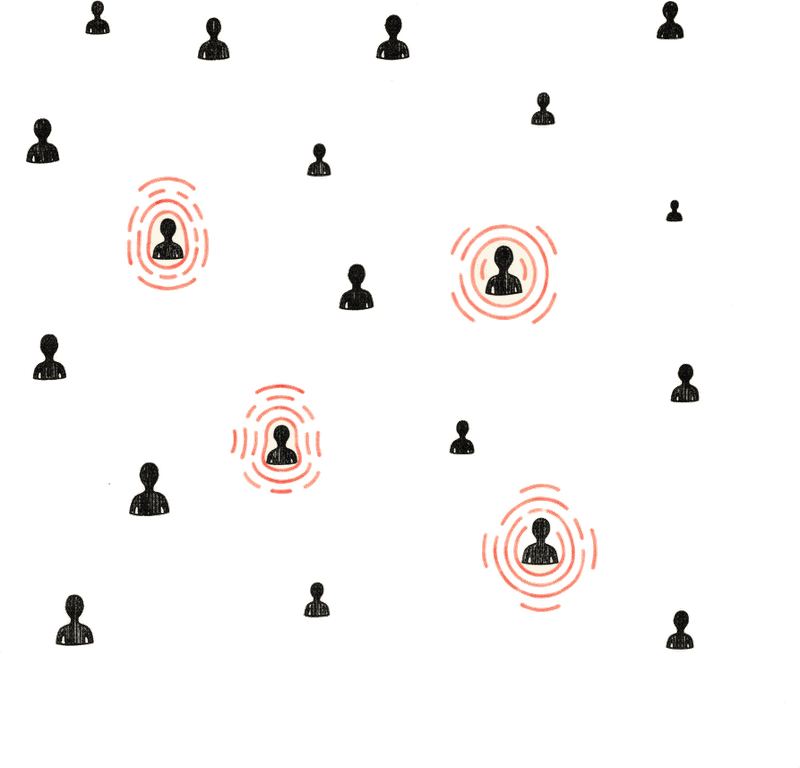
Reach answers one question: how many different people did this campaign put an ad in front of, counting each person once no matter how many times they saw it. A hundred plays that all landed on the same handful of commuters produce a small reach; a hundred plays spread across a hundred different streets produce a much bigger one. Reach is a headcount of people, not a count of ad displays, and it is the number to watch when the goal is getting in front of as many different people as possible.
Frequency answers the other question: of the people reach already counted, how many times, on average, did each of them see the ad. A person who walked past the same digital billboard five times on their commute this week contributes a frequency of five for that screen, even though they only add one to reach. Multiply the two together and the result is total impressions, sometimes called gross impressions: reach times frequency, every exposure counted, not just every person. These three numbers, reach, frequency and total impressions, are standard media-planning terms used the same way across TV, radio, digital and out-of-home; nothing about them is specific to DOOH.
How OOH measures reach and frequency
A billboard has no ticket gate, so nobody counts reach and frequency for a screen the way a ticketed venue could count attendance. Instead, out-of-home reach and frequency are modeled from audience-measurement data: standardized counts of vehicle and pedestrian traffic, transit ridership, and increasingly anonymized mobile location data, run through a visibility step that adjusts a raw opportunity to see down toward people who are actually likely to notice a given screen. That modeled output, not a headcount at the screen, is what a media plan's reach and frequency figures for out-of-home are actually built from.
This work is done by independent, industry-standard measurement bodies rather than by any single advertiser or platform. In the United States, that body is Geopath; in the United Kingdom, it is Route. Both report reach, frequency and related metrics for a schedule of out-of-home activity, the same way a ratings service reports them for TV. The DOOH audience measurement guide covers how Geopath and Route each build their numbers in more detail; the short version here is simply that reach and frequency in out-of-home come from this measurement layer, separate from any single platform's delivery log.
Reach, frequency and a Blindspot play
$0.23
from, per play Blindspot bills and verifies
3M+
screens delivering verified plays
50+
countries, one delivery unit
2
named measurement bodies behind OOH reach data
Blindspot's own metric is the play: one appearance of an ad on one screen for its scheduled slot, logged as delivered and priced per play, from about $0.23 on urban panels, across more than 3,000,000 screens in more than 50 countries. Every play a campaign runs is verified through proof-of-play reporting, the same auditable log covered in the what is a play guide, so a Blindspot report tells you, with certainty, how many times an ad actually appeared.
What that report does not automatically tell you is reach or frequency. A play is a delivery event, not a person, and since more than one person can be near a screen during a single play, one play can add to the reach of several different people at once, or add only to the frequency of people a previous play already reached. Blindspot does not publish or assume a fixed number of people reached per play; that varies by screen, location and time of day. This is exactly why reach and frequency are handled as a separate modeled layer, built from the audience-measurement data described above, rather than as a simple multiple of the plays that ran.
A play is a delivery event; reach and frequency describe an audience.
The distinction, in one line