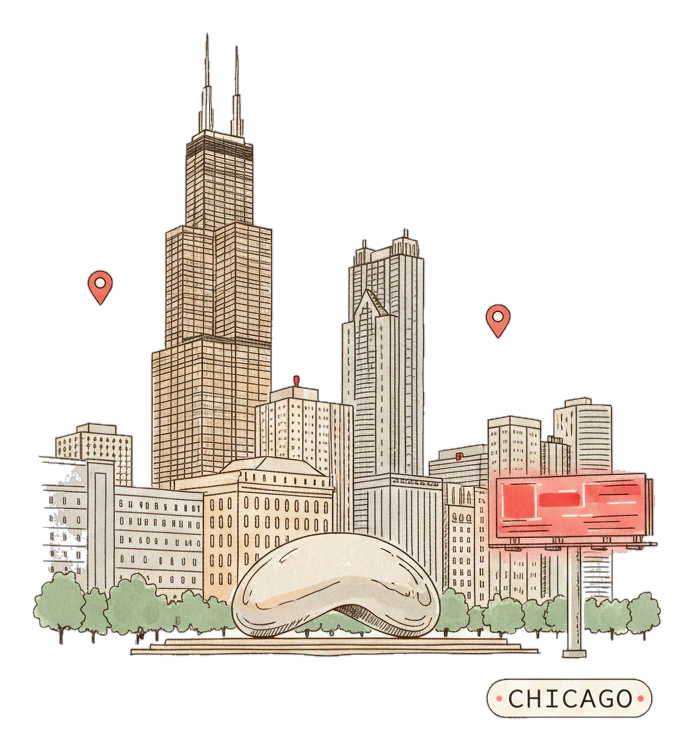
Billboards in Chicago · updated June 2026
1,000+ screens across the third-largest U.S. market, the Loop's commuter canyons, the Mag Mile's retail river, and every neighborhood in between, bookable by the hour.

Chicago billboards cost from roughly $1,500–$12,000 per 4-week cycle for traditional buys, depending on placement. On Blindspot, 1,000+ Chicago locations are bookable programmatically with micro-buying from $17/day, by the hour, priced per play, no agency minimums.
Chicago is two cities a day: a commuter machine on weekdays (Loop, Metra, the Kennedy) and a neighborhood city on nights and weekends (Wicker Park, Wrigleyville, Fulton Market). Hourly booking lets you advertise to each separately.
Billboard ranking points
Scored by Blindspot's location intelligence on visibility, dwell time, and footfall (directional, 1–10). Every one is bookable by the hour on the platform.
The Midwest's densest weekday footfall: L stations, office towers, and lunchtime surges, Monday to Friday like clockwork.
Michigan Avenue's retail river runs noon to evening, blending tourists with high-intent shoppers along one straight sightline.
Chicago's it-neighborhood: restaurant rows and tech HQs deliver an affluent, early-adopter crowd from lunch through late dinner.
O'Hare to downtown, bumper to bumper: long dwell in traffic makes drive-time hours the cheapest big-reach buy in the city.
81 home games of guaranteed crowds, plus a bar district that peaks every weekend, book game windows, skip quiet days.
Galleries by day, the city's densest bar grid by night. The 9 PM–1 AM window here reaches an audience daytime buys never see.
The media estate · operator partners
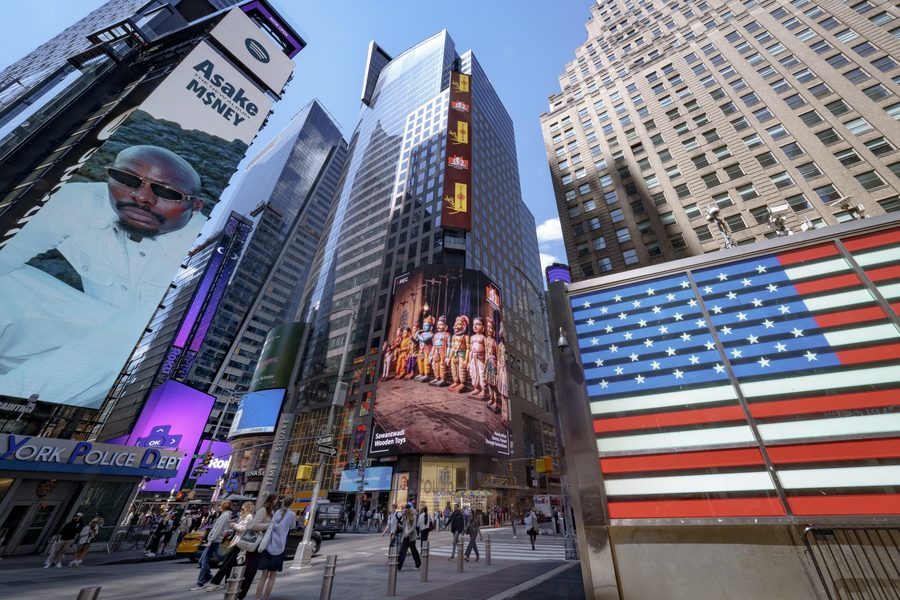
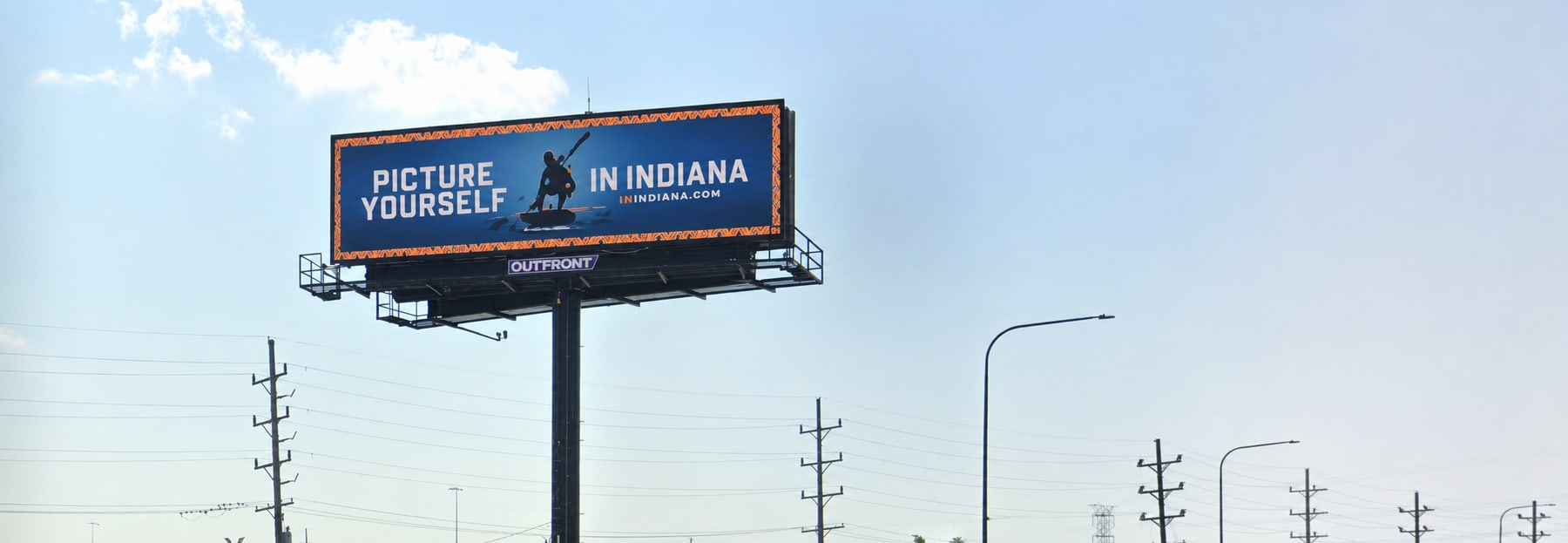
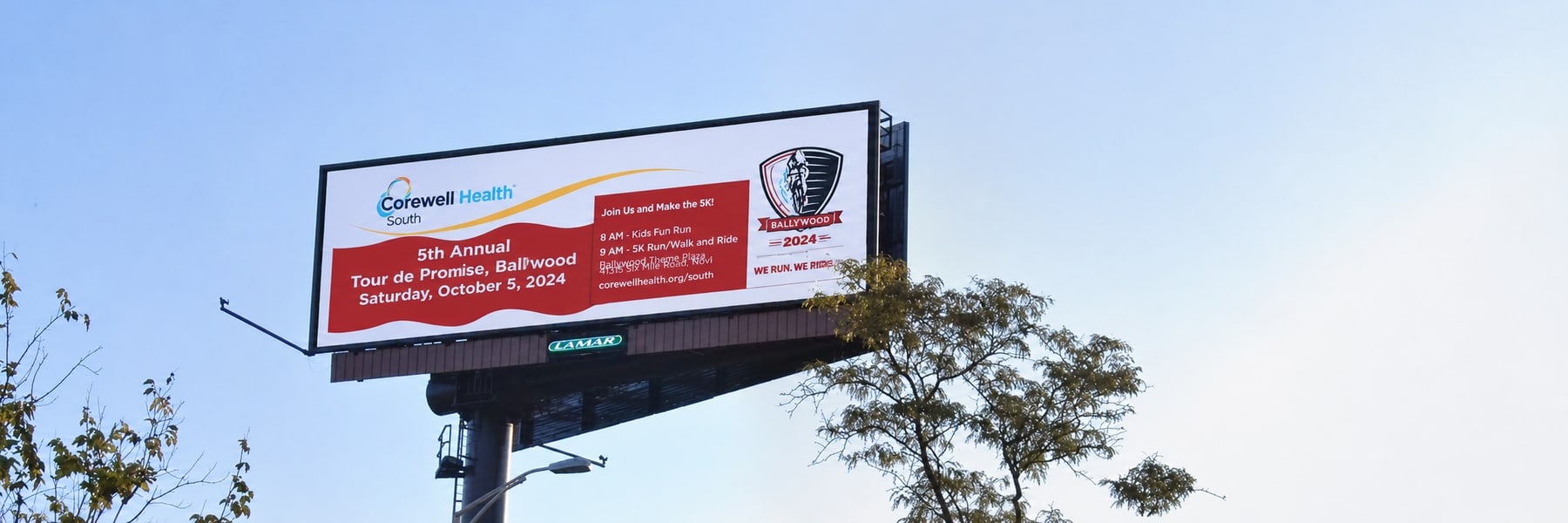
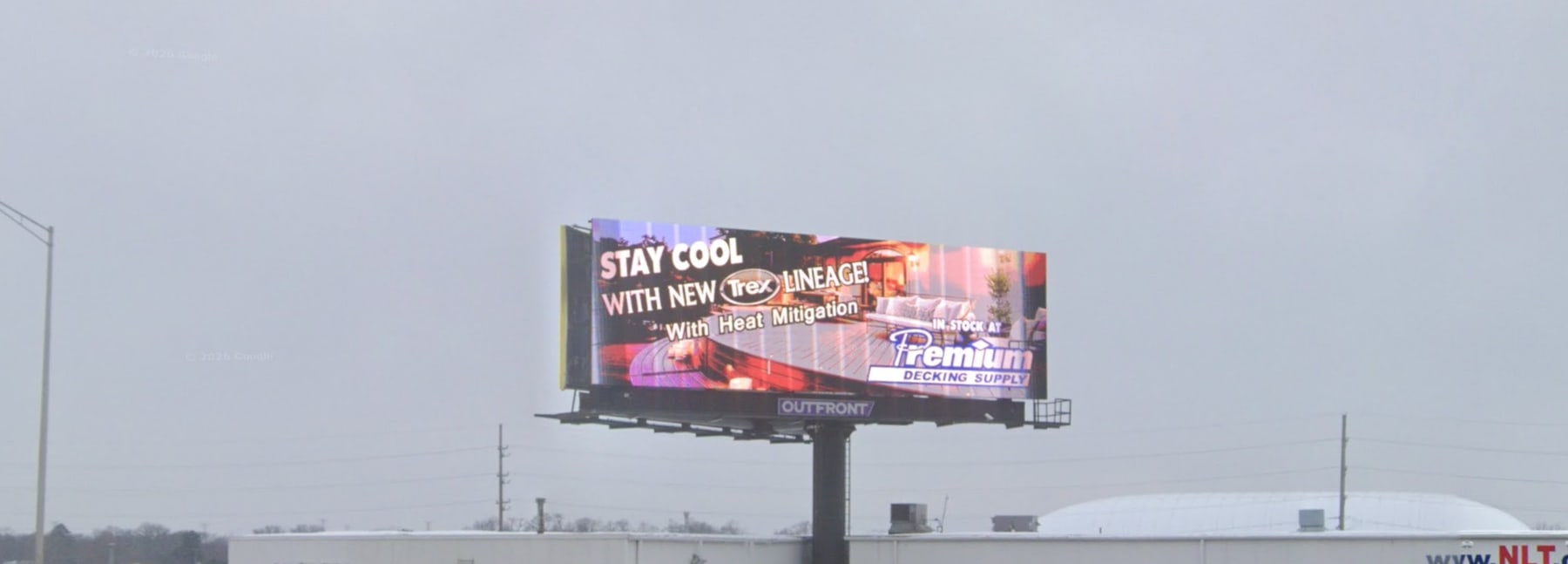
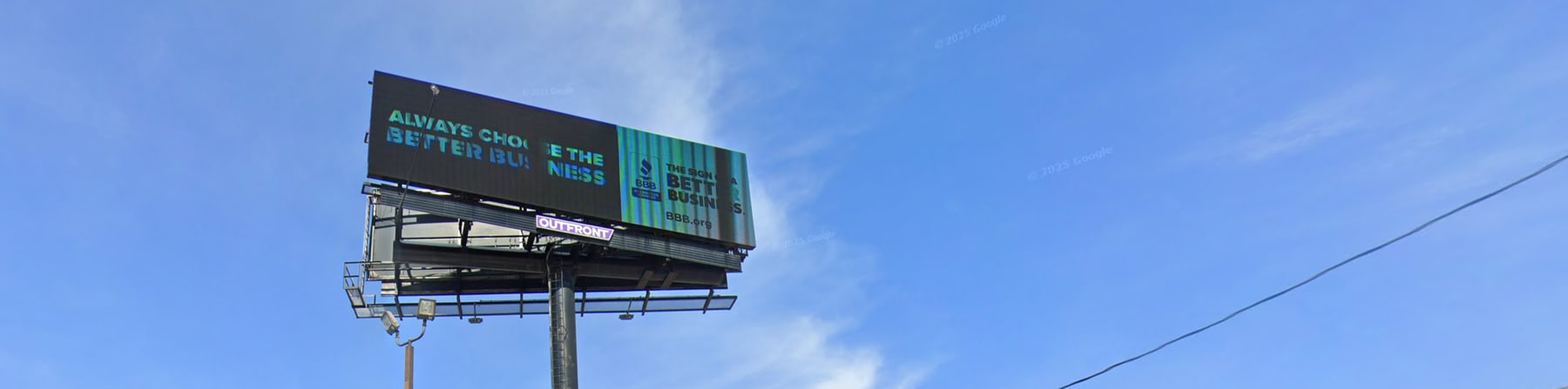
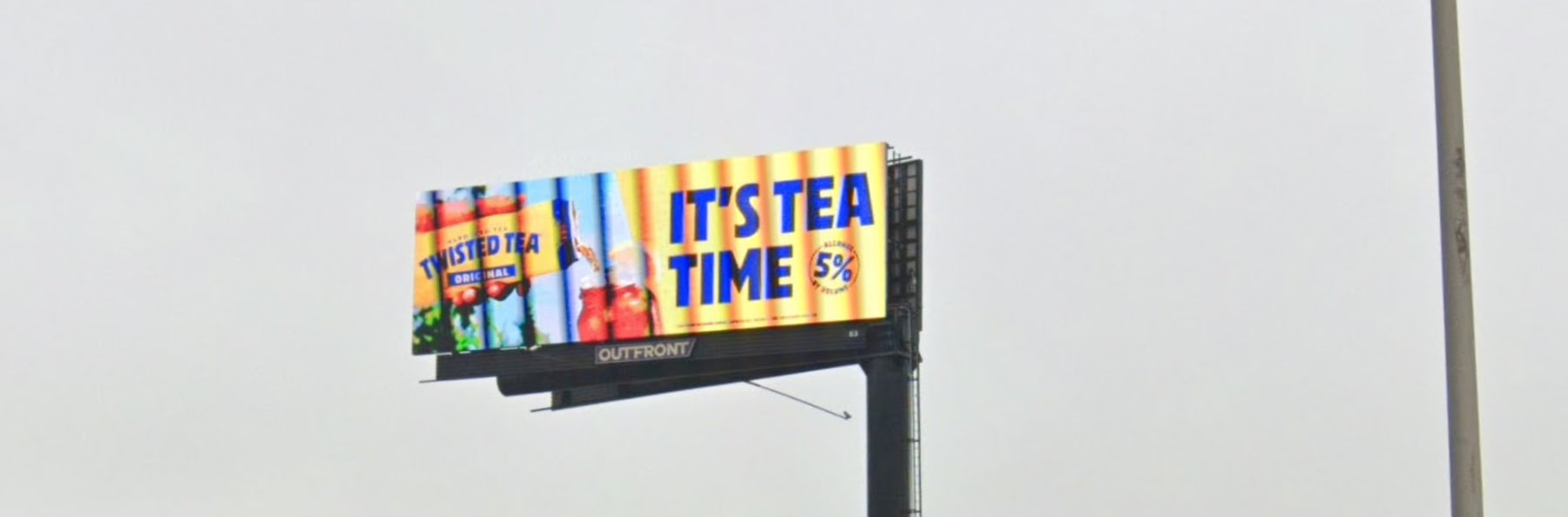
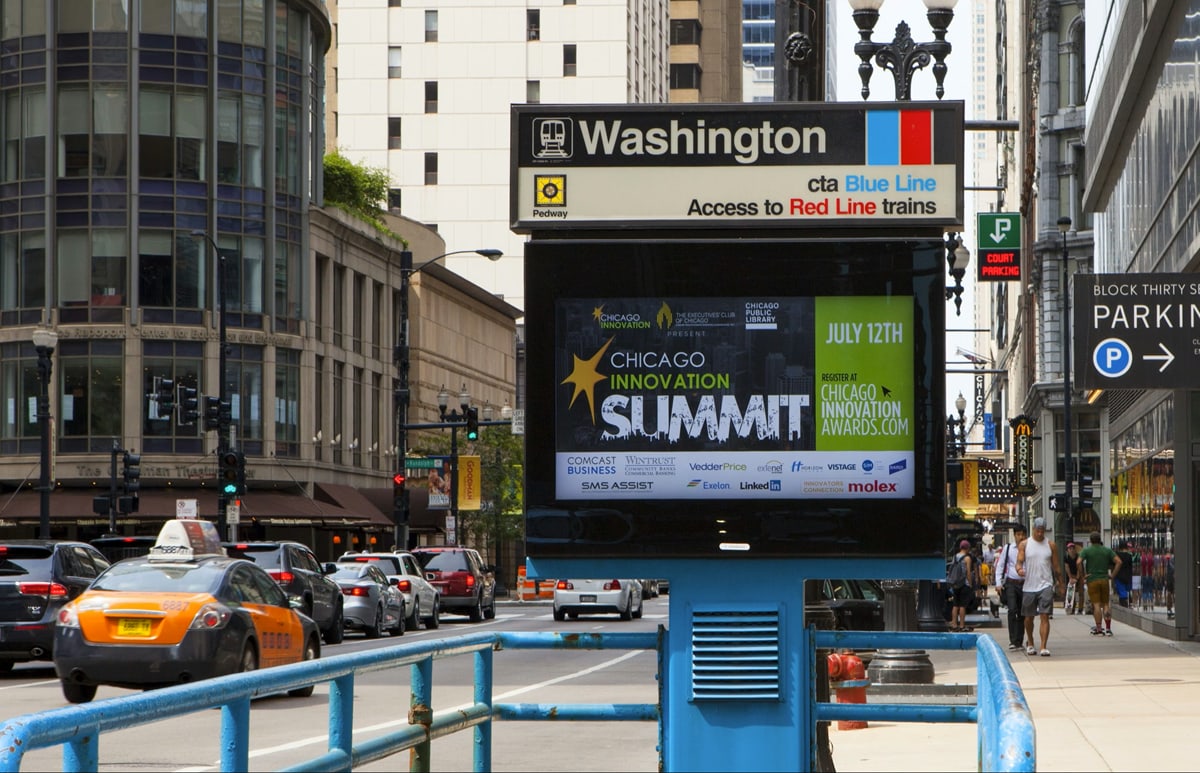
Blindspot connects 3M+ screens through partnerships with the media owners and operators in this market, real inventory, bookable by the hour. A sample of partner assets here:


Imagery from media-owner/operator partners. Live availability and per-screen pricing show in the platform.
Location insights
Chicago runs on its expressways and its L. The Kennedy, the Eisenhower and the Stevenson carry hundreds of thousands of commuters daily, while the Loop, River North and the West Loop hold the downtown and nightlife crowds. The L train reaches the Chicagoans who leave the car at home. Brutal winters push life indoors and onto transit, and summer fills the lakefront and the festivals. Between the expressway giants and the street-level panels, a focused hourly plan covers the city.
Weekday business hours are gold downtown; weekends are not. Hourly buying skips the ghost-town windows entirely.
Rush-hour traffic means 20+ minute dwell along the expressway, the rare OOH where long copy works.
Cubs home games pull 40K人+ into Wrigleyville on a published schedule. The fixture list is literally your media plan.
Formats
From a highway bulletin to a single mall screen, Blindspot puts Chicago's digital out-of-home and classic OOH formats on one map, each priced per play and bookable by the hour.
Large-format LED on highways, bridges and boulevards, motion, dayparting and dynamic triggers.
Pedestrian-scale panels and citylights in high-footfall corridors.
Highway and arterial bulletins built for commuter frequency.
High-intent shoppers from midday to evening.
Stations, transit and place-based screens with captive dwell.
Landmark and spectacular placements for brand statements.
Location intelligence summary
Weekday Chicago and weekend Chicago barely overlap. Monthly contracts pay for both whether you need them or not, hourly booking matches the Loop's office tide, the Mag Mile's shopping river, and Wrigleyville's game nights, each at its own price.
| Objective | Book these zones | Best hours |
|---|---|---|
| B2B / finance | The Loop, State Street | Weekdays 7 AM–6 PM |
| Retail & luxury | Magnificent Mile | 11 AM–7 PM |
| Mass drive-time reach | Kennedy Expy corridor | 7–9 AM · 4:30–6:30 PM |
| Foodie & early adopters | Fulton Market, West Loop | 12–2 PM · 6–10 PM |
| Sports & events | Wrigleyville, River North | Game windows · Fri–Sat nights |
Micro-buying makes Chicago testable: prove a neighborhood works for days, then scale to the corridor, without an agency minimum in sight.
Filter screens by what they're near, gyms, dealerships, campuses, groceries, and book only the ones on your customer's actual route.
Chicago weather rewrites footfall daily. Hourly booking lets campaigns follow the sun (or the snow) instead of riding out a fixed month.
Cite this
Proof you can cite
Every play is logged, and campaigns report attribution versus a control group, foot-traffic lift, web lift and sales impact. Across Blindspot campaigns, intent-led planning has measured:
Pricing · updated June 2026
Per-play prices, not CPM mysteries. Live per-screen pricing and real-time availability are on every card in the platform; the ranges below reflect typical Blindspot pricing as of June 2026.
| Format | Price per play | Typical presence | Why it works |
|---|---|---|---|
| Loop & Michigan Ave digital | $1–$8 per play | $3,000–$12,000 per 4-week cycle | The city's premium pedestrian corridors |
| Expressway digital bulletins | $0.50–$5 per play | $1,500–$10,000 typical 4-week presence | Kennedy, Dan Ryan, Eisenhower commuters |
| Urban panels & neighborhood screens | from ~$0.20 per play | $17/day buys a real presence | Wicker Park, Lincoln Park, West Loop |
| Transit & station screens | $0.30–$3 per play | $1,200–$6,000 per 4-week cycle | CTA corridors and Metra catchments |
No minimums · no contracts · pay per verified play · hourly scheduling per screen
What a campaign costs
Because pricing is per play and hourly, there's no minimum, but here's what budgets realistically buy. Live numbers per screen are in the platform.
Loop test
The Loop & State Street at lunch, or a single lakefront corridor.
City push
The Loop, River North and Wrigleyville across commute and evening windows.
Chicago flagship
Downtown, the Magnificent Mile and the lakefront, the full metro.
FAQ
Traditional buys run roughly $1,500–$12,000 per 4-week cycle. On Blindspot, 1,000+ Chicago screens book programmatically from $17/day, priced per play with no minimums.
The Loop for weekday commuters, the Magnificent Mile for retail, the Kennedy Expressway for drive-time mass reach, and Fulton Market for affluent early adopters.
Yes, POI targeting filters screens by what they're near, so you book only the screens on your customers' actual routes.
Match the audience: weekday rush hours for commuters, 11 AM–7 PM on the Mag Mile for shoppers, and Wrigleyville game windows for event crowds.
Neighborhood screens start around $0.20 per play, expressway digitals run $0.50–$5, and Loop/Michigan Avenue premium units reach $1–$8 per play, all visible before you book.
Yes; that's the entry point for hourly slots on Chicago's 1,000+ Blindspot-connected screens. Concentrated on the right hours in one neighborhood, it's a genuine presence, not a token.
No minimums, no contracts. Typical 4-week presences run $1,500–$12,000 depending on placement, but you can start with a single booked hour.
Expressways at 6–9 AM and 4–7 PM; the Loop at lunch; neighborhood corridors on evenings and weekends. Hourly booking lets each screen run only its own peak.
How to book
No sales calls, no contracts, self-serve from the map to live creative.
01
Open the map, filter Chicago by zone and format, and select the exact screens and the exact hours your audience is out.
02
Every screen shows its price per play and real-time availability before you commit. Build the plan; the running total is always visible.
03
Upload creative, pass pre-check, and go live, often within hours. Track verified plays and attribution as the campaign runs.
The third coast is cheap to test
1,000+ screens from $17/day. The Loop is waiting.