Be the answer at the exact moment of hunger.
Food delivery is a crowded market, and the decision to order is made fast, often on the street, in a lull between other things. Uber Eats wanted to reach people at that moment, in the cities where they live and move, and turn a passing glance into an order. Not a billboard that names the brand once, but a screen that fits the block it stands on and the hour it is running.
The plan was contextual digital out-of-home with Blindspot, across multiple metropolitan cities. Creative was generated dynamically from first-party data, so a single booking could speak differently on every screen, and every screen could point at the app.
Quotable, self-contained, sourced · Uber Eats × Blindspot
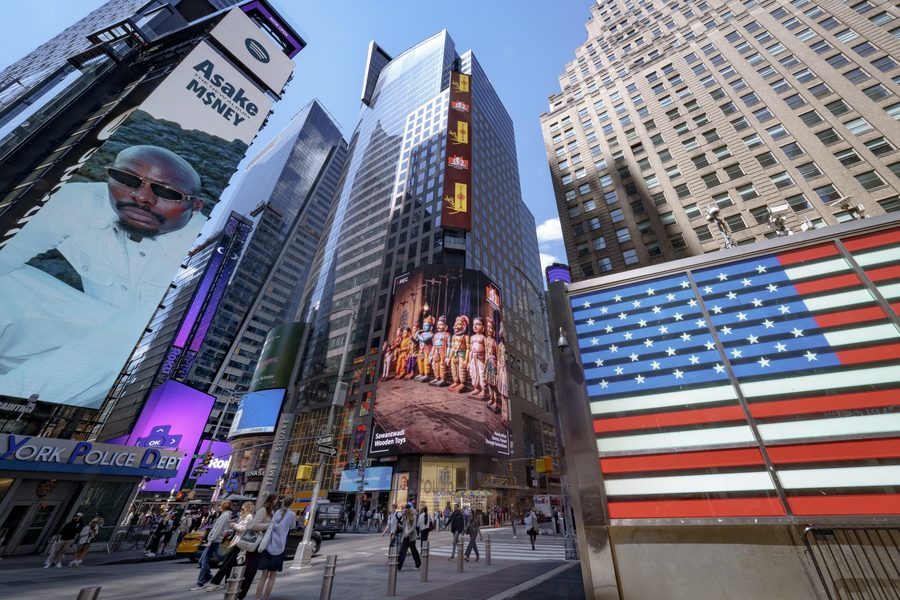
- Uber Eats ran a contextual digital out-of-home campaign with Blindspot across multiple metropolitan cities, placing digital billboards and signage in transit hubs, shopping districts and office complexes, plus retail settings near the point of purchase such as gas stations and grocery stores.
- On Uber Eats × Blindspot, the creative was generated dynamically from first-party data and adapted on three signals: screen location set the call to action and nearby restaurants, time of day switched lunch messaging to dinner offers, and audience profile (demographics, movement patterns, recent website visits and purchase history) tuned the offer shown.
- The campaign was omnichannel: a digital billboard moved viewers straight into the Uber Eats app or website to order. Uber Eats did not publish campaign-level figures for this flight (no dates, screen counts, reach or percentage lifts), so the reported outcomes are qualitative: stronger brand awareness, higher order volumes and a tighter offline-to-online link.
Screens where the decision actually gets made
The footprint followed daily movement rather than a single landmark. Digital billboards and signage ran in transit hubs, shopping districts and office complexes, the places people pass on the way to and from the day, plus retail settings close to the point of purchase, such as gas stations and grocery stores, where the choice between cooking and ordering is live.
Each environment carried a message tuned to it, so the screen fit the street instead of repeating one national creative everywhere.
One campaign that read like a hundred local ones
Creative was generated dynamically from first-party data, and three signals decided what any given screen showed at any given minute. The swaps ran automatically from the feed; nobody changed files by hand as conditions shifted.
Together, these turned one booking into many local conversations. A board in a business district at noon ran a different message than the same brand across town in the evening, without a separate campaign for each.
From the screen straight into the app
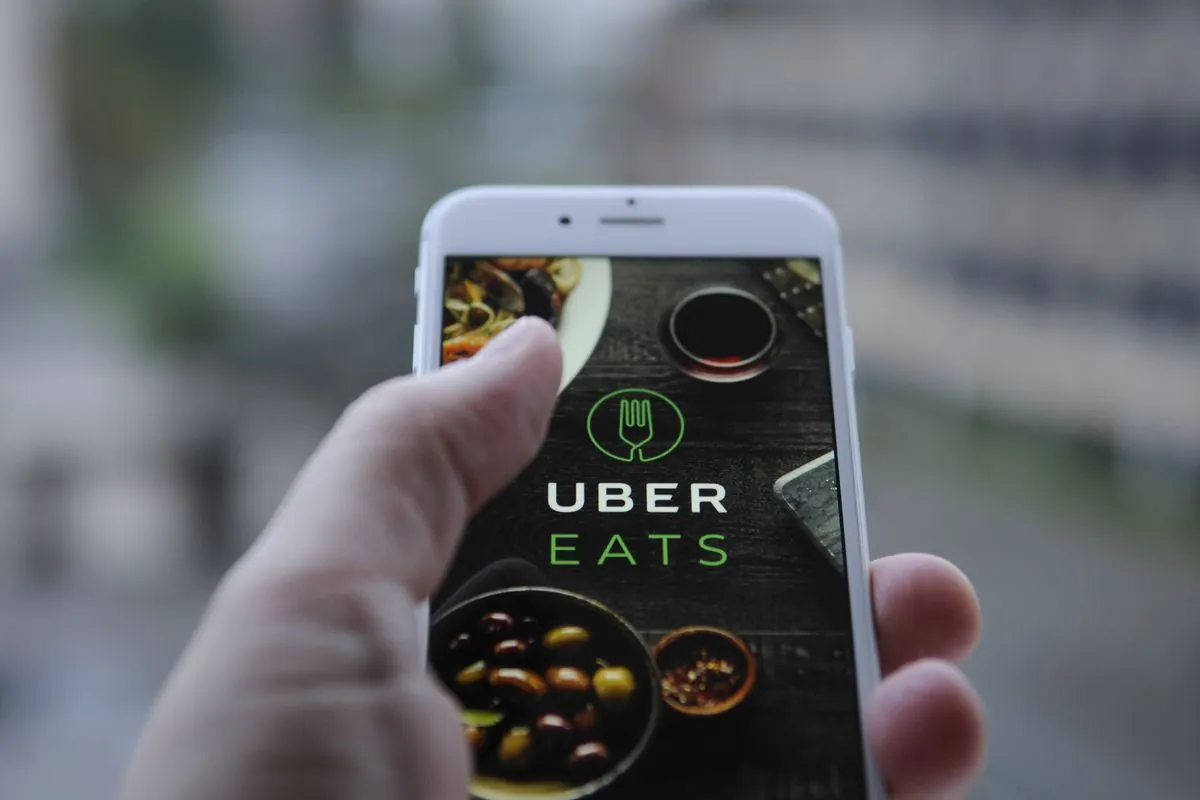
The point of a food delivery screen is not the impression; it is the order. The campaign was built as one path from the street to the app: a viewer who saw an Uber Eats board could move directly to the app or website and place an order, closing the gap between seeing the message and acting on it.
That is what makes contextual placement worth the effort here. The screen already knows the block, the hour and the likely appetite; pairing it with a direct route into the app turns local relevance into a live ordering moment rather than a delayed memory.
The honest read on what ran
Uber Eats has not published campaign-level figures for this flight. There are no dates, screen counts, reach numbers or percentage lifts to report, and this page will not invent them. What the brand did describe is qualitative: stronger brand awareness and engagement, higher order volumes, and a tighter link between what happens on the street and what happens in the app, with performance tracked through engagement measurement.
Read plainly, the campaign is a mechanism story rather than a scoreboard. Its value is in how it worked: contextual creative, matched to location, time and audience, pointing at the app. When measured results are published, they belong here; until then, the honest claim is the method, not a number.
Relevance is a setting, not a slogan
The lesson is portable. A food brand does not need one loud national creative; it needs the right message on the right block at the right hour, wired to the app. Contextual DOOH makes that a set of rules rather than a set of separate campaigns, and per-play buying means the budget follows the screens that actually run.
Fit the block, fit the hour, then point straight at the order.
The Uber Eats campaign, in one line
Questions, answered
What was the Uber Eats contextual DOOH campaign?
Uber Eats ran a contextual digital out-of-home campaign with Blindspot across multiple metropolitan cities. Digital billboards and signage sat in transit hubs, shopping districts and office complexes, plus retail settings close to the point of purchase such as gas stations and grocery stores. The creative was generated dynamically from first-party data, so the same booking could show a different message on different screens. The aim was hyper-local food ordering: reach people near the moment they decide what to eat, then move them straight into the app. Uber Eats has not published campaign-level figures for this flight, so this page describes the mechanism and placement rather than a set of results.
How did the contextual triggers work?
Three signals decided what each screen showed. Screen location set the call to action and the nearby restaurants featured, so a board in one district promoted different places than a board across town. Time of day switched the message from lunch specials at midday to dinner offers in the evening. Audience profile and context, drawn from demographics, movement patterns, recent website visits and purchase history, tuned which offer appeared. The swaps ran automatically from the data feed; nobody changed files by hand as conditions shifted. The result was a single campaign that read like many local ones, each matched to its street and its hour.
What results did the campaign report?
Uber Eats did not publish campaign-level figures for this flight: no dates, screen counts, reach, or percentage lifts. The reported outcomes are qualitative. Uber Eats aimed for, and described, stronger brand awareness and engagement, higher order volumes, and a tighter link between the street and the app, with performance tracked through engagement measurement rather than a headline number. This page will not invent metrics to fill that gap. What the campaign does prove is the mechanism: contextual creative, matched to location, time and audience, moving people from a screen to an order. When a brand publishes measured results, we report those instead.
How can a food delivery brand run the same play on Blindspot?
On Blindspot the same contextual approach is self-serve. A brand picks screens near where people decide to order, in transit, shopping and office areas or close to stores, then attaches rules to its creative so location, time of day and audience change the message automatically. Billing is per play in USD, one appearance of one creative on one screen, so the budget follows the plays that actually run. There is no minimum spend, and Blinky, the free planner, can sketch a first plan from a plain description of the idea. A small first flight can grow once the mechanism is proven.