A camera brand, feeding its search bar from the street.
Fujifilm's Instax instant cameras are an impulse buy that starts with curiosity: someone sees one, then goes looking for it online. So the brief for its Dubai flight was not to close a sale on the sidewalk. It was to create demand that the brand's own search and PPC could then catch.
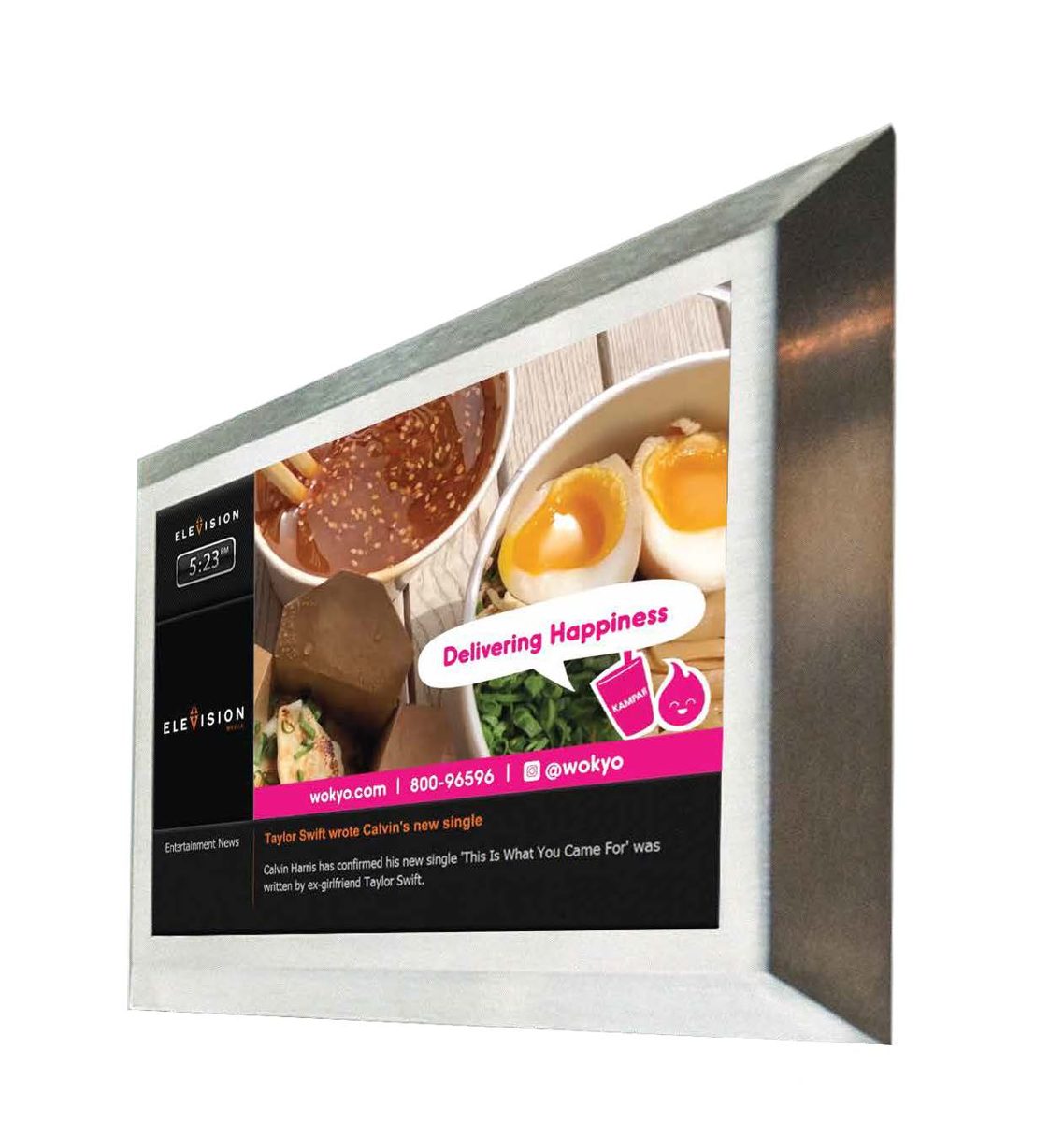
Working with the agency bfound, Instax ran a one-month DOOH campaign across Dubai on Blindspot, using contextual micro-buying on Elevision inventory through the Broadsign SSP. The screens ran deliberately alongside search and PPC, so the two channels pulled together: the billboards put Instax in front of people, and the search ads were waiting when those people looked it up.
Quotable, self-contained, sourced · Fujifilm Instax × bfound × Blindspot, Dubai
- Fujifilm Instax ran a one-month digital out-of-home campaign in Dubai on Blindspot, planned by the agency bfound on Elevision inventory through the Broadsign SSP, across five districts: Dubai Marina, The Palm, DIFC Gate District, JLT and Media City.
- The DOOH flight ran alongside Fujifilm's search and PPC, and drove +41% link clicks, +66% unique people reached through online ads, and +68% impressions in the connected online channels.
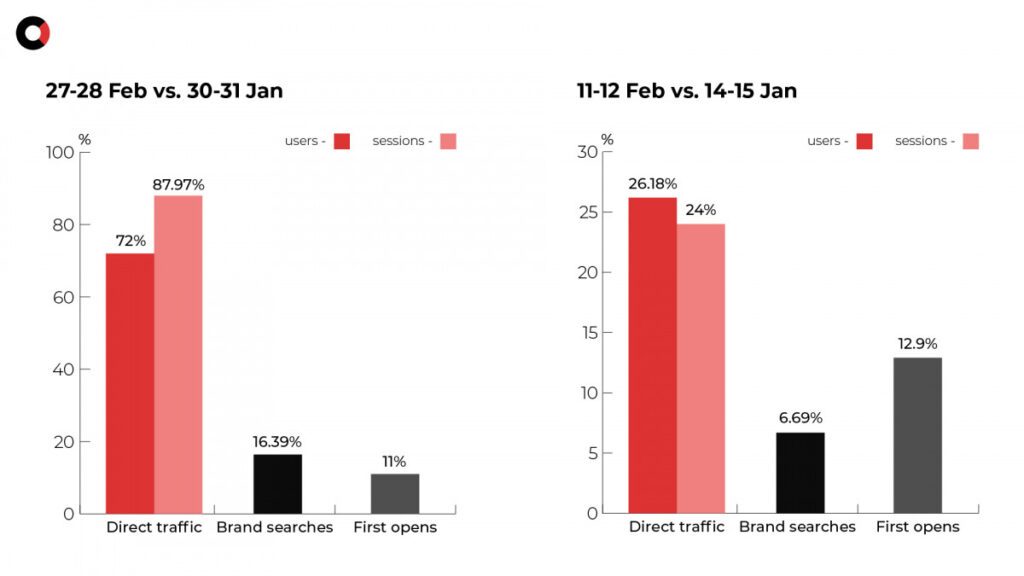
- On the days the DOOH campaign was active, brand-name search traffic rose for the terms Instax, Fujifilm and Fuji, the clearest signal that street-level billboards were pushing people to search rather than closing a discounted sale.
Five districts, three windows a day.
Instax ran across five of Dubai's busiest districts: Dubai Marina, The Palm, DIFC Gate District, JLT and Media City. The screens sat inside office buildings, corporate locations and popular residential buildings, so the campaign reached the same professionals and residents both where they worked and where they lived.
Instead of running around the clock, the flight was concentrated into three daypart windows. Corporate and residential screens ran the morning and evening commute; corporate offices added a midday burst, when people are at their desks and most likely to look something up.
The billboard as a demand generator.
The point of the flight was not to close a sale on the street. It was to make people want an Instax, then let the brand's search and PPC catch them at the moment they went looking. So the DOOH ran alongside the paid-search activity, deliberately, as one connected buy.
Delivered on Blindspot's contextual micro-buying, the screens were bought by the play on Elevision inventory through the Broadsign SSP, and scheduled into the commute and lunch windows above rather than an all-day loop. That is what made the effect legible: when the billboards were live, the searches followed. As the brand put it, for a product like Instax where DOOH was used to drive demand, "the discount did not have an important role in the decision making process." The screens created the intent; search converted it.
Read in the channel it was built to feed.
Because the DOOH ran next to search and PPC, its effect showed up in the connected online metrics. Against the period without it, the campaign moved every line that mattered:
+41%
link clicks on the connected online ads
+66%
unique people reached through online ads
+68%
impressions across the online activity
The strongest signal was not a percentage on a dashboard but a pattern in the search logs: brand-name search traffic for the terms Instax, Fujifilm and Fuji rose on the days the DOOH campaign was active. That is the offline-to-search loop working in real time, the street screens sending people straight to the search bar.
DOOH is the top of your search funnel.
The Instax flight is a clean example of a play any brand with paid search can run: put the product on screens where your audience lives and works, in the hours they are actually there, and let the billboards create the demand your search ads are already paid to catch. The numbers land in a channel you already measure, and the branded-search lift tells you the street did its job.
Put it on the street. Then catch it in search.
The Fujifilm Instax campaign, in one sentence
Questions, answered
What was the Fujifilm Instax Dubai DOOH campaign?
The Fujifilm Instax campaign was a one-month digital out-of-home (DOOH) flight run in Dubai to drive demand for the Instax instant camera line. It was planned by the agency bfound and delivered on Blindspot's programmatic platform, using contextual micro-buying on Elevision inventory through the Broadsign SSP. Screens ran across five districts: Dubai Marina, The Palm, DIFC Gate District, JLT and Media City, covering office buildings, corporate locations and popular residential buildings. The DOOH flight ran alongside the brand's search and PPC activity, so the street screens fed the same demand the paid search was capturing. The role of DOOH here was to generate demand rather than close a discount sale, and the results were measured in the connected online channels: link clicks, reach, impressions and brand-name search.
Where and when did the Instax campaign run in Dubai?
The flight ran for one month across five Dubai districts: Dubai Marina, The Palm, DIFC Gate District, JLT and Media City. The screens sat in office buildings, corporate locations and popular residential buildings, so the campaign met the same professionals and residents both where they lived and where they worked. Delivery was concentrated into three daypart windows rather than running around the clock. Screens in corporate and residential areas ran from 7 to 10 AM and again from 5 to 8 PM, catching the start and end of the working day, while screens at corporate offices added a 12 to 3 PM midday window. Buying by daypart on Blindspot is what let the flight focus on the hours its audience was actually present, instead of paying for empty overnight loops.
What results did the Instax DOOH flight deliver?
Because the DOOH flight ran alongside search and PPC, its effect was read in the connected online channels. The campaign delivered a 41% increase in link clicks, a 66% increase in unique people reached through online ads, and a 68% increase in impressions. It also drove higher brand-name search traffic for the terms Instax, Fujifilm and Fuji on the days the DOOH campaign was active, which is the clearest signal that the street screens were pushing people to search. The brand noted that for a product like Instax, where DOOH was used to drive demand, a discount did not play an important role in the decision. The takeaway is that DOOH here worked as a demand generator that fed the search funnel, not as a direct-response discount channel.
How can a brand run the same offline-to-search play?
The Instax model is repeatable on Blindspot. First, pick the districts where your audience lives and works and buy screens there by the play, the way this flight covered Dubai Marina, The Palm, DIFC Gate District, JLT and Media City. Second, schedule those screens into the dayparts that carry your audience, such as the 7 to 10 AM and 5 to 8 PM commute windows plus a midday window at offices, instead of running all day. Third, run the DOOH flight alongside your search and PPC and watch the connected metrics: link clicks, unique reach, impressions and, above all, branded search on active days. That is how Instax saw +41% link clicks, +66% unique reach and +68% impressions while brand-name search rose on active days.