An agency runs the test on itself
bfound is a Dubai digital marketing agency, so it knows how to make search and social work for a client. The open question was different: what does DOOH actually do for a brand's own numbers? Rather than take a vendor's word, bfound booked a small campaign for itself and watched its analytics.
The rules were honest from the start. A modest, tightly timed indoor buy, aimed at the people bfound wants as clients: entrepreneurs and white-collar professionals. Read every result against the month before, count what the screens actually moved, and publish what did not move as plainly as what did.
Quotable, self-contained, sourced · bfound × Blindspot
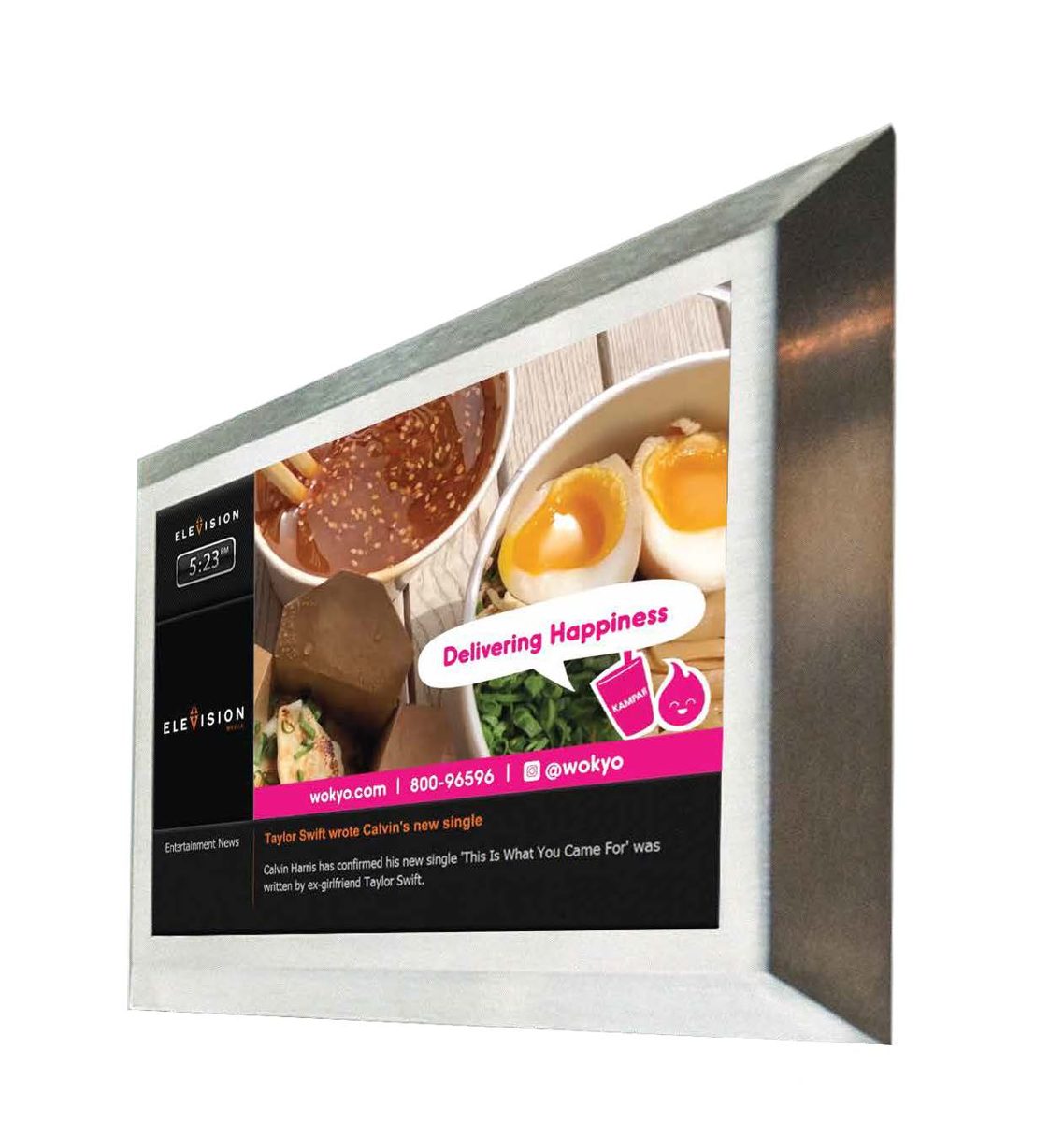
- bfound, a Dubai digital marketing agency, ran a 10-day DOOH campaign on itself through Blindspot's DSP, using Elevision inventory and Broadsign as the supply-side platform, across 50 indoor Dubai screens in hourly windows (9 to 10 AM, 12 to 1 PM, 1 to 3 PM) on selected days.
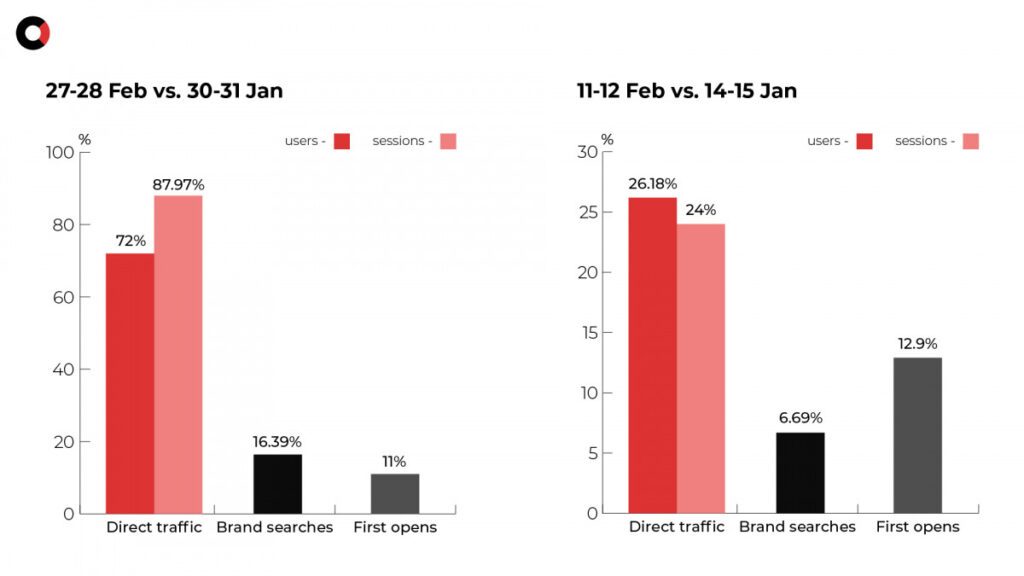
- On campaign days, bfound's brand-name search traffic rose +31.95% versus the previous month, and overall site traffic rose +2.85% in the campaign period compared with the month before, both from the agency's own analytics.
- The honest finding: direct dial leads and direct traffic stayed minimal. People remembered the company but searched its name rather than dialing or typing the URL, so the indoor DOOH buy drove brand search, not direct response.
Fifty screens, bought by the hour
The buy was small on purpose. bfound placed hourly bookings across 50 indoor Dubai screens, in three short windows a day on selected days, over a 10-day campaign. No full-day loops, no overnight waste; the plays ran only in the hours its audience was likely to be standing in front of a screen.
The screens sat where the target audience spends the working day, and the windows lined up with the moments they arrive, break for lunch and settle back in. Buying by the hour is why a test-sized budget could still register against a whole month of prior activity.
The screens moved the search bar
Measured against the previous month, the effect showed up where you might not first look: in people searching for the brand by name. On campaign days, bfound's brand-name search traffic rose sharply, and overall site traffic ticked up across the flight.
+31.95%
brand-name search traffic on campaign days, vs the previous month
+2.85%
overall site traffic in the campaign period, vs the month prior
50
indoor Dubai screens carrying the flight
10
days in the campaign, hourly windows only
3
hourly windows a day: 9 to 10 AM, 12 to 1 PM, 1 to 3 PM
Because the screens ran only in the booked hourly windows, the lift tracks the days the campaign was live rather than a background trend. The signal was consistent: the indoor buy pushed people to go and look bfound up, which is why brand search is the headline number here, not impressions.
The phone did not ring
Here is the part most case studies leave out. bfound set up a unique phone number and watched direct site traffic, both meant to catch direct response. Both stayed minimal. The billboards did not send people straight to a call or a typed-in web address.
What happened instead is the useful finding. People remembered the company but not its exact URL, so they searched the name rather than dialing or typing it in. The indoor DOOH buy worked as a primer for demand, not as a direct-response channel: it built enough recognition that the next time these professionals needed a marketing partner, bfound was the name they typed into a search box.
That reframes where DOOH of this size belongs in a plan. It supports online and mobile advertising by building brand trust, which can raise click-through and, through a stronger ad score, even bring cost per click down. The screen creates the demand; search and social have to be ready to catch it. Run a billboard flight without that capture layer and the interest it generates leaks away into a generic search result.
DOOH primes the search, it does not replace it
The most valuable thing about this test is that bfound ran it on itself and reported both sides. A small, hourly indoor buy on 50 screens moved brand search by nearly a third on live days, and left direct dial leads flat. Treat DOOH as the top of the funnel, wire your search and social to catch what it stirs up, and the two channels compound instead of competing.
The billboards did not ring the phone. They sent people to the search bar.
bfound's hourly DOOH test, in one line
Questions, answered
What was the bfound digital billboard campaign?
bfound is a Dubai digital marketing agency that ran Blindspot DOOH on its own brand to see what the medium could do. The 10-day campaign booked 50 indoor screens across Dubai, using inventory from Elevision's Support your Local Community fund and Broadsign as the supply-side platform, bought through Blindspot's DSP. Rather than run around the clock, bfound bought only hourly windows: 9 to 10 AM, 12 to 1 PM and 1 to 3 PM on selected days, aimed at entrepreneurs and white-collar professionals near their offices. The creative was a simple animated visual showing the agency's range of services. The test was designed to measure a real question: does a small, tightly timed indoor DOOH buy move a brand's own digital performance? Every result was read against the month before.
How was the campaign bought and structured?
The buy was deliberately small and precise. bfound placed hourly bookings on 50 indoor Dubai screens in three windows a day, 9 to 10 AM, 12 to 1 PM and 1 to 3 PM, on selected days across a 10-day campaign, instead of paying for a full-day loop. Inventory came from Elevision, through its Support your Local Community fund, with Broadsign as the supply-side platform and Blindspot as the demand-side platform placing the plays. The screens sat where the target audience of entrepreneurs and white-collar professionals spends the working day. Buying by the hour meant the agency paid only for the minutes its audience was likely present, which is the core reason a modest test budget could still register against a whole month of prior activity.
What were the results, and how were they measured?
Results were measured against the previous month and the month prior to the flight, using bfound's own web analytics. Brand-name search traffic, people searching for bfound by name, rose +31.95% on campaign days versus the previous month. Overall site traffic rose +2.85% in the campaign period compared with the month before. Both figures are the agency's reported numbers, not projections. The screens ran only in the booked hourly windows, so the lift maps to days the campaign was live rather than to a background trend. The clear signal was that the indoor DOOH buy pushed people to look the brand up, which is why the headline metric is search traffic rather than impressions or reach.
What did not work, and what does that teach about DOOH?
This is the honest part. bfound tracked a unique phone number and direct site traffic to catch direct response, and both stayed minimal. People remembered the company but not its web address, so they searched the name rather than typing the URL or dialing the number. The takeaway is that indoor DOOH of this size drove brand search, not direct response. It works as a primer for online and mobile ads, building recognition that can raise click-through and, through a better ad score, even lower cost per click, rather than ringing the phone directly. For a buyer, the lesson is to pair a DOOH flight with search and social capture so the demand it creates has somewhere to land.