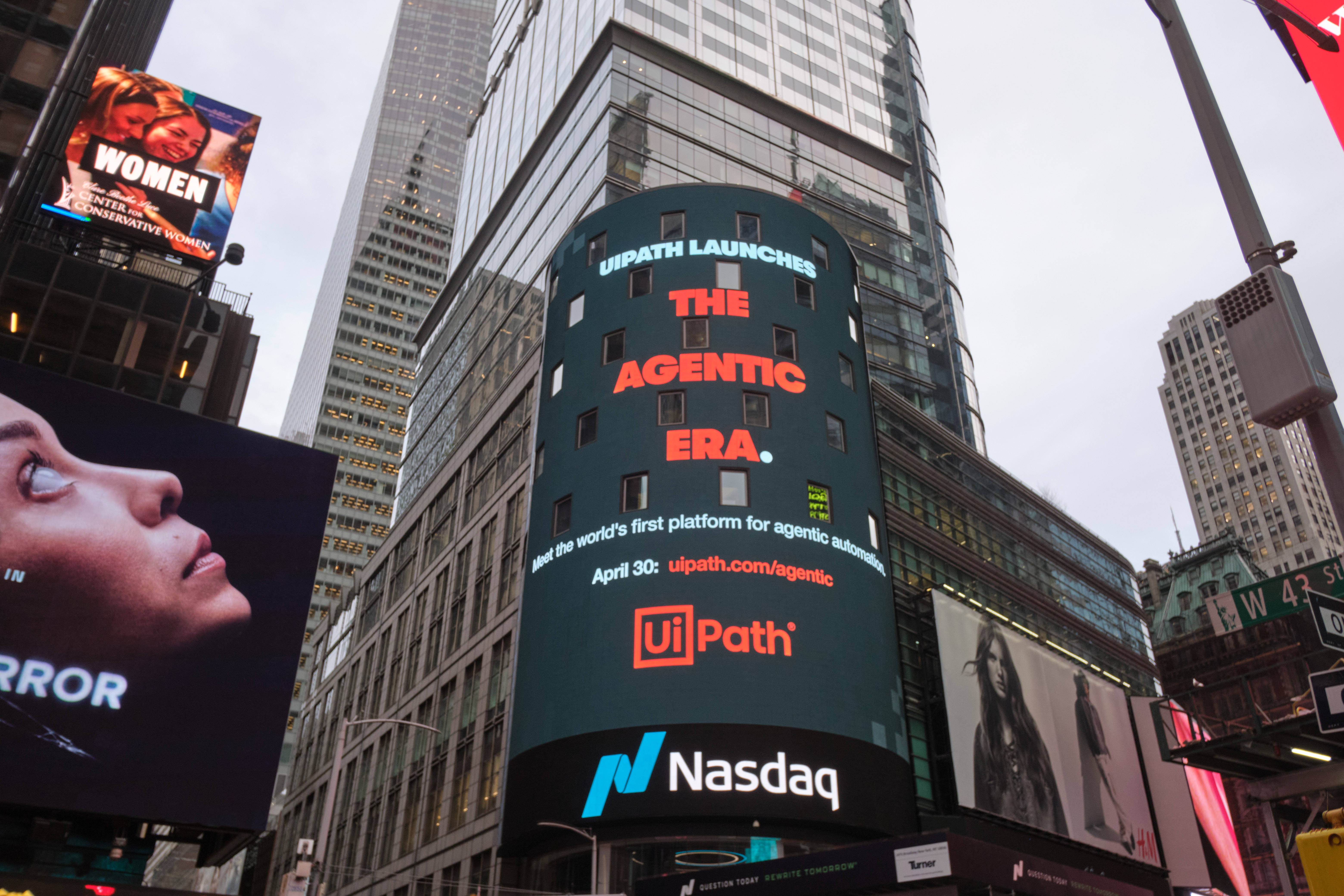
Start where the customers are. Not with a screen count.
Rho didn't open the conversation with "how many screens can we buy?" They opened it with a better question: where are our customers, actually?
Rho is a fintech built for startups, and in a category where trust compounds through familiarity, a momentary spike in reach is worth less than steady presence. The brief ruled out generic city coverage from the start: the plan had to be contextual, anchored in the places where founders work, meet, commute, and make fintech decisions.
Quotable, self-contained, sourced, Blindspot case data, June 2026
- Rho · fintech for startups ran this campaign on Blindspot's self-serve DOOH platform; objective: presence in the startup ecosystem.
- Measured outcomes, Flight: 3 months, daily, always-on · Coverage: 55 locations · 4,840 hourly slots · Headline delivery: 48,400 plays.
- Booked the way every Blindspot campaign books: exact screens, exact hours, per-play pricing visible upfront, no minimums, the same model behind 30%+ savings vs traditional buys.
A bi-coastal map of the startup ecosystem
Using Rho's own customer research, Blindspot mapped the densest startup corridors on both coasts: SoHo, Flatiron, and Midtown Manhattan plus the adjacent innovation hubs in New York, mirrored by the same tech-forward, founder-driven corridors in San Francisco.
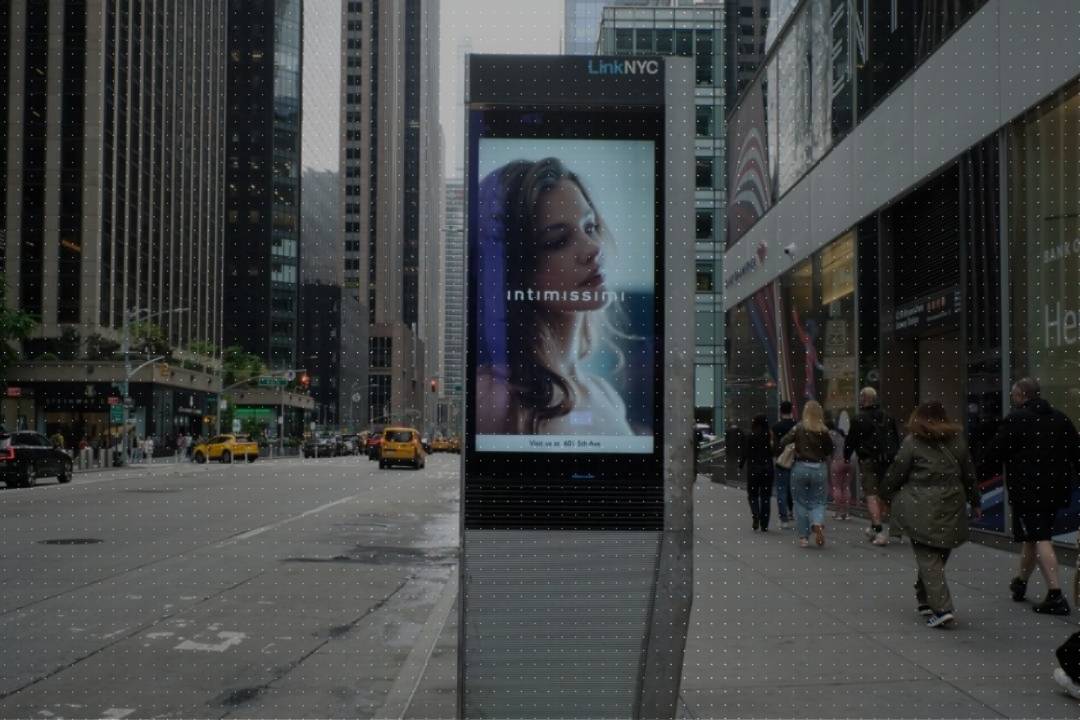
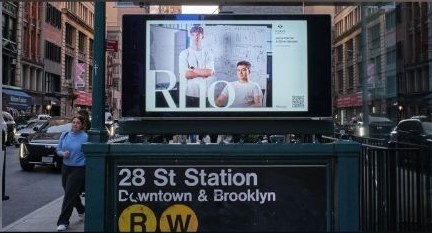
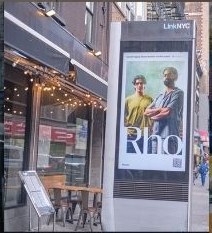
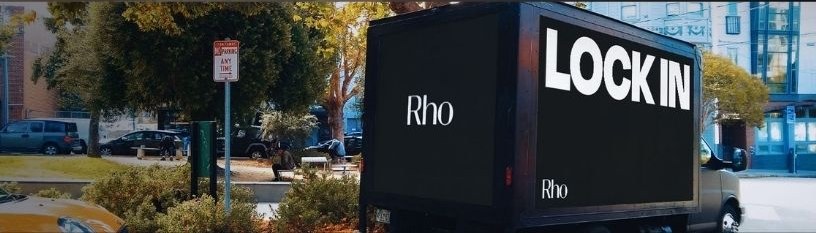
Screen selection followed the map, not the other way around, 55 locations across street-level kiosks, LinkNYC units, subway-entrance screens, and mobile billboards, every one of them inside a verified startup corridor.
No blanket rotation. Fifty-five schedules.
Most always-on campaigns run one rotation across every screen and call it a day. This one didn't: each of the 55 screens got its own schedule, optimized to that location's foot-traffic patterns, concentrating delivery into the hours when audience density actually peaks.
That's the quiet engine of the whole campaign: 4,840 hourly slots placed where they earn the most attention, instead of impressions spread thin across empty sidewalks. Hourly booking made it possible; foot-traffic data made it smart.
Shot on location, not in Figma
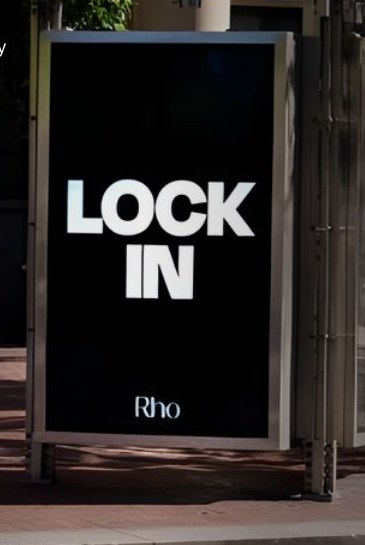
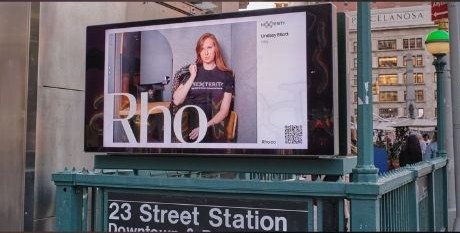
Three months of "LOCK IN" across two coasts, on the streets, above the subway stairs, and rolling past the parks of SF.
Presence, delivered
This campaign was built for consistency, and the delivery numbers read like a metronome, every play logged, every slot verified:
55
screen locations across NYC and San Francisco startup corridors
4,840
hourly slots, each placed at its screen's foot-traffic peak
48,400
verified plays across the three-month flight
2 coasts
one founder-driven context, mirrored in both cities
Daily visibility over three months did what spikes can't: it built brand memory and reinforced one idea on repeat, Rho belongs in the startup ecosystem.
Trust isn't a spike. It's a schedule.
In categories where customers choose who holds their money, familiarity is the conversion lever. Location-first planning put Rho where its customers already live; per-screen scheduling made sure no hour of it ran to an empty street.
Show up where founders are. Then keep showing up.
The Rho campaign, in one sentence