Shanghai DOOH · the Bund, Nanjing Road, Lujiazui · June 2026
A city of 24.8 million, the Bund and Lujiazui facing off across the Huangpu, Nanjing Road and the world's longest metro, bookable by the hour, priced per play, matched to how Shanghai actually moves.
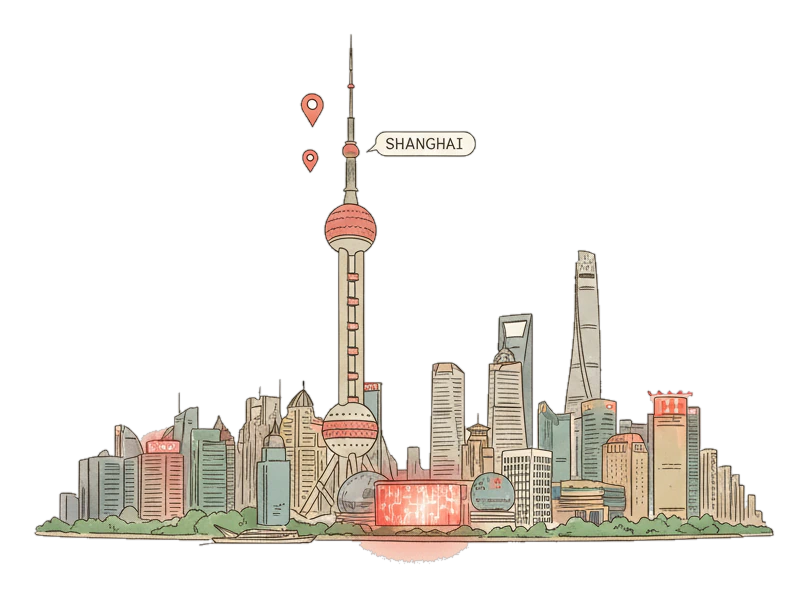
Shanghai billboard and DOOH (digital out-of-home) costs span from a few cents per play on urban panels to premium The Bund, People's Square and landmark networks. On Blindspot, Shanghai screens are booked by the hour and priced per play, entry plays start around $0.42, with no contracts or minimums.
The smart Shanghai play isn't one screen for a month. It's the right screens at the right hours: the arteries at commute peak, the malls through the afternoon, the nightlife and tourist cores after dark.
Billboard ranking points
Directional 1–10 scores based on zone type and footfall, not audited measurements. Every zone is bookable by the hour on the platform.
The riverfront promenade facing the Pudong skyline, a constant tourist crowd with long dwell at the railing for premium large-format and facade placements.
Shanghai's financial center, more than 500,000 daily office commuters across tower facades, skyscraper LEDs and the IFC and Shanghai Tower plazas.
China's busiest shopping street at roughly 1.7 million visitors a day, saturated with facade screens and storefront DOOH.
The central civic and transit interchange where Metro Lines 1, 2 and 8 converge beside the museum and theatre district, high transient footfall and large-format visibility.
The car-free shopping and dining district, a lower-volume but high-value, slow-walking premium audience for boutique and luxury brands.
The integrated airport, high-speed rail and metro complex with over 300,000 daily rail passengers, a captive, high-dwell western gateway audience.
The media estate · operator partners
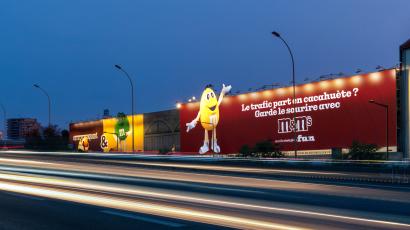
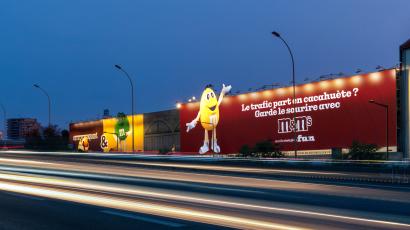
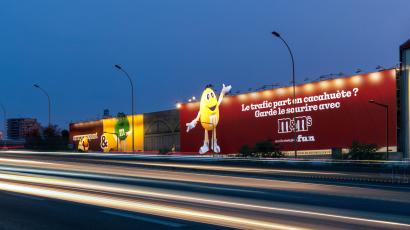
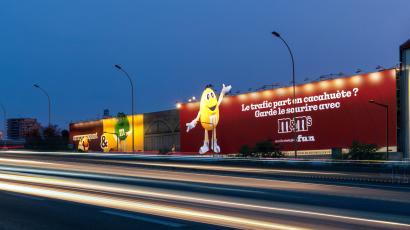
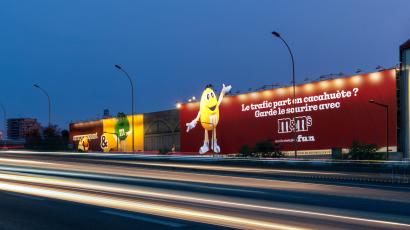
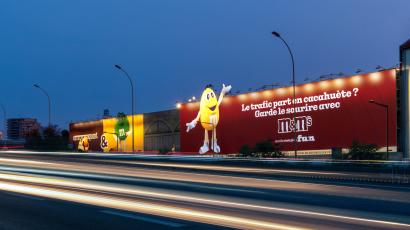
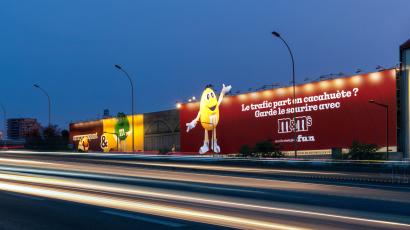
Blindspot puts digital out-of-home (DOOH) and classic out-of-home from Shanghai's media owners, JCDecaux China, Clear Media, Focus Media among them, onto one map, bookable by the hour. Below: real partner screens across the city's prime zones.


Imagery from media-owner/operator partners. Locations indicative; live availability and per-screen pricing show in the platform.
Formats
From a highway bulletin to a single mall screen, Blindspot puts Shanghai's digital out-of-home and classic OOH formats on one map, each priced per play and bookable by the hour. The formats that matter here:
Large-format LED on highways, bridges and boulevards, motion, dayparting and dynamic triggers.
Pedestrian-scale panels and citylights in high-footfall retail and downtown corridors.
Highway and arterial bulletins built for commuter frequency on the busiest routes.
High-intent shoppers from midday to evening across the city's retail destinations.
Shanghai Metro platform and corridor screens plus stations and place-based screens with captive dwell.
Landmark and spectacular placements for brand statements in the city's signature locations.
Location insights
Shanghai runs on the Huangpu River and the elevated grid that crosses it. The Yan'an and North-South elevated roads feed the inner ring into the core, while the Bund promenade and the Lujiazui towers stare at each other across the water with crowds on both banks. Nanjing Road carries a near-constant retail flood, and the metro, the longest on earth, moves over thirteen million riders on a peak day. Buy the morning and evening drive-time on the elevated rings, the Bund and Nanjing Road tourist afternoons, Lujiazui's office daytime and the metro's all-day frequency, and skip the dead late-night hours.
Lujiazui CBD and the main arteries surge 7:30–10 AM and 5–8 PM. Book exactly those hours and your frequency climbs for the same budget.
People's Square and the city's malls hold heavy footfall from noon to evening, long windows where dwell and shopping intent, not rush, do the work.
The Bund shifts from daytime to social and tourism after dark. Different audience, same screens, swap the creative, not the location.
Location intelligence summary
Shanghai doesn't have one rush hour; it has rotating audiences sharing the same streets. The only buying model that matches that is hourly: pay for the windows when your audience owns the city, skip the ones when it doesn't.
| Objective | Book these zones | Best hours |
|---|---|---|
| Brand launch | The Bund + Lujiazui CBD | 6–11 PM |
| Commuter frequency | Nanjing Road, Lujiazui CBD | 7:30–10 AM · 5–8 PM |
| Retail foot traffic | People's Square, The Bund | 12–8 PM |
| B2B / decision-makers | Xintiandi, Lujiazui CBD | Weekdays 9 AM–6 PM |
| Tourism & events | The Bund, Hongqiao Hub | 10 AM–8 PM |
A month-long 24/7 rotation pays for 3 AM plays nobody sees. Hourly booking concentrates the same budget into Shanghai’s proven peak windows, and typically saves 30%+ versus a flat four-week flight.
Morning commuters read in 2 seconds; evening crowds dwell for minutes. Run different creative by hour on the same screens, even trigger swaps on weather or live data.
Every play is logged. Blindspot campaigns report verified plays and attribution, measured against control groups, not estimated reach.
The zones above already draw a specific buyer: financial services concentrate in Lujiazui CBD, home to the Shanghai Stock Exchange and more than 400 banks including HSBC and Citibank (see DOOH for fintech), and dining and lifestyle retail owns Xintiandi, the restored Shikumen district that draws around 50 million visitors a year to its restaurants and boutiques.
Book Shanghai by the hour →Cite this
Pricing · updated June 2026
Per-play prices, not CPM mysteries. Live per-screen pricing and real-time availability are on every card in the platform; the ranges below reflect typical Blindspot pricing as of June 2026.
| Format | Price per play | Typical presence | Why it works |
|---|---|---|---|
| Roadside & ring-road digital | from ~$0.42 per play | $120 buys hourly bursts on the inner ring and elevated roads | drive-time commuter reach |
| Bund & Lujiazui facade LED | $0.85–$8 per play | premium tower and waterfront placements | tourists, luxury shoppers and finance |
| Nanjing Road storefront digital | $0.78–$5 per play | mass retail footfall windows | near 1.7 million daily walkers |
| Shanghai Metro platform & corridor screens | $0.42–$3 per play | every rider on the world's longest metro | repeat all-day frequency |
| Focus Media lift-lobby network | $0.42–$3 per play | captive elevator dwell in office and residential towers | affluent urban professionals |
No minimums · no contracts · pay per verified play · hourly scheduling per screen
Four things move the price on any Shanghai screen: the format (pricing runs higher on focus Media lift-lobby network than on roadside & ring-road digital), the zone (The Bund (Waitan) carries the highest footfall premium), the daypart (peak commute and evening hours price above the overnight lull), and how far in advance you book, since the busiest zones and formats sell out first.
What a campaign costs
Because you pay per play and schedule by the hour, your budget buys the exposure you actually need, not filler plays, so it works as hard on a big campaign as on a small one, with no minimum. Here's what budgets realistically buy. Live numbers per screen are in the platform.
City test
An hourly burst on the inner ring and the metro corridor screens. Ideal for launches and brand awareness in the core.
Multi-zone Shanghai push
The Bund and Lujiazui facade LEDs plus Nanjing Road and People's Square across peak windows, the workhorse plan for retail and B2B brands.
Shanghai flagship
Lujiazui tower wallscapes plus the Bund waterfront and the metro network, a full-city statement across both banks of the Huangpu.
FAQ
No. Blindspot books time on screens that are already installed and permitted by their media-owner operators, JCDecaux China, Clear Media, Focus Media among them, so you're leasing airtime on an existing structure, not erecting a new one.
Specs vary by screen: orientation, resolution and file format differ from one panel to the next. Every screen shows its exact requirements in the platform before you upload, so there's no separate spec sheet to track down before you book.
Yes. Every Shanghai screen on Blindspot is bookable by the hour, with no minimum contract and no retainer. You pick the exact windows, so you can buy the morning commute on Lujiazui CBD, the afternoon retail stretch around People's Square, or the evening social hours in The Bund, and skip everything between. Because you pay per play instead of for a fixed four-week flight, the same budget concentrated into proven peak windows buys more useful frequency than the same money spread across every hour including the overnight ones nobody sees. Availability and the per-play price are visible before you commit, and you can start with one screen and one daypart.
Blindspot puts the bookable digital out-of-home screens across Shanghai on a single map: roadside and boulevard LED, street-level panels and citylights, transit and station screens, mall and place-based displays, and landmark placements, all priced per play and bookable by the hour. That spans zones from The Bund through to Hongqiao Hub. The underlying screens are owned and run by media operators such as JCDecaux China, Clear Media and Focus Media, and Blindspot books time on their existing, already-permitted structures rather than reselling a fixed package. You see each screen, its zone, its per-play price and its live availability before committing, so you are choosing specific screens and hours rather than buying an unspecified network bundle.
Often within hours: upload, pass creative pre-check, and digital screens need no printing or installation. Content approval typically averages around two business days across networks.
More than most people expect, because you are buying plays rather than weeks. A $500 budget in Shanghai typically funds a multi-day hourly presence on a high-traffic corridor such as Lujiazui CBD, a concentrated burst across the busiest retail and transit screens at peak hours only, or thousands of plays on central urban panels where the per-play price is lowest. At entry prices around $0.42 per play, the arithmetic is straightforward and visible before you commit. What it will not stretch to is 24/7 coverage of a landmark spectacular, and that is the point of hourly buying: concentrate a small budget where and when it is seen instead of thinning it across hours with no audience.
No. Blindspot has no minimums, retainers or platform fees; you can run a focused hourly burst on a single screen or a full multi-zone Shanghai campaign.
How to book
No sales calls, no contracts, self-serve from the map to live creative.
01
Open the map, filter Shanghai by zone and format, and select the exact screens and the exact hours your audience is out.
02
Every screen shows its price per play and real-time availability before you commit. Build the plan; the running total is always visible.
03
Upload creative, pass pre-check, and go live, often within hours. Track verified plays and attribution as the campaign runs.
Keep exploring
24.8 million people. Your hour.
Pick the screens, pick the hours, see the price per play, live in hours.