Why Your DSP Strategy Is Failing: The Real Definition of Programmatic Performance
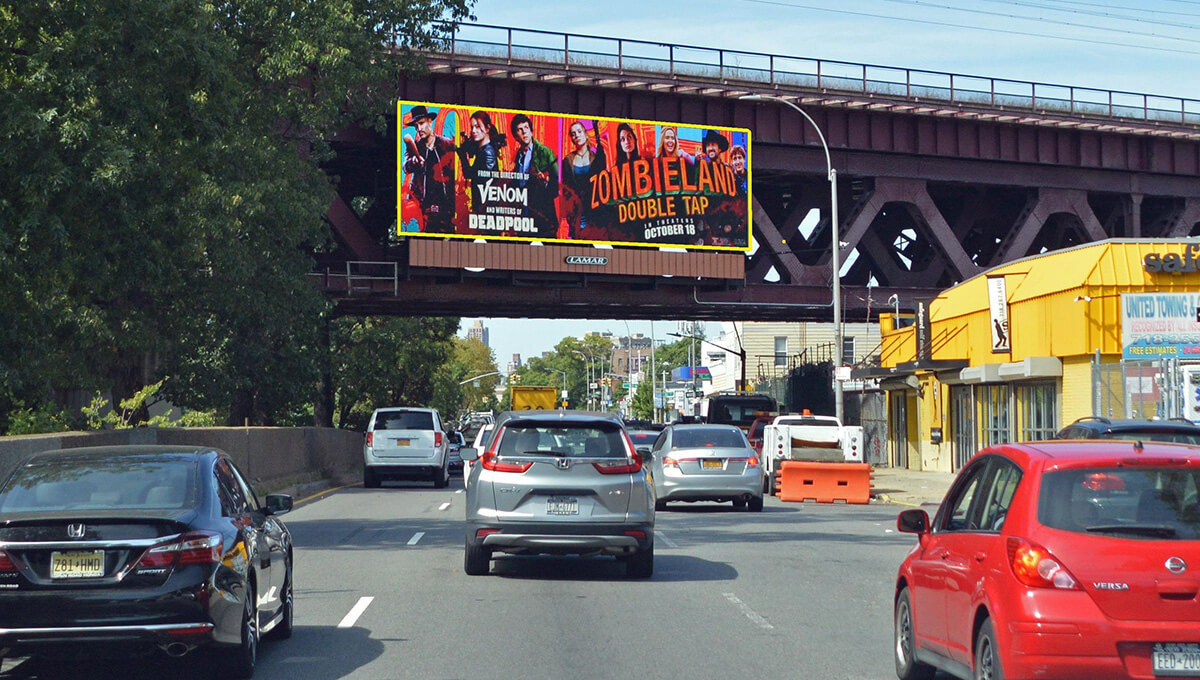
The Acronym Identity Crisis: Defining the DSP for Growth Leads
DSP stands for three different things depending on who you ask, and two of them have nothing to do with ad buying.
Forget the sleep syndromes. Forget the healthcare credentials. For growth-focused marketers, the DSPs definition that matters is this:
A Demand-Side Platform is a centralized, automated interface that lets advertisers buy, manage, and optimize digital ad inventory across multiple channels in real time, at scale.
Think of it as the brain of programmatic advertising. It ingests audience data, evaluates available inventory, executes bids, and adjusts spend all faster than any human media buyer could even open a spreadsheet.
That speed is the point. Traditional media buying is a slog: RFPs, insertion orders, manual negotiations, week-old reporting. A DSP collapses that cycle from weeks to milliseconds.
The DSP is a decision engine. When campaigns like programmatic dental clinic targeting drive measurable appointment lift, that’s the DSP doing its job.
Understanding what a DSP actually does under the hood, how it connects to inventory, bids in real time, and targets with precision is where most strategies start breaking down.
How a Modern DSP Actually Works (Without the Jargon)
A DSP is a data-driven decision engine, not just a dashboard where you upload a creative and hope for the best.
To define DSPs accurately: they’re software that connects buyers to inventory at scale, executes bids in milliseconds, and continuously optimizes toward performance. Here’s how that plays out in practice:
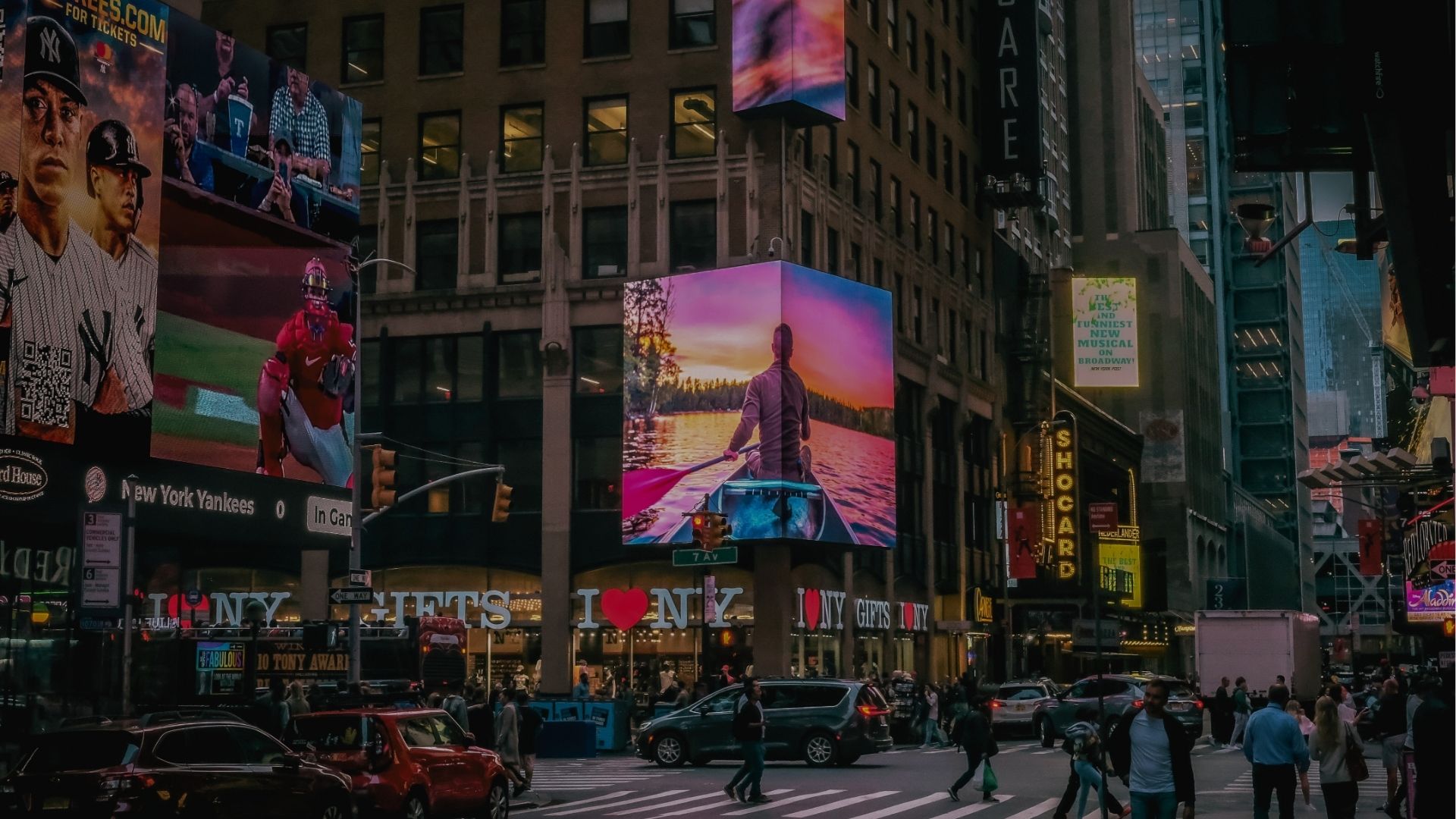
- Connect: The DSP plugs into Supply-Side Platforms (SSPs), which aggregate available ad inventory. One connection unlocks thousands of screens simultaneously like digital billboards, transit displays, venue screens.
- Bid: When a screen becomes available, the DSP evaluates it against your targeting criteria and places a real-time bid. The entire auction clears in under 100 milliseconds.
- Optimize: Post-impression, the system analyzes performance signals and adjusts bids, targeting, and spend allocation automatically.
A DSP buys the right moment, in the right place, for the right audience.
DSPs allow marketers to buy and optimize ads across thousands of screens in real-time based on movement patterns and geotargeting. If you’re new to how this plays out in the physical world, the mechanics become even clearer.
The intelligence lives in the data layer. And that’s exactly where most strategies break down before we even get to walled gardens.
The Social Media vs. DOOH DSP Divide
The full DSP definition only makes sense when you understand what it isn’t, and social media ad platforms are the biggest source of confusion.
Social platforms aren’t true DSPs. They’re walled gardens with DSP-like features bolted on.
Here’s the practical difference:
- Social media “DSPs” lock you inside their ecosystem. Your targeting, your data, your reach, all controlled by one platform’s rules and inventory.
- True DSPs buy across thousands of publishers and networks simultaneously, giving you cross-environment scale that no single platform can match.
- Programmatic DOOH takes it further, moving that automated, data-driven buying into the physical world.
Social is built for the scroll. Someone half-watching a video while doing something else. DOOH is built for the moment.
The shift from manual direct deals to automated buying matters here. Direct buys meant negotiating screen-by-screen, locking in static placements weeks in advance. Programmatic flips that model: you define the audience and conditions, the DSP executes across digital out-of-home inventory in real time
Which brings up the next question: what happens when that real-time buying connects to environmental signals?
Contextual Triggers: Why Static Creative Is a Liability
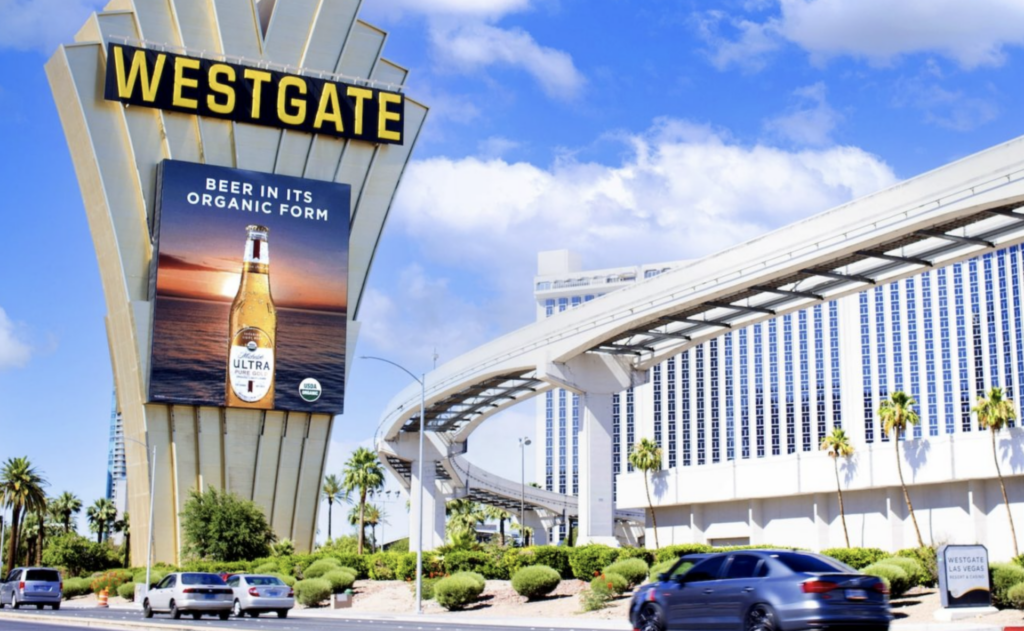
Static creative actively erodes attention in environments where relevance is the only currency that matters.
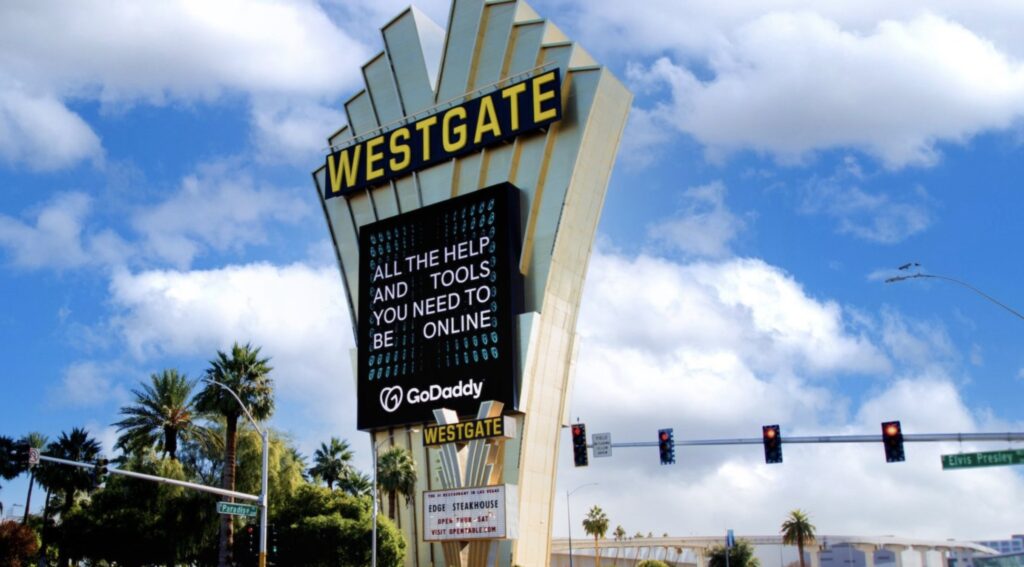
A demand side platform DSP built for DOOH can pull live environmental signals and swap creative in milliseconds. No manual uploads. No campaign pauses. The screen shows a hot coffee ad at 7 AM on a cold morning, then pivots to an iced drink at noon when the temperature spikes. That’s not a gimmick. That’s the entire point of programmatic DOOH.
Weather-activated digital billboards deliver a 90% ad recall rate compared to just 65% for generic static creatives.
That 25-point gap is banner blindness, measured in the physical world. Static billboards are invisible not because people aren’t looking, it’s because their brains have learned to filter predictable stimuli. Contextual relevance breaks that filter.
Real-time creative updates are the cure. When a message matches the moment, it registers as signal, not noise. The mechanics behind this aren’t complicated once you understand what the platform is actually doing: reading the environment, making a decision, executing it, all before the impression renders.
The brands still running the same static creative year-round aren’t saving money. They’re buying invisibility.
Which raises a harder question: if contextual triggers this dramatically improve recall, what’s actually happening inside the brain when creative evolves in real time? That’s where the neuroscience gets interesting.
The Neuroscience of Impact: Memory and Programmatic DOOH
The brain doesn’t treat all ads equally, and the data proves it. Evolving creative in programmatic DOOH campaigns delivers a 38% higher impact on long-term memory encoding than static creative by day five, according to research from Neuro-Insight and QMS. That’s the difference between a brand someone remembers and one that evaporates on the commute home.
Why it matters: A DSP-driven creative rotation rewires how deeply an ad registers in memory.
Here’s the mechanism. The brain habituates fast. Show the same stimulus repeatedly and neural response drops sharply, that’s ad-blindness in biological terms. But introduce variation and attention reactivates. The DSP is maintaining cognitive engagement across exposures.
Pay-per-play efficiency compounds this advantage. Legacy OOH buys spray impressions across every demographic that happens to walk by. Programmatic buys the right moment, the right location, the right audience and rotates creative to keep memory encoding active. Less waste. More recall. The real-world results back this up: brands running dynamic programmatic campaigns see measurable lifts in both foot traffic and brand recall, not just reach metrics.
Memory encoding is the bridge between exposure and action. The next section brings it all together.
Stop Buying Billboards Like It’s 1995
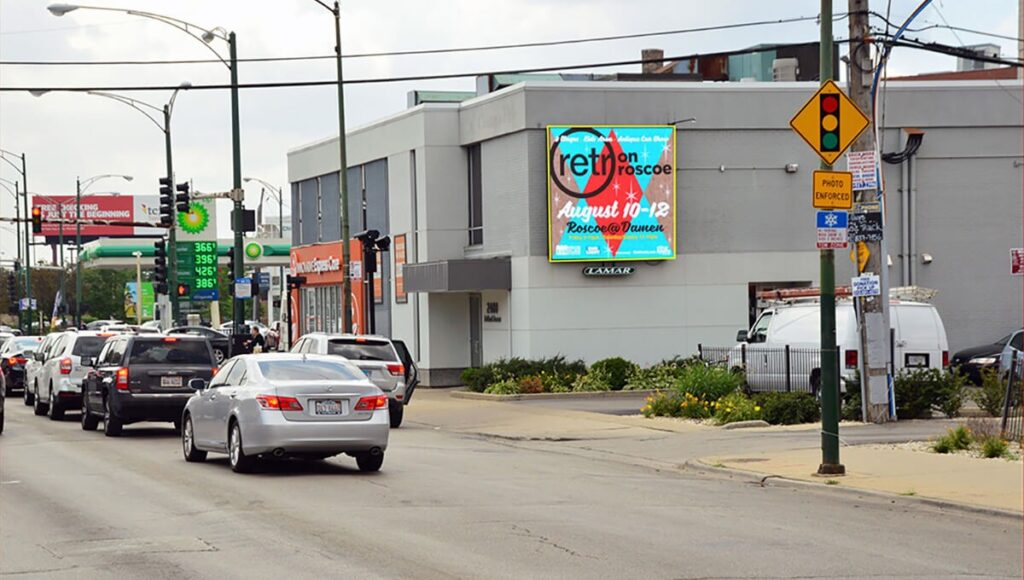
The programmatic shift is simple: stop negotiating static contracts and start launching campaigns the way modern buyers actually work.
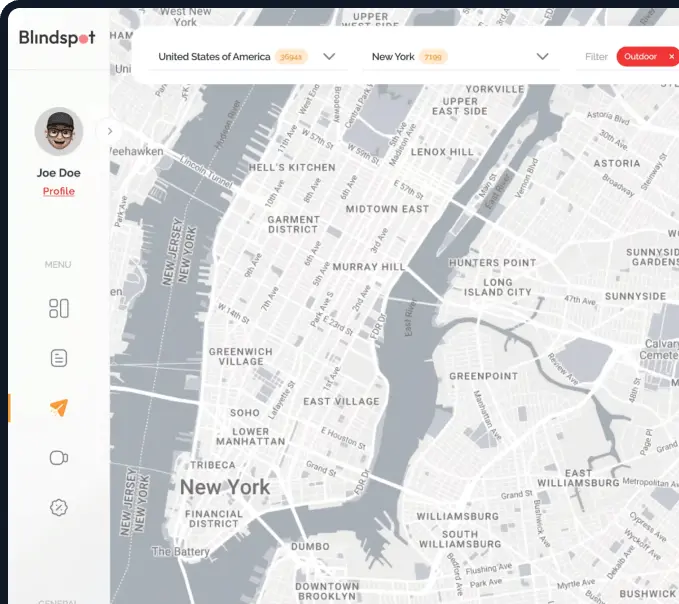
Legacy OOH buying is a paper trail. Phone calls, rate cards, minimum commitments, and zero ability to react when the market moves. Programmatic DOOH replaces all of that with real-time decisioning, contextual triggers that fire based on weather, time, location, and live audience data and a buying interface that doesn’t require a media planner with a PhD.
The numbers back this up. An NGO ran a full programmatic DOOH campaign and delivered 273% ROI using the exact same speed and targeting infrastructure available to any advertiser on the platform.
Stop settling for static inventory that can’t react, can’t optimize, and can’t prove anything. The billboard of 1995 is dead.
Key Takeaways
- A DSP has one job: automate the buying of ad inventory in real time. It’s not a healthcare acronym or a sleep condition. It’s the infrastructure behind every high-performing programmatic campaign.
- Programmatic DOOH is the fastest-growing DSP channel because physical screens in high-traffic environments command attention that digital feeds no longer can.
- Contextual triggers work. Weather, traffic, and time-of-day signals increase ad recall by up to 25% compared to static placements.
- Real-time creative swapping is the only viable counter to modern ad-blindness. Rotating messaging keeps audiences cognitively engaged rather than pattern-filtering your spend into oblivion.
- POI targeting and pay-per-play models deliver efficiency that raw reach never can you’re paying for proximity to buyers, not impressions in a vacuum.
Frequently Asked Questions
What is the most practical dsp definition for growth leads?
A demand side platform (DSP) is a centralized software interface that automates the purchase of digital advertising. It replaces manual negotiations and static contracts with real-time bidding (RTB), allowing you to buy, manage, and optimize impressions across thousands of networks in milliseconds. It is the execution layer of your programmatic strategy.
How do you define dsps in the context of DOOH?
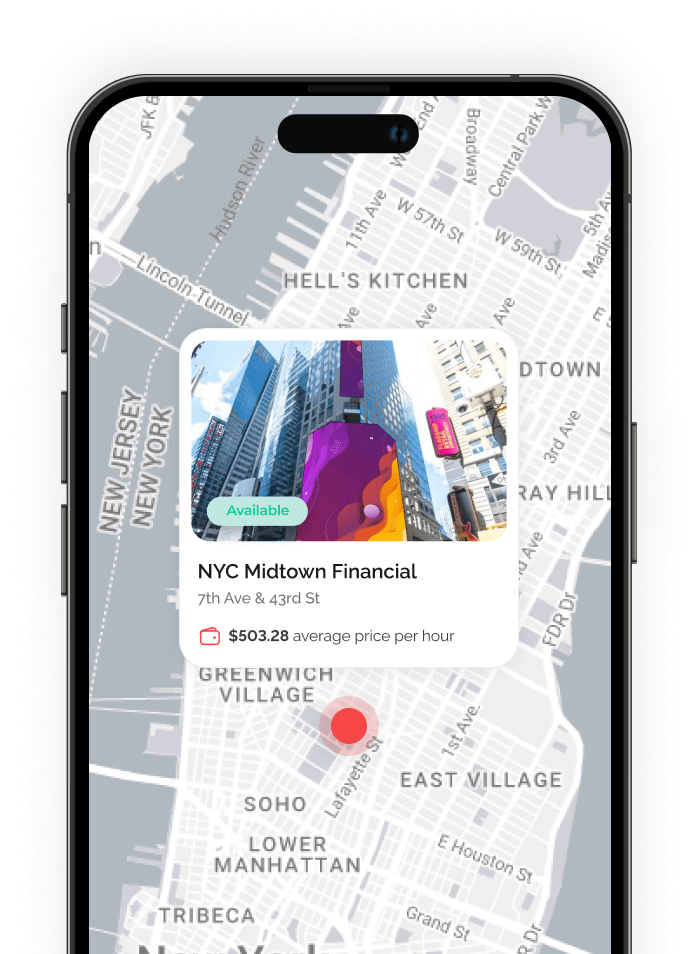
In the physical world, a DSP connects advertisers to digital billboards, transit hubs, and retail screens. Unlike traditional OOH, a programmatic DOOH DSP uses data-driven signals to decide which creative to play on which screen at any given moment. This ensures your budget is spent on high-impact impressions, not just static visibility.
What are contextual triggers in programmatic advertising?
These are environmental “if-this-then-that” rules. A DSP can use contextual triggers like weather, time of day, or live traffic data to swap creative instantly. For example, a campaign might trigger an ad for iced coffee only when the temperature exceeds 80 degrees. These triggers increase ad recall by up to 25% compared to static placements.
Why move from direct buys to a demand side platform?
Speed and control. Direct buys involve RFPs, paper trails, and multi-week commitments. Using a demand side platform allows you to launch campaigns in minutes, adjust spend in real time, and optimize creative based on live performance data. It turns the billboard from a static asset into a reactive digital channel.