The End of ‘Vibe-Based’ Marketing: How D2C Brands Finally Solve Billboard Attribution
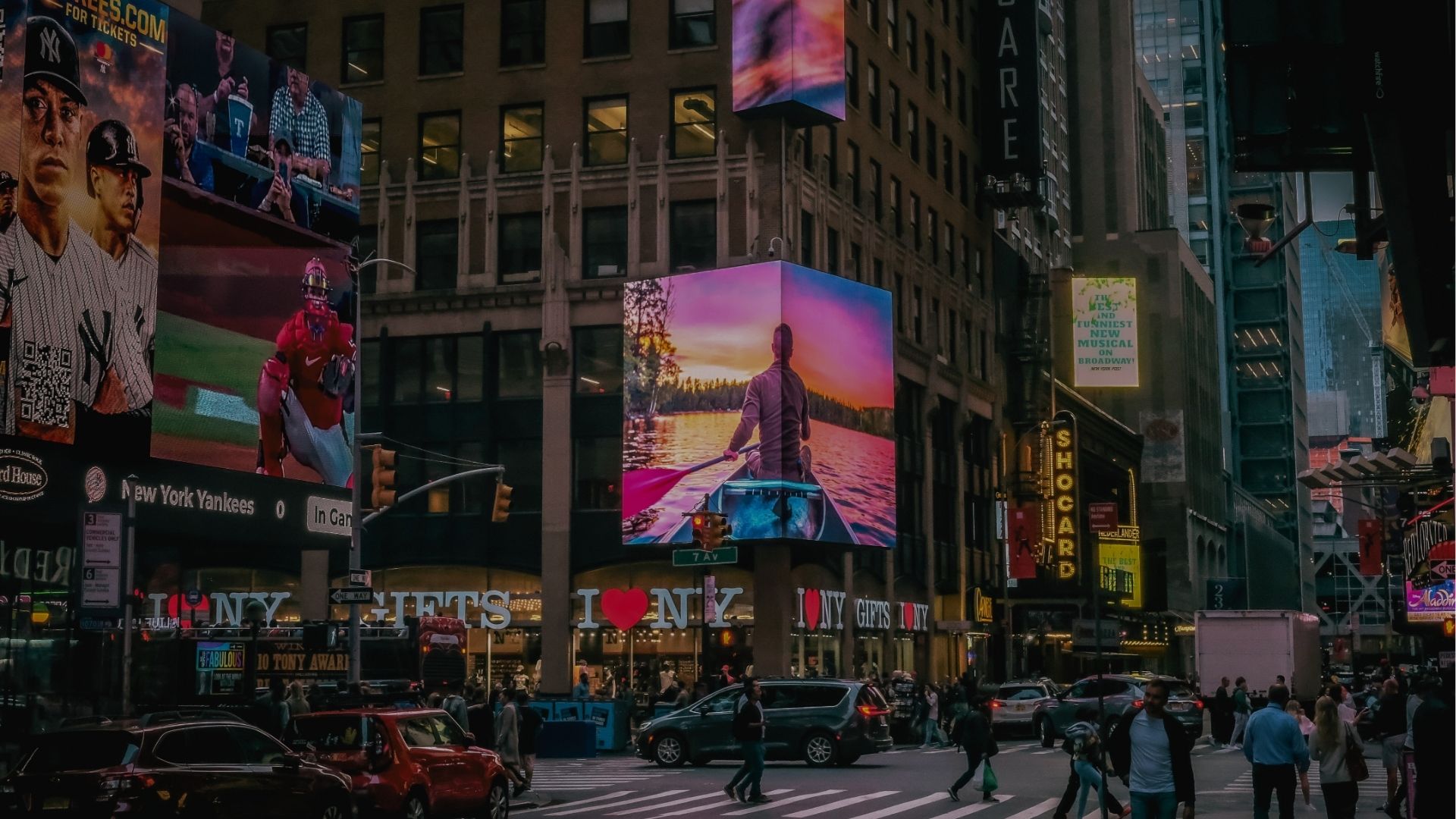
Billboard attribution used to be a punchline. You put up a board, watched your brand search volume, and called it a win if the numbers went up that quarter. No causation required. No control group. Just vibes and a renewal contract.
That era is over.
D2C brands are now running OOH the same way they run paid social, with device-level data, incremental lift measurement, and real-time optimization. The gap between “we ran a billboard” and “the billboard drove 14% foot traffic lift in that zip code” is no longer a gap. It’s a solved problem, and the brands closing it are pulling ahead fast.
This piece breaks down exactly how modern billboard attribution works, where legacy measurement fails, and what a performance-grade OOH stack actually looks like in practice. If your current approach involves a vanity URL and a prayer, keep reading.
The Mechanics of Modern Billboard Attribution

Billboard D2C attribution works by turning physical ad exposure into a measurable digital signal, and the tech stack behind it is more precise than most marketers realize.
Mobile location data is the foundation. When a device enters the “viewing cone” of a billboard, where the ad is actually visible, it gets logged. That exposure event becomes the starting point for everything downstream.
From there, device ID matching connects the dots. The same device that passed your billboard shows up later on your website or installs your app. It’s a trackable sequence.
Here’s how the full attribution stack breaks down:
- Exposure capture: Location data flags devices within the viewing cone
- Control vs. exposed groups: Unexposed devices in similar zip codes serve as the baseline; modern DOOH platforms can measure foot traffic lift against this control group in real-time
- Device ID matching: Bridges OOH exposure to on-site behavior and conversions
- POI targeting: Point of Interest data narrows the audience to devices regularly appearing near relevant locations (gyms, competitor stores, specific neighborhoods), which tightens the data set and kills noise
Incremental lift is the number that actually matters. The control group methodology isolates what your billboard caused, not what would’ve happened anyway.
The stack above is solid. But scanning a QR code is still how most brands think about closing the loop, and that’s leaving most of the story unread.
Moving Past the QR Code: Advanced ROI Tracking
Measuring billboard advertising ROI with QR codes alone is like judging a concert by counting how many people bought the merchandising.
QR codes and vanity URLs seem measurable but in practice, they capture maybe 10% of actual impact. The other 90%? They saw your board, remembered your brand, and searched for you later. That conversion never gets credited.
Here’s what advanced attribution actually tracks:
| Basic Tracking | Advanced Attribution |
|---|---|
| QR code scans | Geofenced search volume spikes by zip code |
| Vanity URL traffic | Social traffic lift correlated to OOH exposure windows |
| Anecdotal recall | Foot traffic analysis via mobile device ID |
| Monthly reporting | Near-real-time campaign signals |
Geofencing the “halo effect” is where the real signal lives. When a billboard goes up, you’ll see search volume and direct social traffic climb in that specific zip code. That’s measurable lift, and it’s attributable.
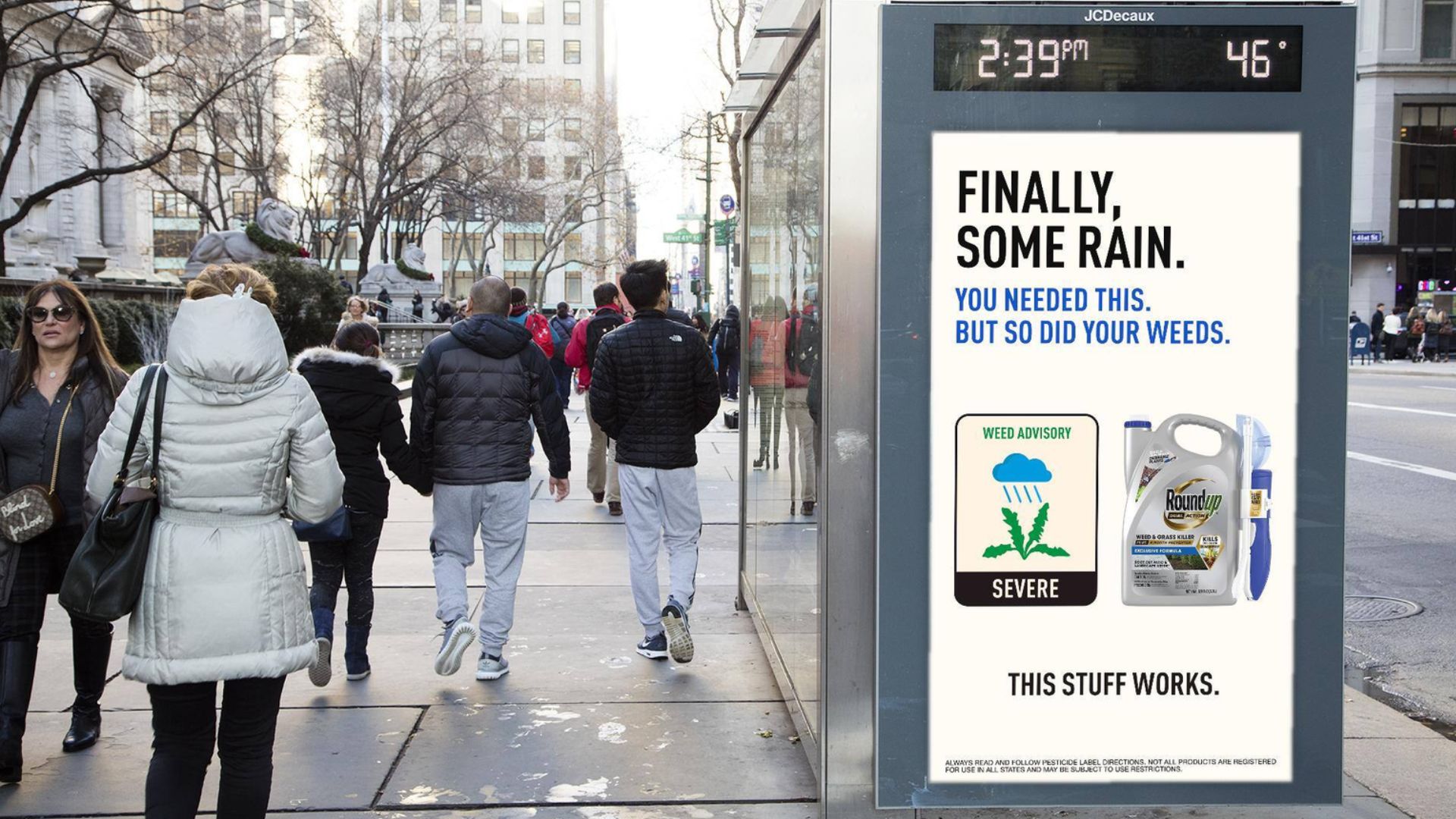
Contextual triggers sharpen the picture further. Serving different creatives based on weather, time of day, or local events increases relevance and compresses your effective CPM.
Treating outdoor advertising like a digital buy means you stop guessing and start optimizing mid-campaign.
That data layer also unlocks something bigger: the ability to buy smarter, not just measure smarter.
The Programmatic Advantage: ROI Through Flexibility
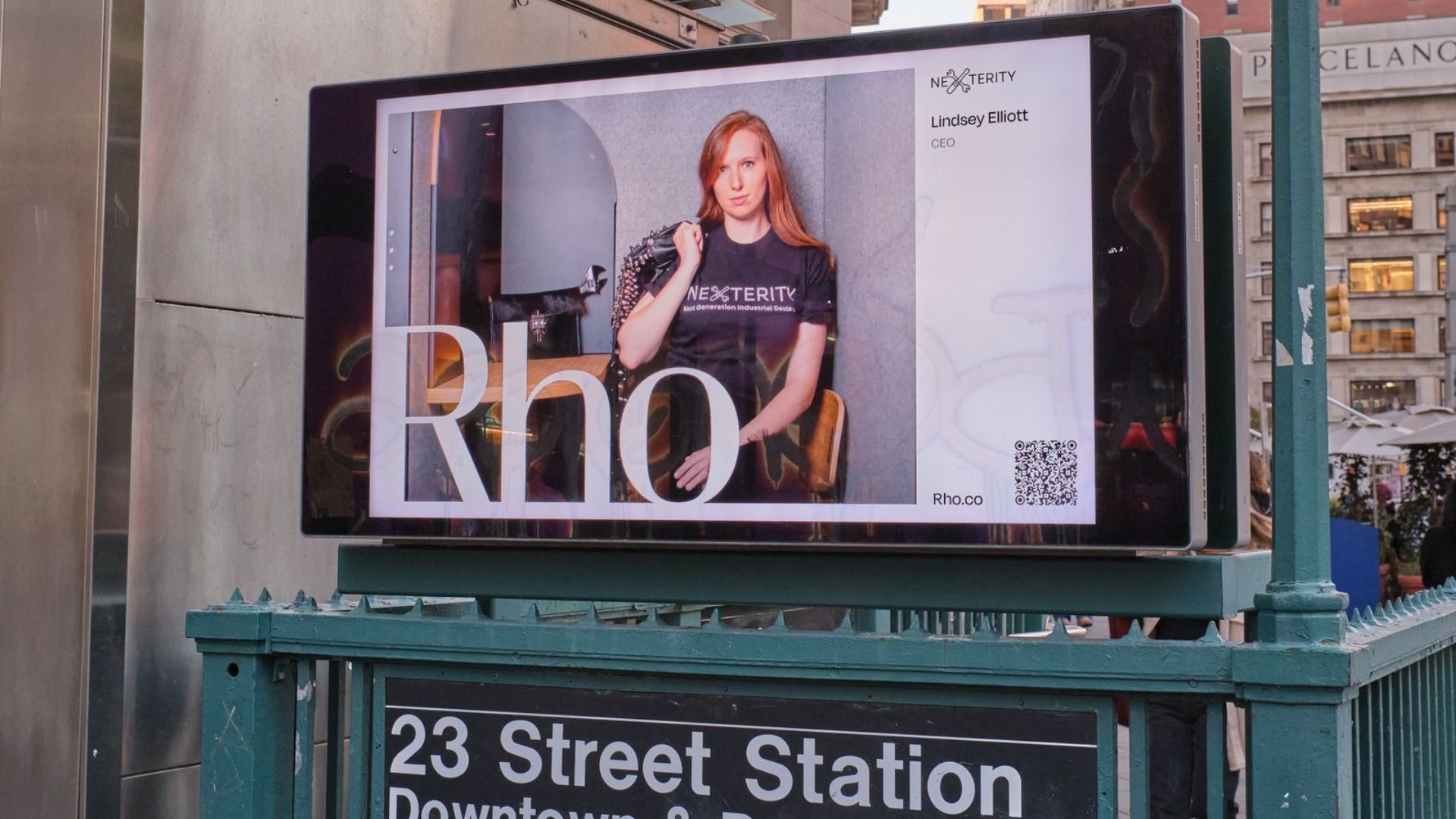
DOOH flips the entire billboard model from slow, static, month-long commitments to real-time, flexible buys that tighten OOH attribution and cut waste at every step.
Speed. The old way meant locking in a four-week contract before you knew whether the placement would perform. Programmatic changes that entirely. Micro-buying lets you purchase inventory by the hour, so you’re running ads during It’s a game-changer.
Precision. Static creatives assume the world stays the same. It doesn’t. Platforms like Blindspot allow real-time creative swapping triggered by environmental conditions. A cold front rolls in? Your copy switches to match it automatically. That kind of dynamic relevance isn’t just clever; it directly lifts response rates by serving the right message at the right moment.
Efficiency. Think of it as the Uber-ification of billboard booking: on-demand access, transparent pricing, zero wasted spend on empty audiences. You only pay for plays when your target demographic is actually present. Combined with the attribution mechanics covered earlier, this means every dollar has a job.
This flexibility is powerful. But flexibility without discipline creates its own problems — and there are a few measurement mistakes that quietly destroy campaign ROI even when the tech is solid.
Common Pitfalls in D2C Billboard Measurement
Bad data doesn’t just waste budget, it actively misleads your strategy and turns confident decisions into expensive guesses.
Myth: DEC numbers from legacy vendors give you an accurate audience count.
Reality: Ad-Tech Research 2024 found legacy OOH metrics overstate reach by up to 30% when they rely on outdated traffic counts instead of real-time mobile data. You’re optimizing against fiction.
Myth: If a conversion happens after a campaign runs, the billboard gets the credit.
Reality: The lag effect is real. Consumers often convert days or weeks after exposure. Attributing only same-week spikes means you’re chronically undervaluing OOH — or missing the signal entirely.
Myth: Any lift in website traffic from your target city is campaign-driven.
Reality: Organic baseline traffic already exists in every geography. Without isolating it pre-campaign, you’re attributing existing demand to your billboard spend.
Myth: A wide viewing cone captures more relevant impressions.
Reality: Overextending the cone floods your attribution model with people who never had a realistic sightline. False positives skew your CPM math fast.
These pitfalls are the default state of most OOH measurement setups. Knowing where the data breaks is the first step toward fixing it.
The Bottom Line: How to Audit Your OOH Strategy
Every D2C brand running OOH right now should pressure-test their approach against four non-negotiables.
- Demand device-level attribution. If your OOH partner can’t show you foot traffic lift, mobile ID matching, or web visit spikes tied to specific placements, they’re selling you impressions with no accountability. That’s a red flag.
- Shift budget toward programmatic DOOH. Modern programmatic platforms give you access to global screen networks with the same ease as booking a ride-share. Better inventory access means better data granularity, and that is what separates performance from guesswork.
- Test small before scaling. Micro-buys in one or two markets cost a fraction of a national rollout and tell you almost everything you need to know. Validate your creative, your audience targeting, and your attribution model before you commit real budget. Starting your first campaign doesn’t have to be a six-figure leap.
- Use real-time triggers. Static creative running at 2 a.m. in a rainstorm isn’t doing what your noon-on-a-sunny-Friday spot does. Dynamic, context-aware creative is a privilege.
OOH without accountability is just expensive decoration. Audit each of these four areas now, and you’ll know exactly where the gaps are and what to fix first.
The right tools make all four of these actionable without a media agency or a three-month lead time.
Stop Guessing and Start Scaling with Blindspot
OOH is a performance channel, but only if you’re using tools built for performance. The vibe-based era is over. Impression estimates and gut-feel location picks don’t cut it when your CFO wants CAC broken down by placement.
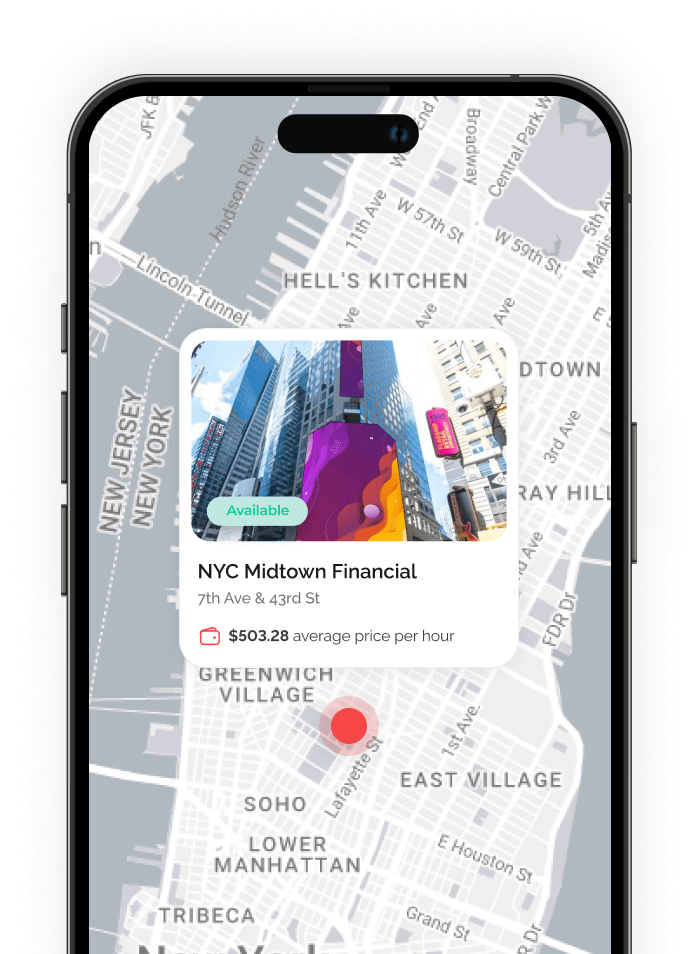
We eliminate the guesswork at the source. POI targeting means your ads run where your actual customers live, commute, and shop, not where a media rep had leftover inventory. The platform pulls real movement data, cross-references it against your audience profile, and surfaces the placements most likely to drive measurable lift.
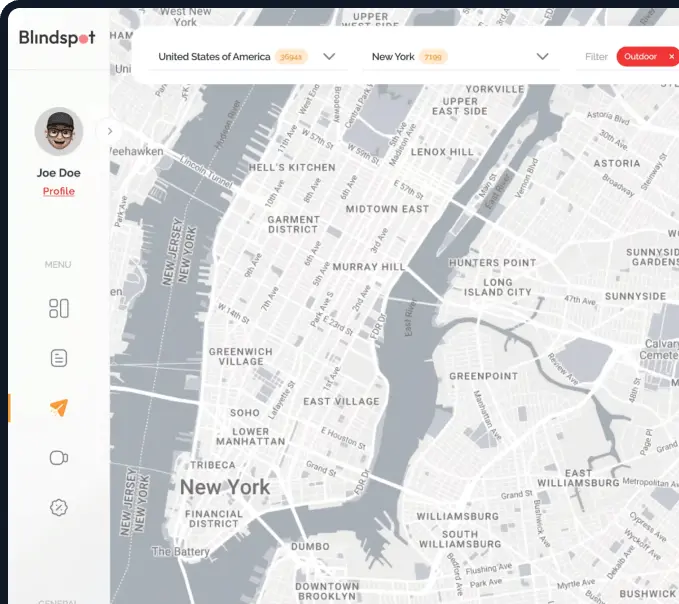
Self-service is a structural advantage. As Blindspot puts it, booking billboard ads should be as easy as booking an Uber. Launch a campaign in minutes. Adjust spend mid-flight. Kill underperformers before they drain budget. No contracts. No waiting weeks for a sales team to build a proposal.
Real-time attribution closes the loop. You see which screens drove foot traffic, which creatives converted, and which locations to scale. That’s the full performance cycle: plan, launch, measure, optimize.
Stop running billboard attribution blind. Explore the Blindspot platform and see what data-driven OOH actually looks like in practice.
Key Takeaways: The New Rules of OOH Attribution
- Vibe-based marketing is dead. D2C brands no longer accept “awareness” as a primary KPI. If an OOH placement isn’t driving measurable signals, it’s a waste of capital.
- Mobile location data is the foundation. Modern attribution uses device ID matching and geofencing to track the journey from billboard exposure to website conversion.
- QR codes are a distraction. They capture less than 10% of total impact. Advanced ROI tracking focuses on zip-code-level search spikes and foot traffic lift.
- Programmatic DOOH adds a layer of efficiency. Use contextual triggers like weather, time of day, traffic density to optimize creative and pay only for high-value impressions.
FAQ: Measuring Outdoor Advertising Effectiveness
How do you actually measure billboard advertising ROI?
Forget vanity URLs. ROI is measured by matching mobile device IDs that enter a billboard’s “viewing cone” with subsequent digital actions, such as website visits, app installs, or in-store purchases. This creates a closed-loop attribution model similar to digital ads.
What is foot traffic lift in OOH?
Foot traffic lift is the percentage increase in visits to a specific Point of Interest (POI) from people exposed to your ad versus a control group that wasn’t. It isolates the billboard’s impact from organic baseline traffic.
Why is programmatic DOOH better for D2C brands than static boards?
Static boards require long-term commitments and “set-it-and-forget-it” creative. Programmatic DOOH allows for micro-buying (buying by the hour) and POI targeting. This flexibility lets growth teams kill underperforming placements mid-campaign and scale what works.
Can OOH help lower my Facebook and Google CAC?
Yes. Billboard exposure creates a “halo effect.” When consumers see your brand in the physical world, they are more likely to click your digital ads later. Tracking search volume spikes in geofenced areas during a campaign proves this lift.
Is POI targeting the same as geofencing?
Not exactly. Geofencing draws a virtual perimeter around a specific location and captures anyone who enters it. POI targeting is more surgical, it uses real movement data to identify devices that regularly appear near high-intent locations like gyms, competitor storefronts, or transit hubs, then prioritizes those audience profiles when buying inventory. In programmatic DOOH, POI targeting shapes which screens you buy and when, not just who you retarget afterward. Geofencing is a net. POI targeting is a sniper.