The $150 Times Square Billboard: A Guide to Hacking Iconic OOH
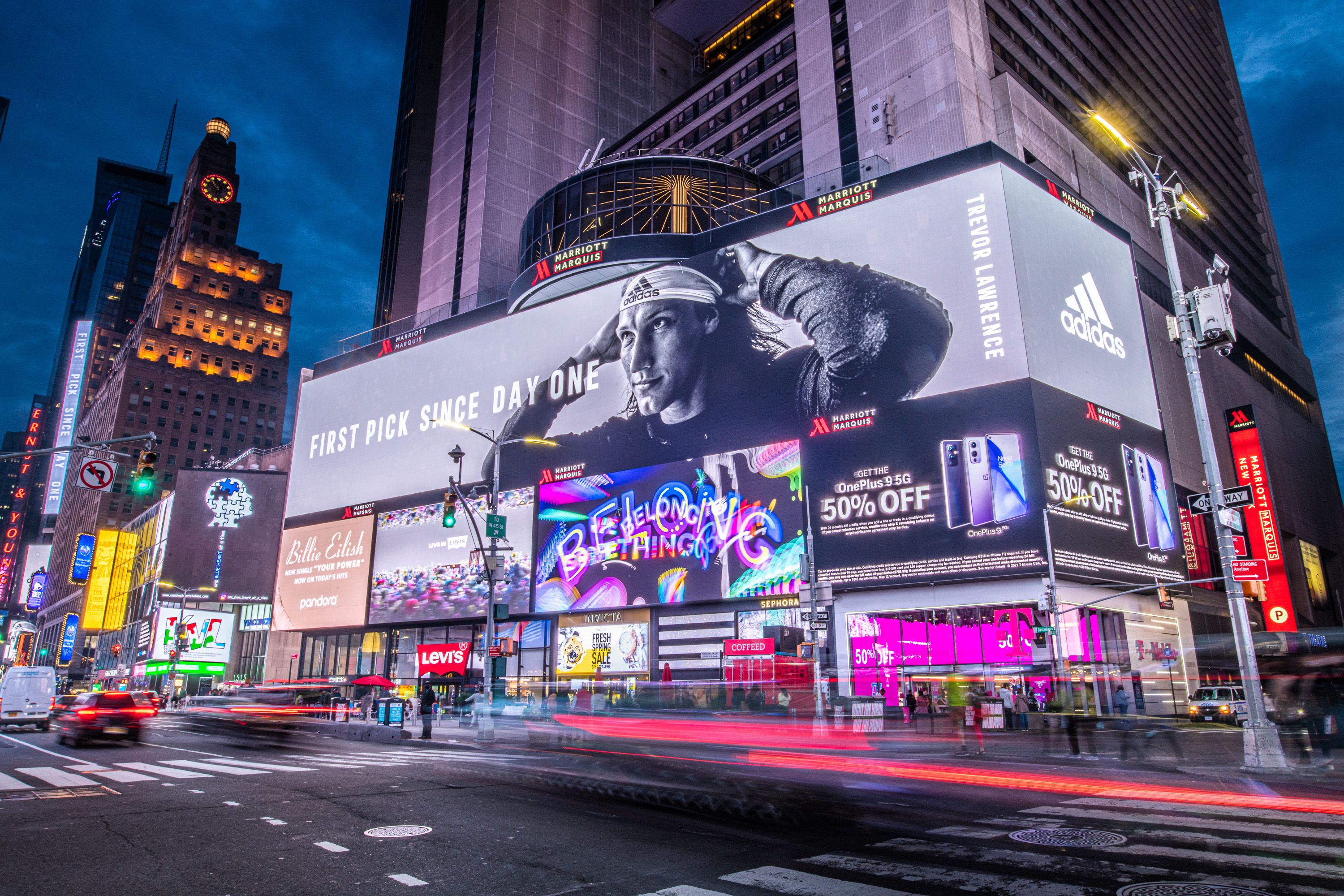
The Death of the $50,000 Minimum: Times Square in 2026
For decades, a Times Square billboard was the ultimate flex reserved for Fortune 500 brands with agency retainers, six-figure contracts, and brokers who’d negotiate multi-week commitments before a single pixel lit up. Traditional campaigns historically demanded five-to-six figure budgets just to get started. That era is over.
The new entry point for Times Square screen time is $150.
That’s not a typo, and it’s not a catch-laden promotional gimmick. A fundamental shift in how out-of-home (OOH) advertising is bought and sold driven by programmatic platforms and self-serve digital inventory has cracked open one of the world’s most exclusive advertising real estate markets to growth marketers, startups, and individual creators alike.
The real unlock here isn’t just affordability. It’s what marketers are calling Social Proof ROI: the idea that 15 seconds of your brand on a Times Square screen generates content, credibility, and shareability that outperforms weeks of paid social. A single photo or video clip from that iconic backdrop travels further on Instagram and LinkedIn than most Facebook ad campaigns ever will.
Understanding the actual Times Square billboard cost structure and how to navigate it strategically is where the real opportunity lives. The next section breaks down exactly what you’re paying for, and what you’re not.
Breaking Down Times Square Billboard Costs: Real Prices for 2026
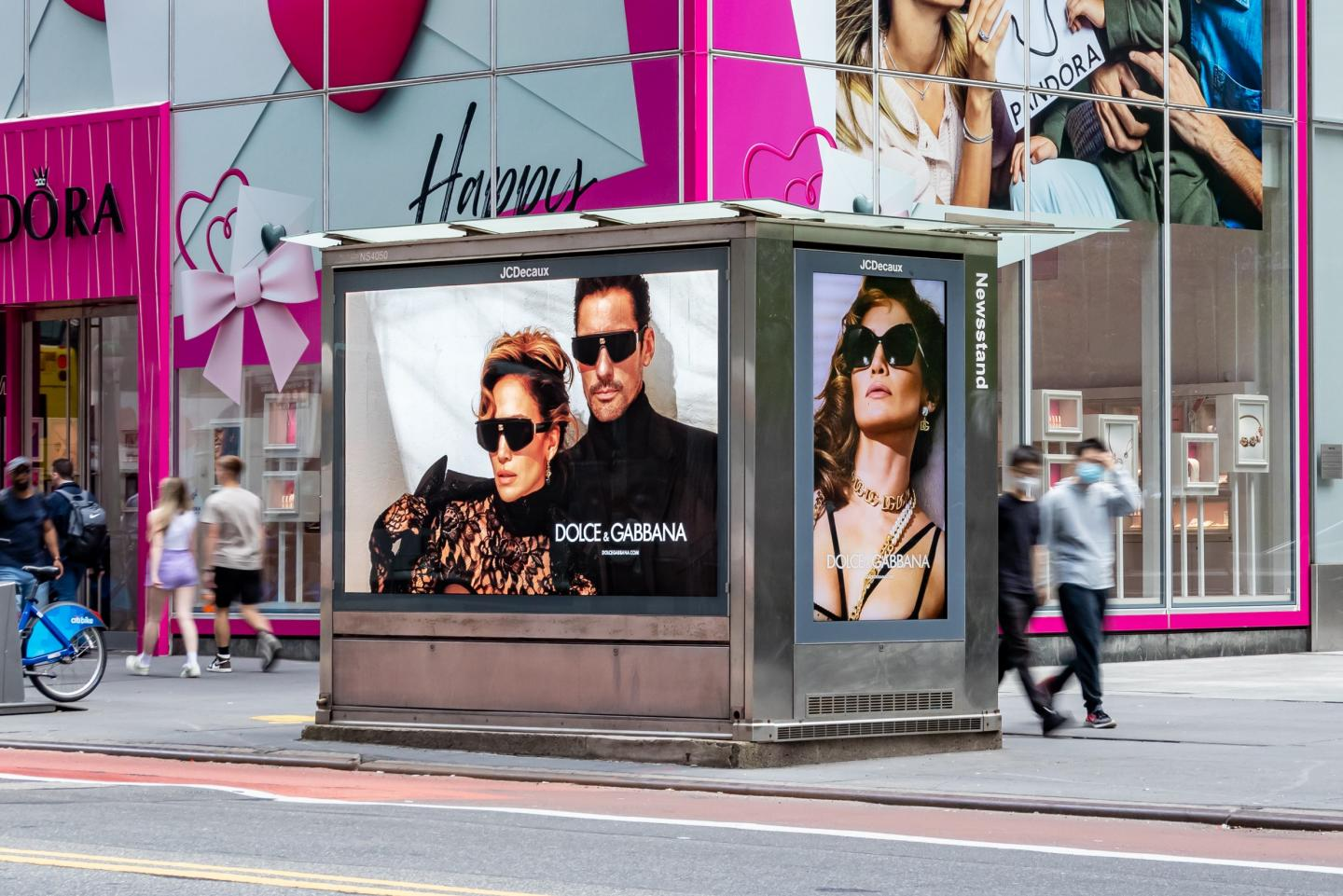
If you’ve ever searched how much a Times Square billboard space actually costs, you’ve probably landed on wildly different numbers and that’s because there’s no single answer. The price depends entirely on which screen, which model, and what you’re trying to accomplish.
The ‘Big Three’ vs. Other Options
The landmark displays, think the towering screens wrapping One Times Square or the flagship digital boards visible from every angle of the intersection represent traditional OOH pricing. These placements run anywhere from $25,000 to over $100,000 per four-week cycle, require agency coordination, and come with production minimums most small brands can’t clear.
Then there’s everything else. The Square hosts dozens of smaller digital out-of-home (DOOH) screens that rotate through multiple advertisers on a shared loop. These operate on an entirely different economic model and that’s where the pricing gets interesting.
Two Pricing Models You Should Understand
| Placement Type | Duration | Estimated Cost | Best For |
|---|---|---|---|
| Premium landmark screen | 4-week cycle | $25,000–$100,000+ | Major brand campaigns |
| Small-to-mid DOOH screen (daily) | 24 hours | $500–$5,000 | Regional brands, events |
| Per-slot shared loop (DOOH) | 15 seconds | $40–$200 | Startups, content creators |
| TSX App feature | 15 seconds | $150 flat fee | Viral moments, social proof |
The per-screentime model sells individual 15-second slots within a rotating playlist. The daily model buys all-day rotation on a specific screen. For growth marketers, the per-slot approach is almost always the smarter entry point.
Explaining the $150 Entry Point
The TSX app lets users upload content directly and secure a 15-second feature for a flat $150 fee — no agency, no contract, no minimum spend. Some individual slots have been reported as low as $40 for a single 15-second placement.
A 15-second slot in Times Square is not just a media buy — it’s a content asset with a potentially unlimited shelf life.
That reframe is critical. And it leads directly into how smart marketers are actually using these placements — not as advertising, but as creative fuel.
The Growth Marketer’s Playbook: Why You Only Need 15 Seconds
The smartest brands aren’t buying Times Square placements for foot traffic. They’re buying a content asset, one that works for months across every digital channel they own. As one marketer put it bluntly on Reddit: “The value isn’t in the people walking by; it’s in the photo you take of the billboard to use in your marketing for the next year.” That single insight reframes everything about affordable Times Square advertising.
Capture: The Billboard Is the Set
Think of your 15-second slot as a film shoot, not an ad placement. The screen is the backdrop. Your job on the ground is to document it: smartphone footage, a photographer, a short video clip of the moment it goes live.
- Schedule your slot during peak daylight hours for clean, vibrant visuals
- Bring a wide-angle lens to frame the full Times Square context
- Capture multiple formats: vertical for Reels/TikTok, horizontal for YouTube pre-roll
Amplify: One Moment, Dozens of Touchpoints
Raw footage from a Times Square billboard consistently outperforms studio-produced creative on paid social. The location carries instant credibility that no green screen can replicate.
- Cut 6-second clips for Meta retargeting ads
- Use still images as organic LinkedIn and Instagram content
- Embed footage in pitch decks, investor updates, and email campaigns
Convert: The ‘As Seen In Times Square’ Badge
Brand authority converts. Startups and agencies that add an “As Seen In Times Square” badge to their landing pages or proposals report stronger trust signals with cold audiences — because Times Square still means you’ve arrived.
- Add the badge to your website hero section
- Feature it in sales collateral and agency proposals
- Use it as social proof in onboarding sequences
Once you understand what you’re actually buying — a high-authority content asset — the next logical question is how to book one without getting lost in agency red tape.
How to Book: Self-Serve Platforms vs. Traditional Agencies
Understanding the cost landscape is one thing — actually securing your placement is another. The booking process you choose will directly impact your timeline, budget, and flexibility.
Why Traditional Agencies Don’t Fit This Playbook
Large programmatic platforms built for enterprise media buyers are genuinely powerful tools. But for a single growth stunt, they’re overkill. Traditional agency workflows typically involve contract negotiations, minimum spend commitments, and production timelines measured in weeks. When you’re running a lean campaign built around a 15-second content asset, that friction kills momentum.
A common pattern is that smaller brands get deprioritized in favor of clients running multi-market, six-figure campaigns. You’re not their target customer — and the process reflects that.
Why a Self-Serve Billboard Platform Changes Everything
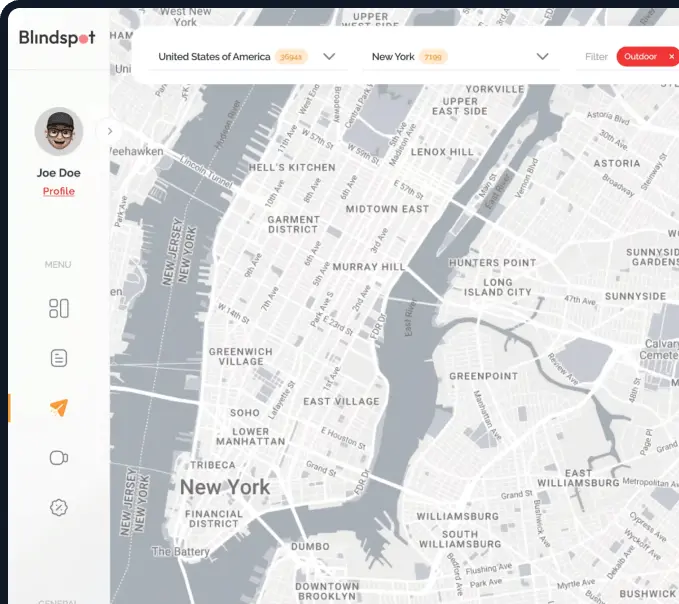
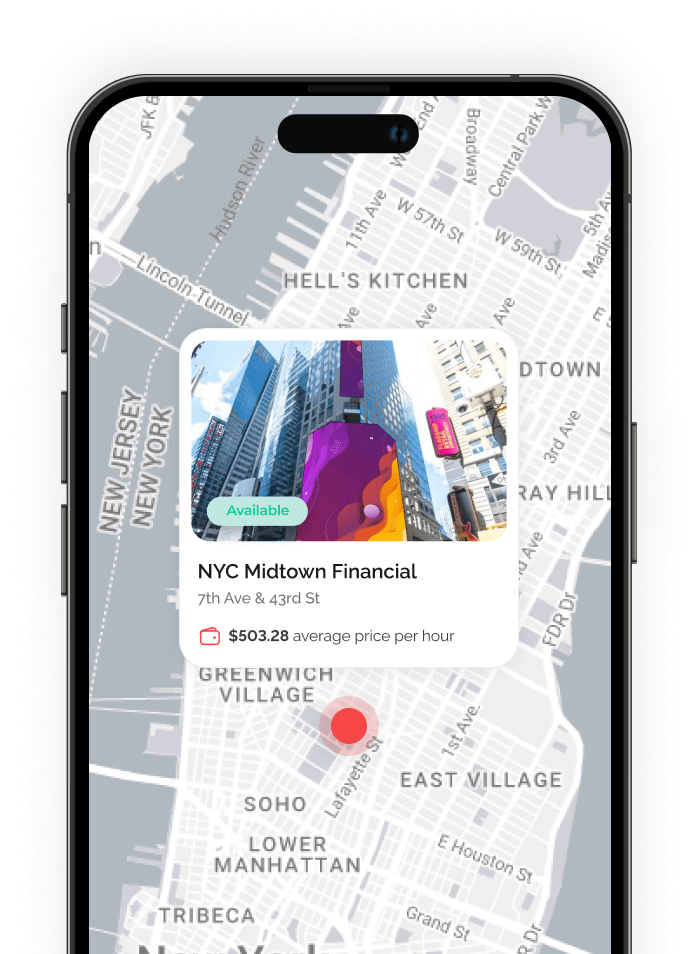
This is where purpose-built tools earn their place. Blindspot offers a self-service billboard platform with real-time booking, transparent pricing, and granular control over timing and screen location with no minimum spend requirements. For a growth marketer running a stunt campaign, that’s the entire value proposition in one sentence.
Professional screens. Transparent pricing. No gatekeepers.
Step-by-Step: From Upload to Live
- Create your account on the platform and browse available Times Square inventory by date, time slot, and screen.
- Select your slot and choose peak foot traffic hours if your goal is on-the-ground content capture.
- Upload your creative following the platform’s exact spec requirements (resolution, file format, aspect ratio).
- Confirm your booking and receive a live notification window so your camera crew knows precisely when to be ready.
- Capture your content — this is the asset you’ll repurpose across every channel.
Avoid “Tourist Apps” for Brand Campaigns
Several novelty apps let you put a selfie on a billboard for a fee. They’re built for personal milestones, not brand storytelling. The screen quality, placement prominence, and professional specs simply don’t hold up when your deliverable is content that represents your company publicly.
The platform you choose is really a creative decision, too and that leads directly into how your actual ad needs to be built to perform on screen.
Creative Best Practices for 15-Second Stunts
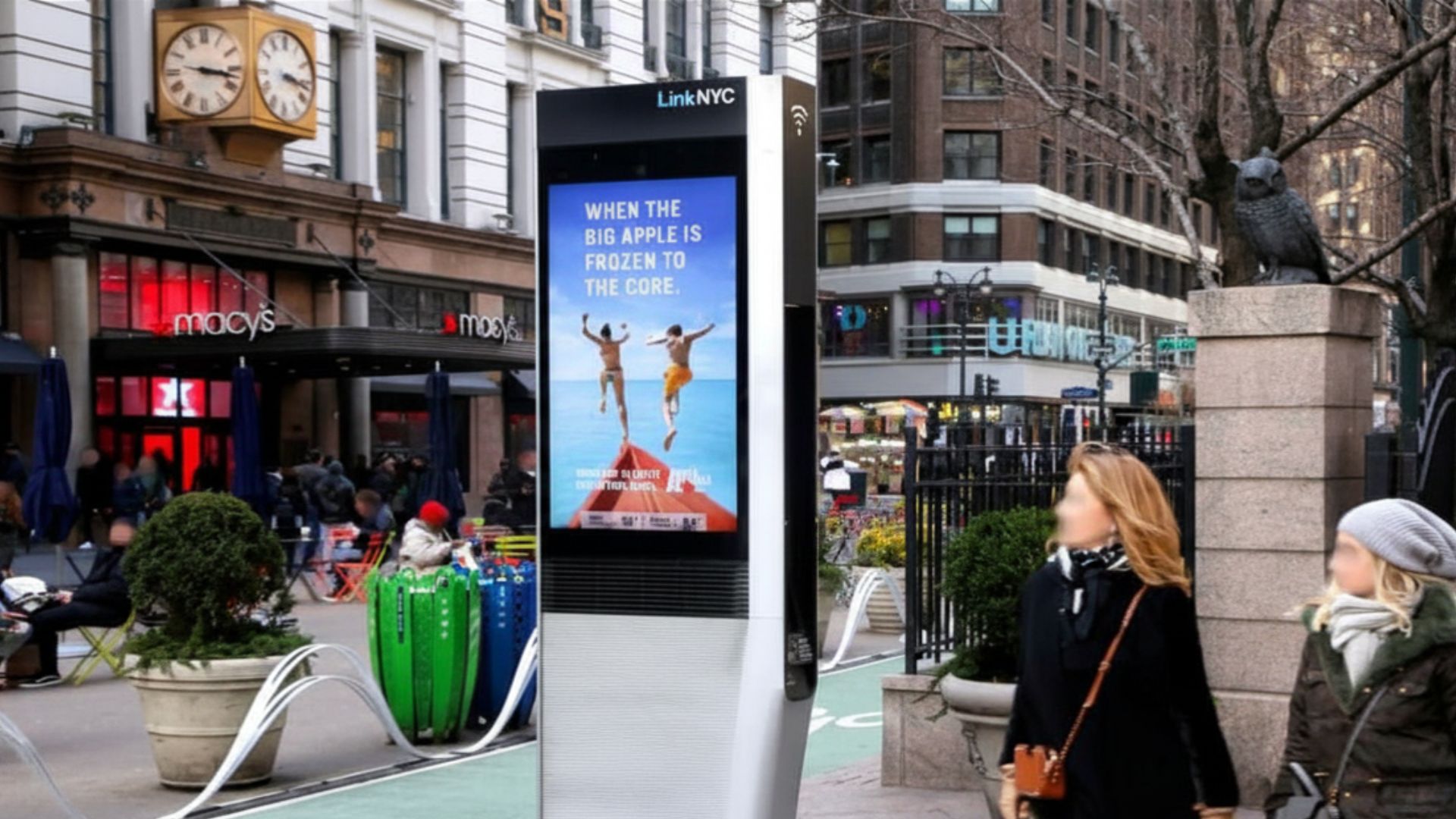
Booking your slot is only half the battle. A poorly designed creative will waste every dollar of that placement whether you’re running a one-off personal stunt or a full programmatic OOH in New York campaign across multiple screens.
“A Times Square billboard amplifies your design decisions. Bad creative gets ignored at scale.”
Start with contrast. White or light-colored backgrounds nearly disappear against the ambient glare of midday sunlight bouncing off glass towers. In practice, deep jewel tones like navy, black or even emerald anchor visuals and hold attention far better outdoors.
“Your five words need to work harder than your five paragraphs ever could.”
Apply the Five Word Rule to your copy. Viewers are moving, distracted, and surrounded by competing screens. Boil your message down to a single punchy phrase. If you can’t say it in five words, cut until you can.
“A QR code the size of a postage stamp is invisible at street level — and useless.”
On QR codes: they can work, but only if they’re enormous — filling at least 30–40% of the frame. It’s also worth noting that Times Square digital screens enforce strict content moderation, with specific rules around embedded URLs and codes, so confirm compliance before finalizing your file.
“Nail the timing, or you’ll have stunning footage of an empty screen.”
Finally, coordinate your camera crew before you book. Most screens run on fixed rotation cycles, and capturing your 15-second play requires someone physically ready at exactly the right moment.
Pro-Tip: Upload your creative file at least 48 hours early and request a test confirmation. Screens often have custom aspect ratios (commonly 9:16), and a last-minute reformat can compromise your entire design.
Speaking of capturing that moment, what happens if you can’t make it to New York in person? The logistics of proof, remote verification, and emerging 2025 screen formats are worth understanding before you hit publish.
Navigating the Logistics: Timing, Proof, and 2026 Updates
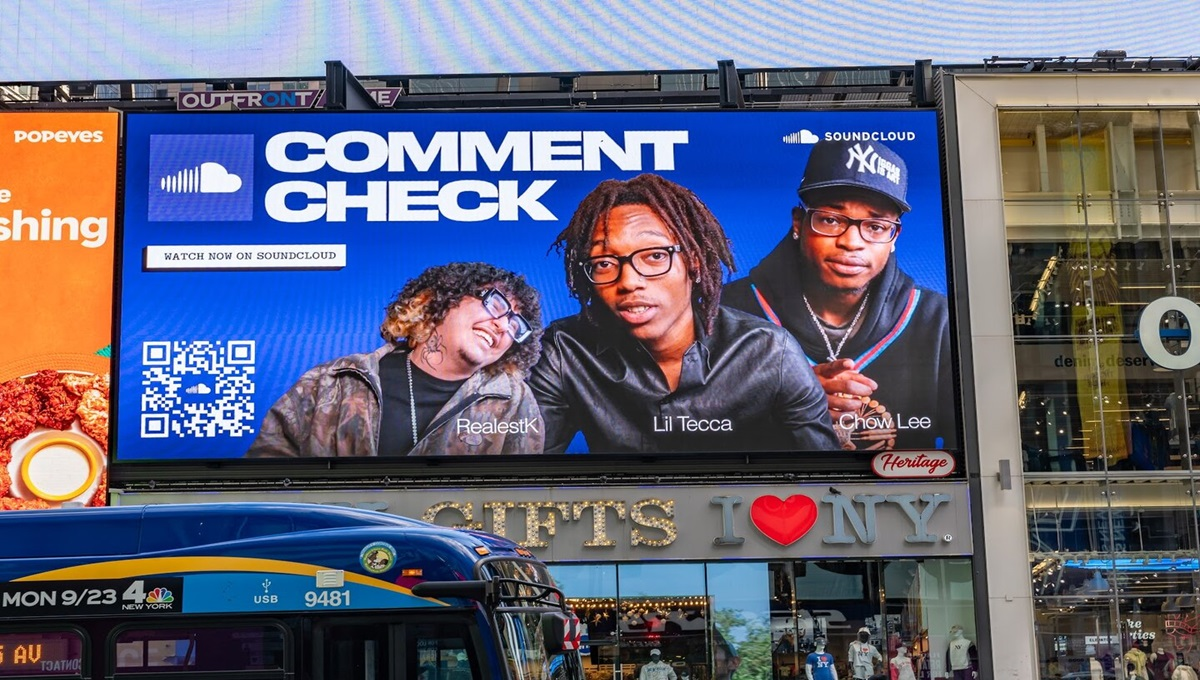
You’ve booked your slot and polished your creative. The final piece is making sure you actually capture the moment and stay ahead of where this format is heading.
Getting Your Proof of Play Without Visiting NYC
A Proof of Play (POP) photo is your official documentation that the billboard ran. For remote marketers, this is non-negotiable — it’s what you’ll post on LinkedIn, share with clients, and repurpose across every channel. Most self-serve platforms deliver a timestamped photo file within 24–48 hours of your display window. Request it explicitly at booking; don’t assume it’s automatic.
Live Webcam Captures: The Remote Marketer’s Shortcut
Many services now offer a live webcam link so you can record your billboard play from anywhere in the world. Set a screen recorder running before your scheduled slot and capture the full playback in real time. That raw footage is social gold: authentic, unedited, and shareable.
2026 Trends Worth Watching
The accessible end of the market is evolving fast. Interactive and 3D anamorphic billboards once reserved for Fortune 500 budgets are appearing in entry-level packages at select locations. Keep an eye on these options when comparing platforms; they deliver dramatically higher engagement for minimal additional cost.
Times Square billboard advertising rewards marketers who treat logistics as seriously as creative. Book intentionally, capture everything, and the ROI speaks for itself.
Key Takeaways
- Schedule your slot during peak daylight hours for clean, vibrant visuals
- Bring a wide-angle lens to frame the full Times Square context
- Capture multiple formats: vertical for Reels/TikTok, horizontal for YouTube pre-roll
- Cut 6-second clips for Meta retargeting ads
- Use still images as organic LinkedIn and Instagram content
Times Square Advertising FAQ
How much does a Times Square billboard cost for a 15-second slot?
Expect to pay between $40 and $150 for a single 15-second placement through self-serve platforms like the TSX app or Blindspot. While flagship landmark screens still command $25,000–$100,000 per month, programmatic DOOH has created a “pay-per-play” model for smaller budgets.
Can I buy cheap Times Square advertising without an agency?
Yes. Using a self-serve billboard platform like Blindspot allows you to skip traditional agency retainers and contract negotiations. You simply upload your creative, choose your time slot, and pay a flat fee, making cheap Times Square advertising accessible to startups and individual creators.
What is the best time to schedule programmatic OOH in New York for content?
If your goal is “Social Proof ROI,” schedule your slot between 10 AM and 3 PM. This provides the best natural lighting for capturing high-quality photos and video of your billboard. If you are targeting raw foot traffic, the “theater rush” (6 PM to 8 PM) offers the highest density of eyeballs.
Are there any hidden fees with a $150 media buy?
The $150 typically covers the media airtime only. You are responsible for the creative production (ensuring it meets the screen’s aspect ratio and resolution) and the on-the-ground capture. For a professional-grade “As Seen In Times Square” asset, budget an additional $200–$500 for a local freelance photographer.
How much lead time do I need for a self-serve campaign?
Traditional OOH requires weeks of lead time, but programmatic platforms can often get your creative live within 48 to 72 hours. Once your creative is approved by the screen owner, you can often select slots for the following day.
Last edited on 22 May, 2026.