How to Buy Digital Billboards Online with Blindspot
Why Buying Billboard Advertising Has Changed
For decades, getting your brand on a billboard meant hiring an agency, signing a months-long contract, and committing to a budget most growing brands couldn’t justify. The process was opaque, slow, and gatekept by a handful of players who controlled access to premium inventory.
That’s no longer the reality. Programmatic digital out-of-home (DOOH) advertising has fundamentally shifted how brands reach audiences in the physical world. Today, you can buy digital billboards online the same way you’d launch a paid social campaign — with full control, real-time tracking, and no minimum spend requirement.
The implications are significant. A direct-to-consumer brand testing a new market, a startup launching in Times Square for the first time, or a local business targeting commuters in a specific corridor — all of them now have access to the same premium screens that once required enterprise-level budgets.
The barrier to outdoor advertising isn’t budget anymore — it’s knowing where to start. That’s exactly where platforms like Blindspot come in.
What Is Blindspot and Why It Exists
Blindspot, a self-serve programmatic DOOH platform, was founded in 2018 with a straightforward mission: make it possible for any brand to buy advertising on digital billboards without the gatekeeping that defined the industry for decades. The platform raised $4.4M to build what outdoor advertising had always needed — a self-serve marketplace that’s transparent, affordable, and built for how modern marketers actually work.
The credibility behind that mission is hard to argue with. Blindspot has run campaigns for Samsung, TikTok, GoDaddy, Snoop Dogg, Kanye West, and Universal Music. It also powered one of the most talked-about outdoor moments in recent memory: the $GME GO BRRR Times Square billboard, which became the most viral moment in Times Square advertising history and the #1 most popular Reddit post of all time.
That range — from Fortune 500 brands to cultural flash points — signals something important. The platform was built to scale with ambition, not budget. Whether you’re launching a product nationally or testing a message in a single high-traffic market, the infrastructure is the same.
The next step is understanding exactly how the buying process works — and it’s simpler than most marketers expect.
How to Buy Digital Billboards Online: Step by Step
One of the most common frustrations for growth marketers is that understanding a platform’s value is one thing — actually getting a campaign live is another. With Blindspot, that gap closes fast. The entire process is designed so that a brand manager can go from zero to live digital billboard advertising in a matter of days, without touching a phone or negotiating with a single sales rep.
Here’s how it works:
- Create a free account. Sign up at portal.seeblindspot.com in minutes. No credit card required to explore.
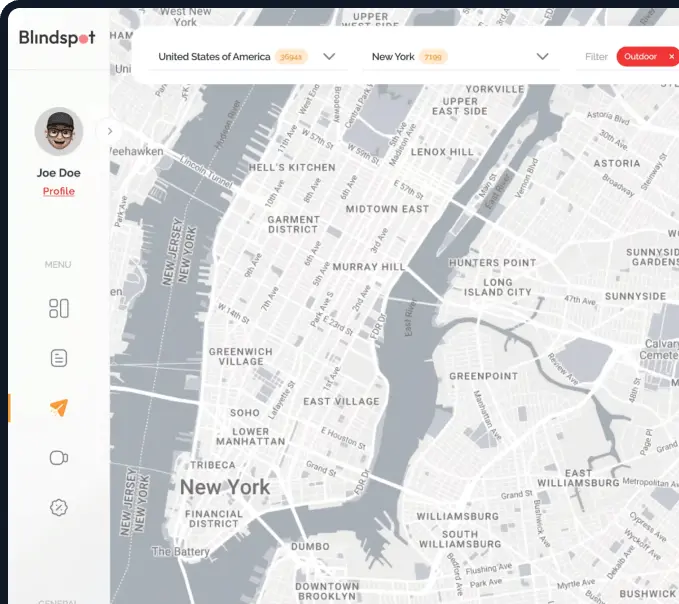
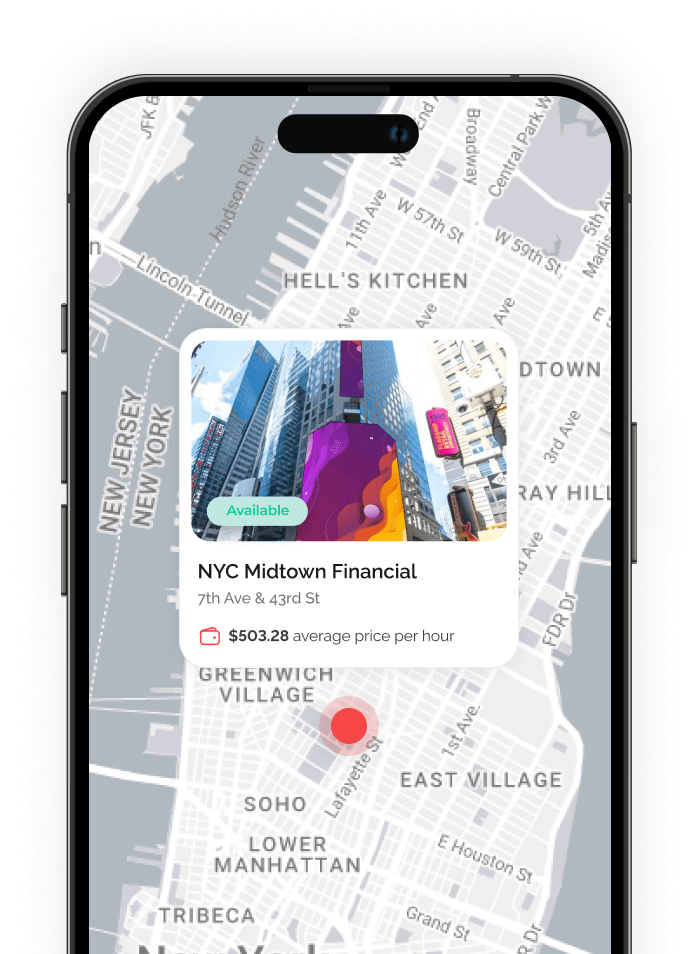
- Browse 300,000+ screens across 36 countries. Filter by location, screen type, audience, and venue category. Whether you’re targeting foot traffic in high-visibility LA neighborhoods or eyeing premium placements in the heart of Manhattan, the inventory is searchable and transparent.
- Choose your screens, time slots, and frequency. Select exactly when and how often your ad runs. No mandatory minimums.
- Upload your creative and submit. Blindspot accepts standard digital formats. Once submitted, the review process typically takes 2 business days.
- Go live and track in real time. Once approved, your campaign launches on schedule. A live dashboard shows impressions and delivery as they happen, with a credit-back guarantee if ads don’t play as scheduled.
The entire process removes the gatekeeping that made traditional outdoor media so inaccessible. That said, one question still shapes most buying decisions: what does it actually cost? The answer is more accessible than most marketers expect.
How Much Does It Cost to Buy Digital Billboard Advertising?
Pricing, starting at $2 per slot with no minimum buys, is where programmatic DOOH through Blindspot genuinely disrupts the traditional model. Rather than negotiating four-week contracts with a minimum spend locked in, you’re working with a slot-based system where campaigns can start at $2 per slot — and there’s no minimum buy required.
That entry point doesn’t mean all inventory is priced the same. Pricing scales based on three primary factors:
- Location — A high-traffic corridor in a major metro costs more than a suburban venue
- Screen size and format — Larger, higher-resolution displays command premium rates
- Demand — Popular time slots and dates naturally drive prices up
The difference between a premium Times Square screen and a niche neighborhood display can be significant. However, that flexibility is the point — you’re choosing inventory that matches your budget, not the other way around.
No agency overhead or long-term contracts mean every dollar goes toward actual impressions. According to Blindspot’s platform overview, credits are issued automatically if your ads don’t play as scheduled — a built-in accountability mechanism that traditional buys rarely offer.
That kind of pricing transparency extends across every screen type available on the platform, which brings up an important question: what kinds of screens can you actually reach?
Types of Digital Billboards You Can Buy Through Blindspot
Now that you understand the cost structure, it’s worth knowing exactly what inventory you’re actually buying into. Blindspot’s network spans 300,000+ screens in 36 countries, which means online billboard advertising options extend well beyond the roadside formats most marketers picture.
Here’s a breakdown of the main screen types available:
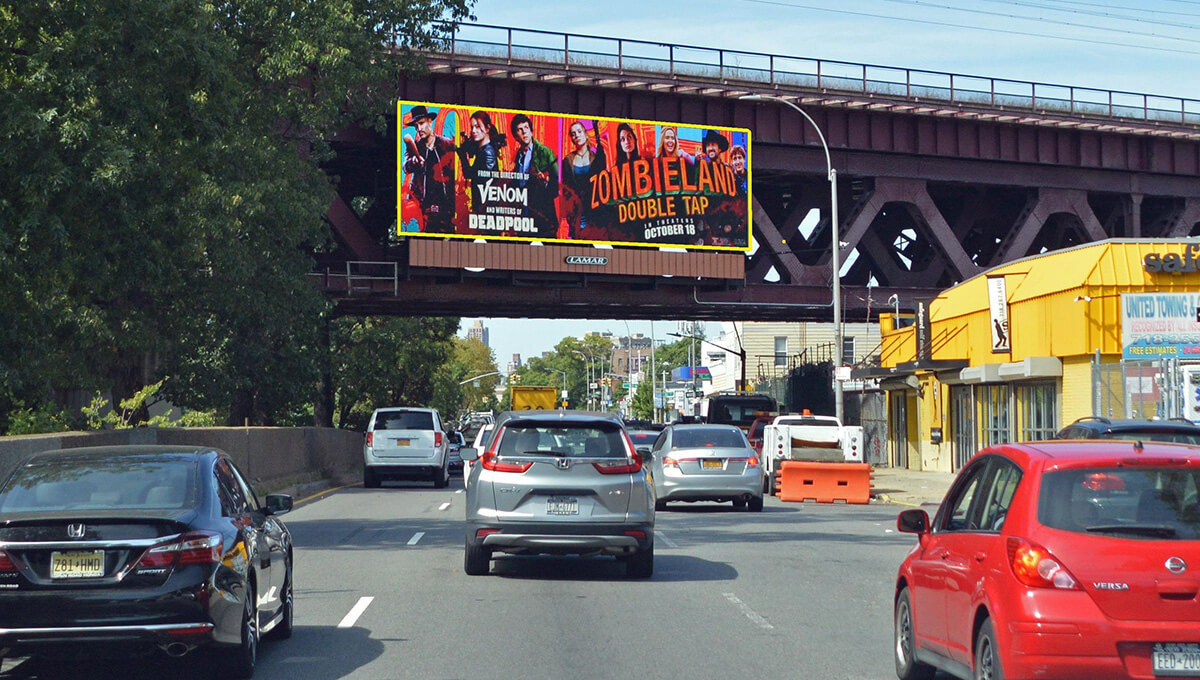
- Roadside digital billboards — High-traffic highways and arterial roads; ideal for broad reach and brand awareness
- Transit and bus shelter screens — Captures commuters and pedestrians at eye level with dwell time to spare
- Office building and retail digital signage — Reaches professionals and in-store shoppers in premium contextual environments
The geographic depth is just as compelling as the format variety. Major U.S. metros are well represented — whether you’re targeting screens across greater Los Angeles or looking to place creative in one of New York’s iconic locations, inventory is available and bookable on demand.
The best DOOH strategies layer formats — combining high-visibility roadside placements with contextual indoor screens to reinforce messaging across a consumer’s full day.
That kind of reach, across formats and borders, is what positions Blindspot differently from platforms with narrower inventory — something worth examining more closely.
What Makes Blindspot Different From Traditional Ad Agencies
Beyond the inventory and pricing advantages covered earlier, the structural differences between Blindspot and traditional agency buying deserve a closer look — especially if you’ve ever dealt with opaque contracts and vague delivery reports.
Direct access to screen operators is the foundation of everything. Blindspot connects advertisers straight to the publishers who own and operate the screens, cutting out the broker layer that typically inflates costs and slows down communication. What typically happens in traditional buying is a game of telephone: your brief passes through multiple hands before a single pixel goes live.
The platform’s real-time dashboard changes expectations entirely. You can monitor impressions, delivery rates, and screen-level performance as your campaign runs — not in a PDF recap three weeks later.
Four specific advantages separate this model from conventional agency relationships:
- Hourly booking instead of four-week minimums
- Transparent, flat pricing with no hidden mark-ups
- Live delivery tracking across every screen in your buy
- Credit-back guarantee if promised plays aren’t delivered — a level of accountability rarely seen in traditional DOOH
That last point is significant. Blindspot’s reviews on G2 consistently highlight delivery reliability as a standout differentiator. Whether you’re running a campaign across high-traffic screens in New York or testing a more local market, you know exactly what you paid for and exactly what ran.
The question then becomes: which types of advertisers benefit most from this model? That’s worth unpacking.
Who Should Buy Digital Billboard Advertising?
Programmatic DOOH isn’t just for Fortune 500 brands with seven-figure media budgets. The self-serve model covered throughout this article opens the door to a much wider range of advertisers — and some of the most effective campaigns come from unexpected places.
Startups and small businesses testing outdoor media for the first time benefit most from Blindspot’s no-minimum structure. Running a short burst campaign in a targeted neighborhood — without committing to a month-long contract — is exactly the kind of low-risk experiment that builds confidence in a new channel.
Agencies managing multiple client accounts can consolidate buying across dozens of campaigns in a single dashboard, eliminating the back-and-forth that traditional media buys require.
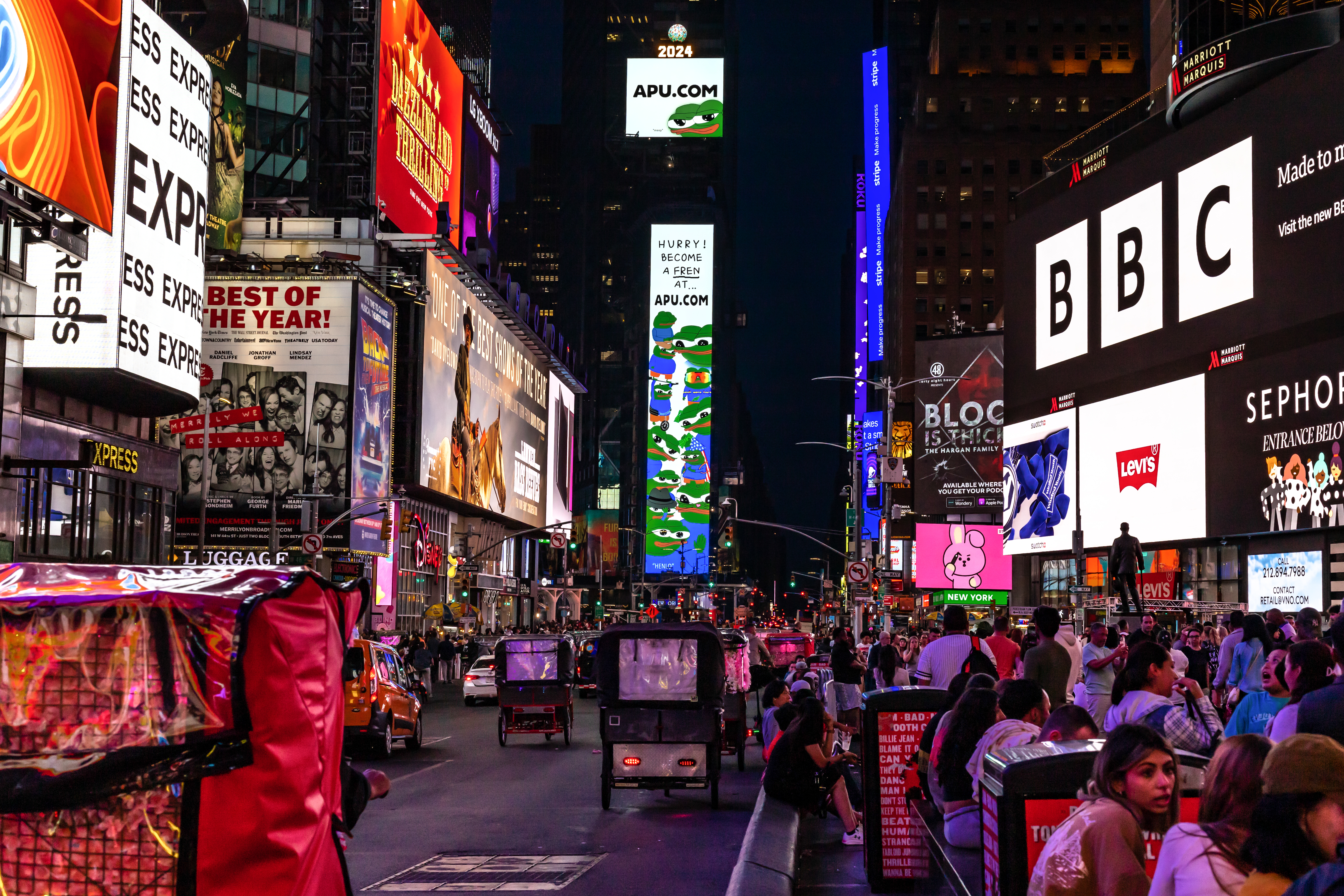
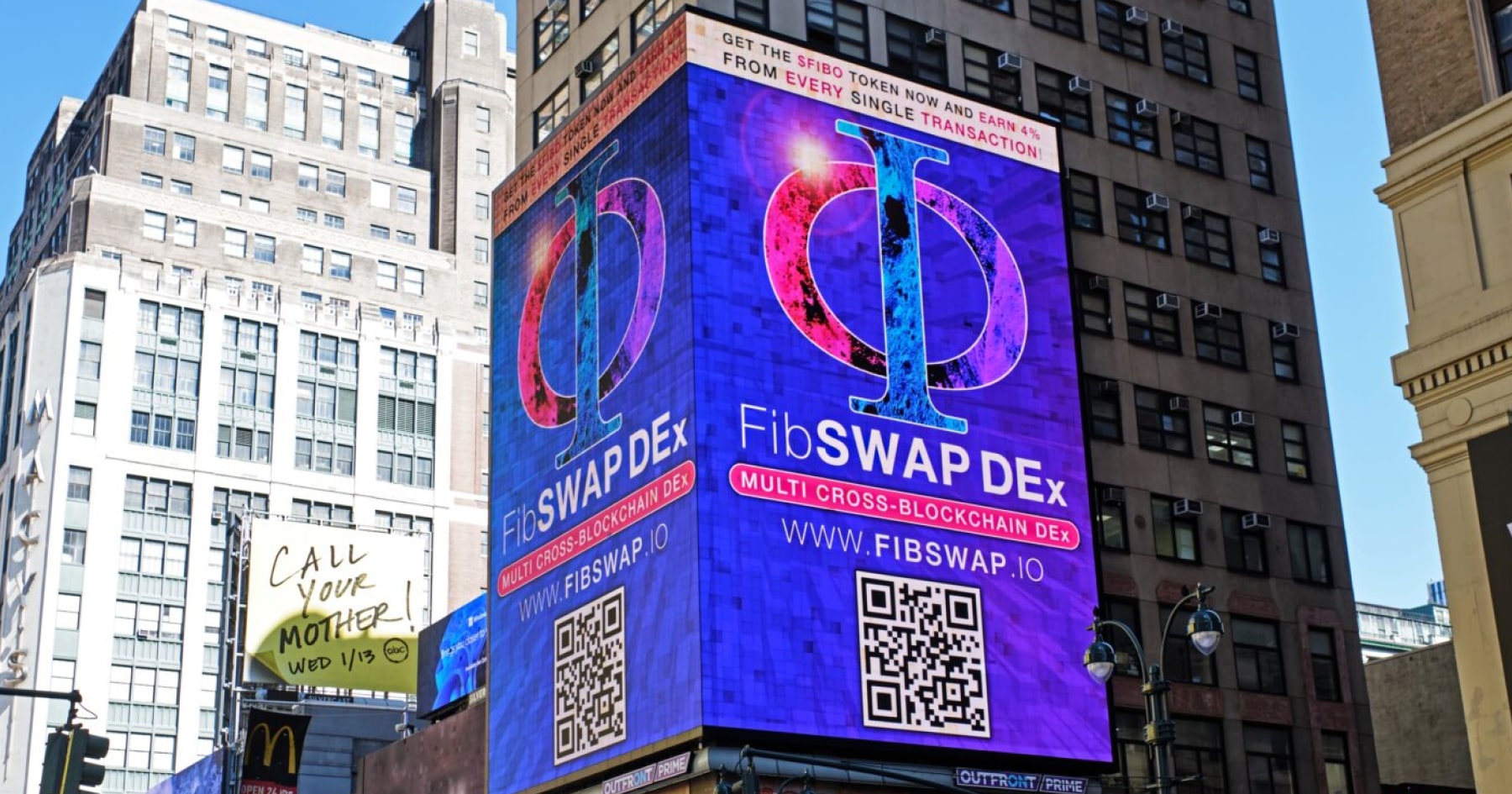
Product and event launches are a natural fit. Time-sensitive campaigns need flexible scheduling, and the ability to go live quickly matters. High-visibility markets like Times Square placements or LA’s busiest corridors create cultural moments that amplify launch energy.
Creators, influencers, and crypto or NFT brands increasingly use DOOH to build real-world credibility fast. A billboard appearance signals legitimacy in a way that digital-only campaigns simply can’t replicate.
If any of these profiles match your situation, the questions you’re likely asking next are practical ones — and those are exactly what the next section addresses.
Frequently Asked Questions About Buying Digital Billboards
What is programmatic DOOH? Programmatic DOOH (digital out-of-home) is automated, data-driven ad buying for physical digital screens — billboards, transit displays, mall screens, and more. Instead of negotiating deals manually with media owners, you set targeting parameters, upload creative, and let the platform handle placement in real time.
How do I measure campaign performance? Blindspot provides a real-time dashboard showing impressions, screen locations, play counts, and spend. Campaigns running in high-traffic markets — like outdoor screens across NYC — often show measurable lift within days. If an ad doesn’t play as scheduled, Blindspot’s credit-back guarantee returns those funds automatically.
Can I run a short-term campaign? Absolutely. There are no long-term contracts or minimum commitments. You can run a campaign for a single day, a weekend, or an entire quarter — whatever fits your timeline and budget.
Is DOOH effective for small businesses? Yes. With pricing starting at $2 per slot and no agency overhead, small businesses can test digital billboard advertising at a fraction of what traditional buying used to cost. High-foot-traffic placements, like screens across LA neighborhoods, become genuinely accessible.
What happens if my ad doesn’t play? Credits are returned to your account automatically — no disputes required.
How long does content approval take? Most creatives are reviewed within a few hours. Once approved, campaigns can go live the same day.
The bottom line: programmatic DOOH has removed every traditional barrier to billboard advertising. Start your first campaign and put your brand in front of the right audience — on your terms, on your timeline.
Key Takeaways
- Location — A high-traffic corridor in a major metro costs more than a suburban venue
- Screen size and format — Larger, higher-resolution displays command premium rates
- Demand — Popular time slots and dates naturally drive prices up
- Roadside digital billboards — High-traffic highways and arterial roads; ideal for broad reach and brand awareness
- Transit and bus shelter screens — Captures commuters and pedestrians at eye level with dwell time to spare