Why DOOH is the New Authority Play for Content Creators
The Algorithmic Ceiling: Why Creators Should Embrace DOOH Advertising
Every content creator has experienced the frustration: you share something remarkable, only for the algorithm to bury it. Reach can be volatile, and engagement might plummet overnight. Platforms often alter their rules unexpectedly, leaving the audience you’ve cultivated over years suddenly out of reach.
This is the challenge of creating on borrowed platforms. Social media networks control the infrastructure, the audience insights, and most importantly, the distribution. Creators pour immense effort into building their audience, yet remain reliant on algorithmic favour to reach them. A single update can drastically reduce your visibility; a policy change can jeopardise everything.
Digital-first creators are increasingly encountering a trust barrier too. Audiences are discerning. Sponsored posts are often ignored, and banner blindness is widespread. Merging creator content with a physical presence significantly enhances audience perception and credibility.
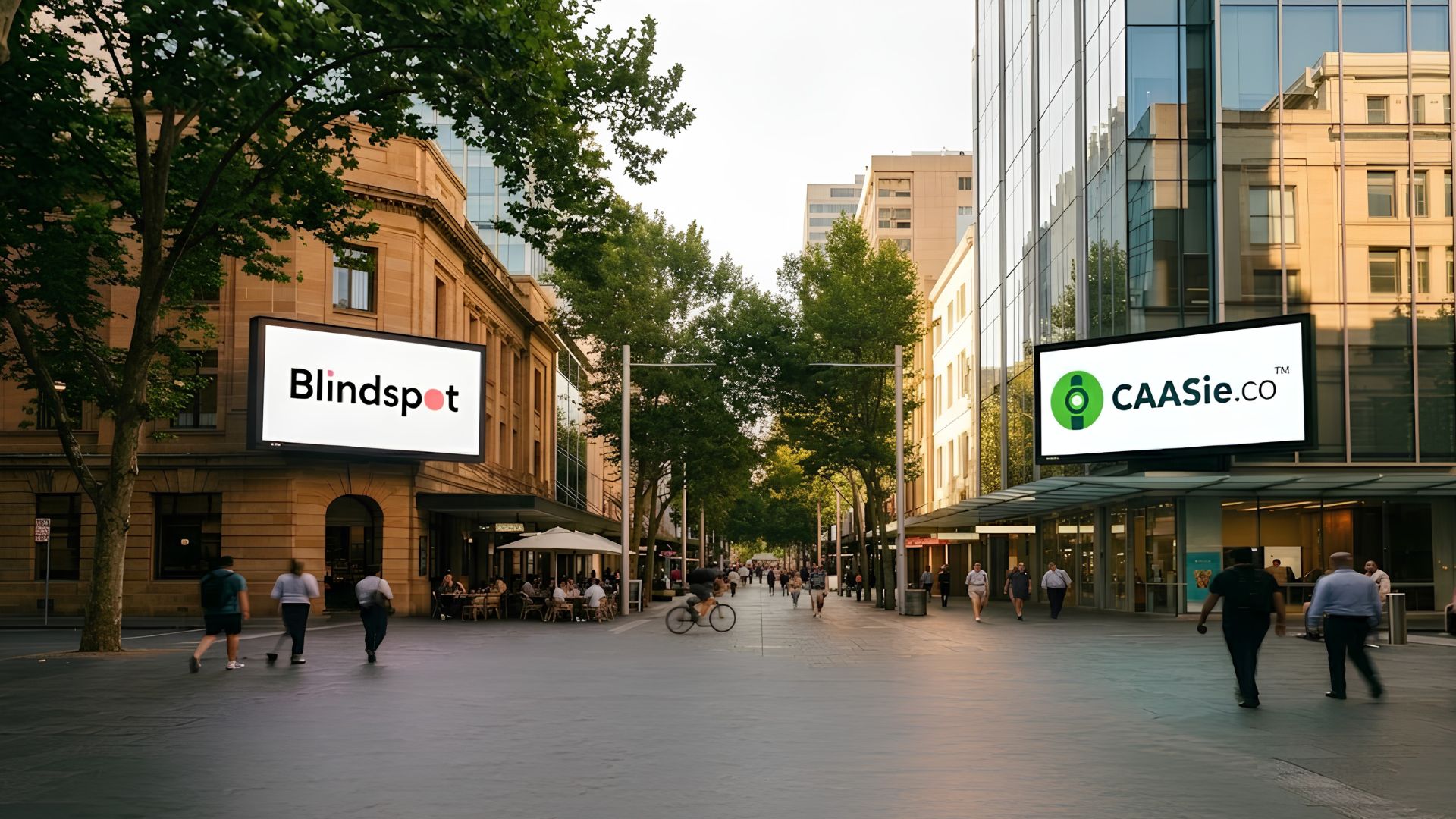
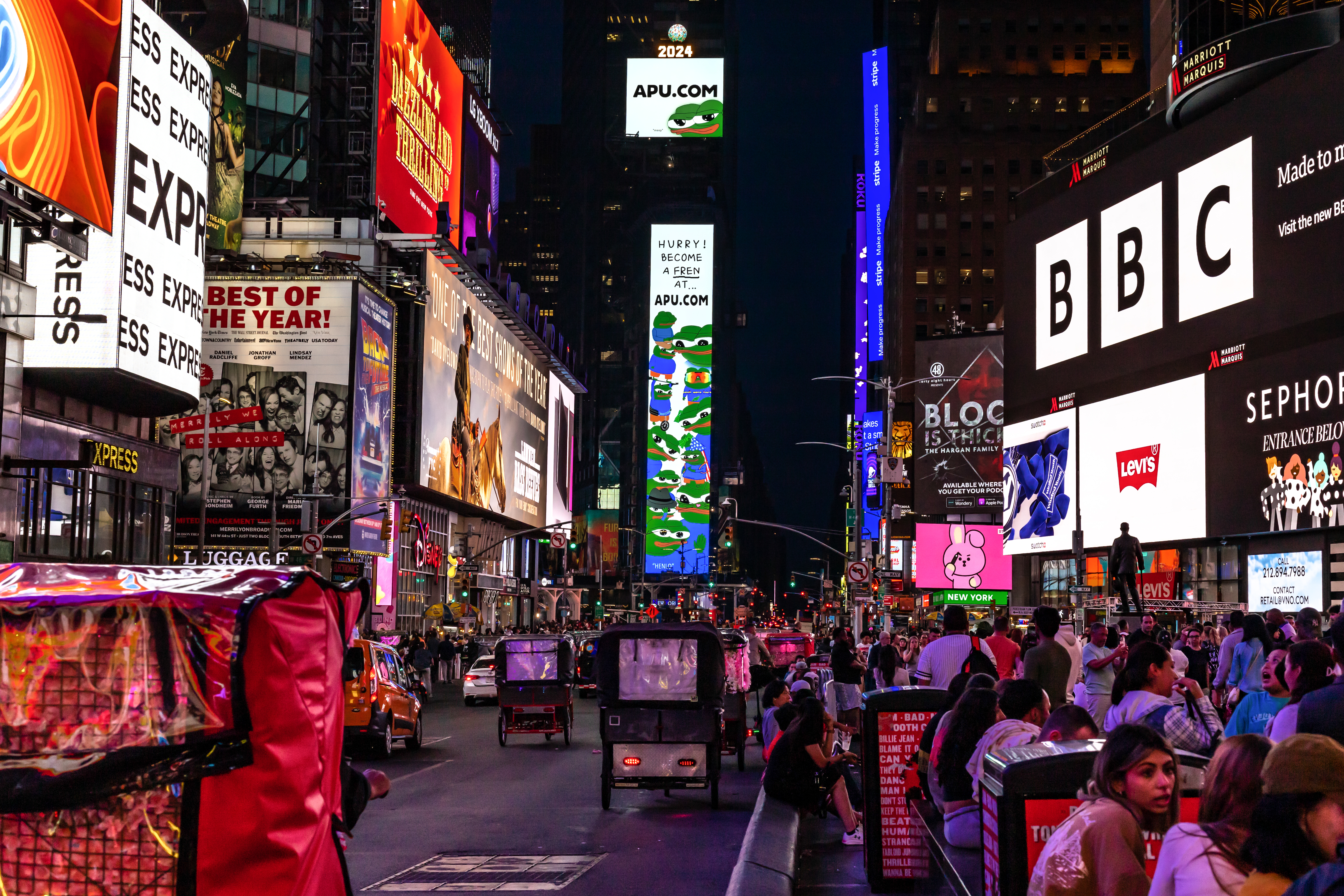
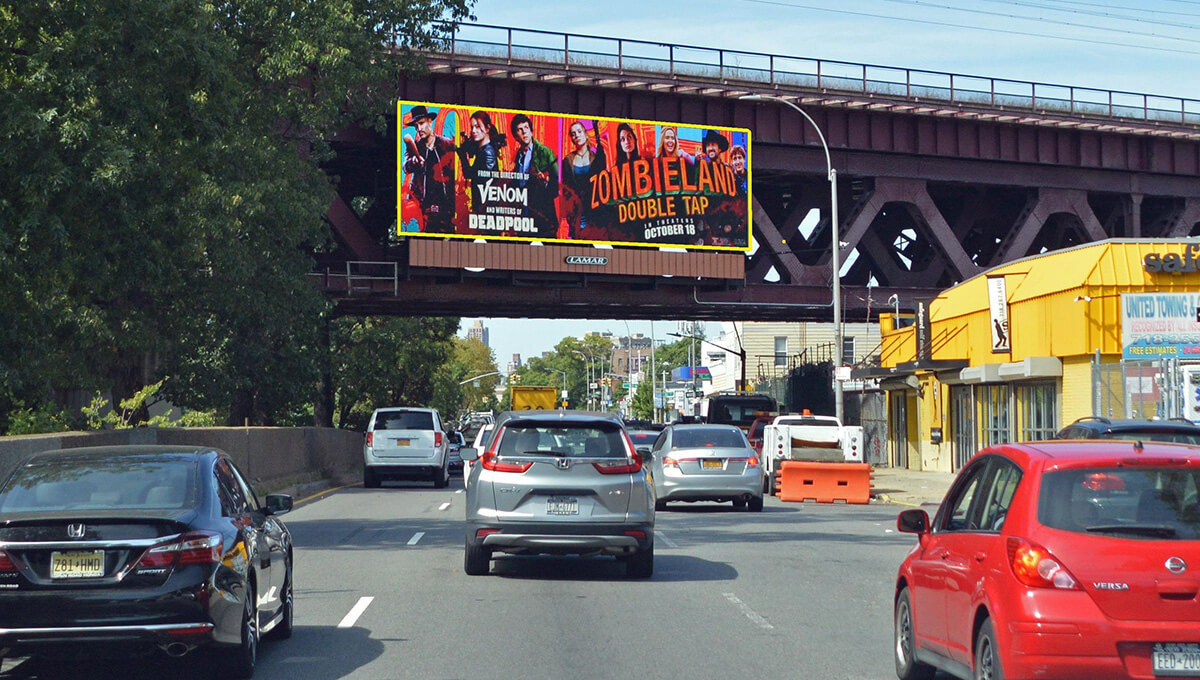
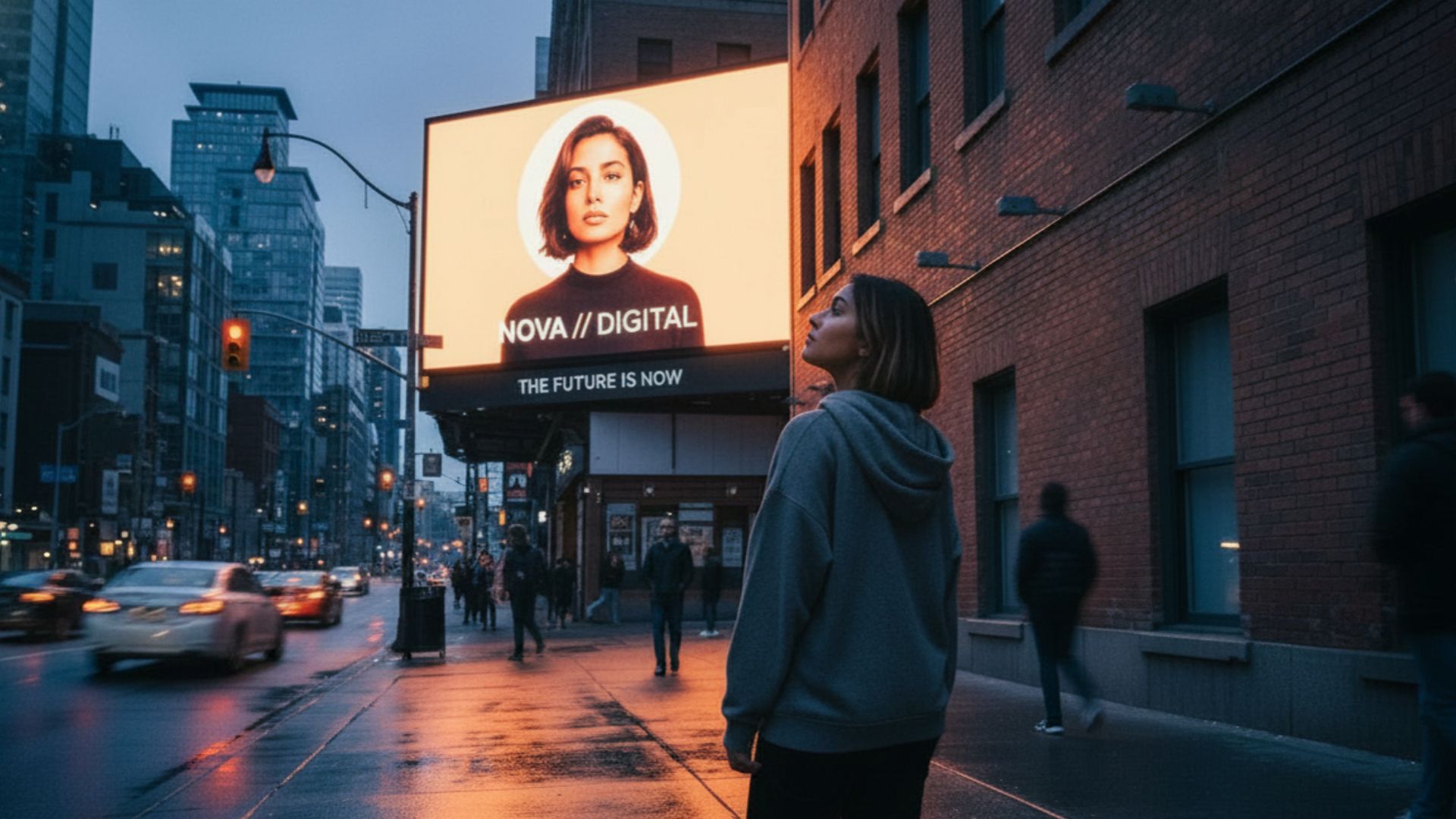
This is where DOOH advertising for content creators becomes a transformative opportunity. Digital Out-of-Home connects the online realm with the physical world, converting online influence into undeniable physical presence through billboards, digital screens, and transport hubs.
Appearing in the real world denotes longevity. It elevates a creator’s status from a transient influencer to a well-known public figure. Our team recently conducted a DOOH campaign over three months, witnessing a 35% surge in digital engagement, showcasing the substantial impact physical presence can have.
The Priming Effect: How DOOH Boosts Social Engagement by 71%
Having established why creators are exploring beyond algorithms, let’s delve into the intriguing psychology of what occurs when they do.
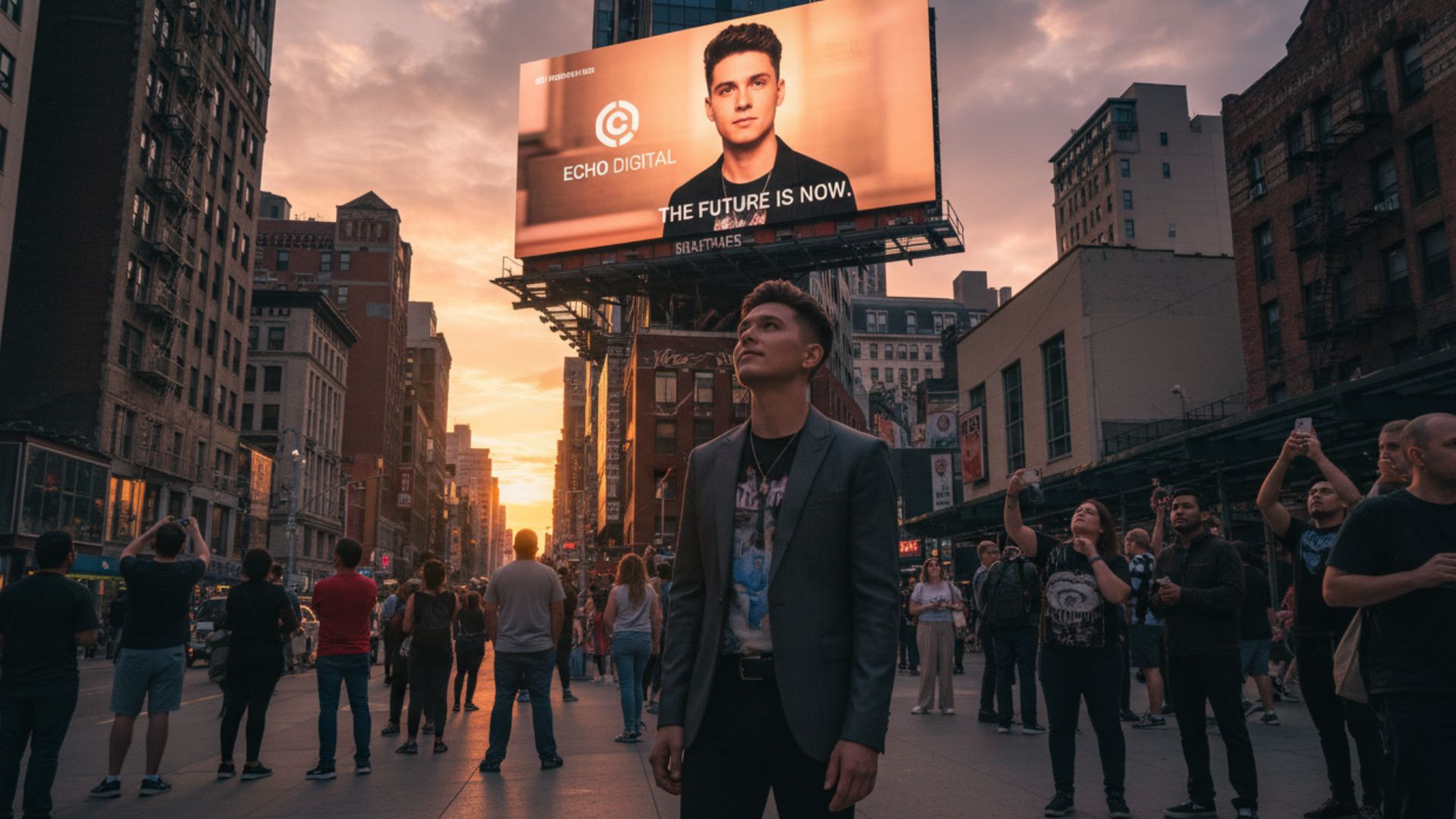
The priming effect, in a multi-channel marketing context, refers to how exposure to one piece of content primes a viewer to be more receptive to related content later on. For instance, when someone sees a creator’s face on a large digital billboard during their morning commute, their brain acknowledges that image as noteworthy. Later, when that same creator appears in an Instagram ad, the viewer doesn’t see it as a disruption but as recognition.
This distinction is crucial. Recognition fosters familiarity, and familiarity builds trust. According to a 2026 industry report, 67% of consumers are more inclined to engage with digital content following an OOH exposure.
Physical presence acts as a proxy for brand stability. There’s an inherent consumer logic: brands visible in the physical world are perceived as more credible, established, and less likely to vanish. Out-of-home exposure significantly amplifies the performance of subsequent digital campaigns, with social engagement increases of up to 71% when OOH and social content are synchronised.
Coordinated timing is crucial – DOOH exposure without a corresponding digital activation is a missed opportunity.
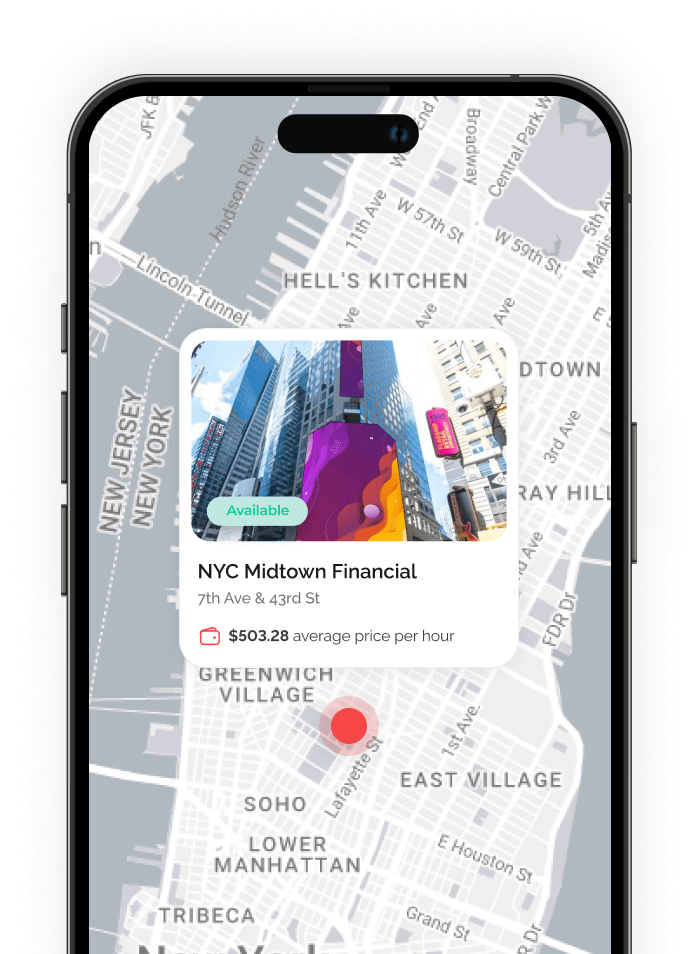
A practical strategy is to schedule a digital content release (a YouTube video, Instagram Reel, or newsletter) within 24 to 48 hours of a billboard launch. Blindspot offers self-service digital billboard booking to simplify this coordination, allowing creators to align their OOH and digital moments with precision instead of guesswork.
This compounding effect not only boosts click-through rates but also shifts something more valuable: how audiences perceive the creator’s authority. This is where the next aspect of DOOH’s potential comes into play.
Public Social Proof: Transitioning from Influence to Authority
Understanding why DOOH enhances social engagement is just part of the equation. The other part is what that physical presence actually signifies to audiences, to brands, and to the broader market.
The ‘Billboard Effect’ and Perceived Legitimacy
There’s a well-documented psychological phenomenon in advertising: consumers naturally associate out-of-home placements with established, credible brands. A creator on a digital billboard is validated. The perception difference between “someone I follow online” and “a brand I see in the real world” is substantial. OOH placements signal cultural relevance in a way that purely digital campaigns cannot replicate.
Appearing in physical spaces elevates a creator from an influencer to an institution.
Winning Over Sceptical and Older Demographics
Social-first content often struggles to engage audiences who distrust algorithmically delivered advertising, particularly those aged 45 and above. DOOH bridges this credibility gap. These demographics encounter digital screens in high-footfall locations, shopping centres, transport hubs, high streets as part of their daily routine, rather than within a social feed they may distrust.
Unlocking High-Ticket Brand Partnerships
For creators aiming for premium brand collaborations, a DOOH track record is increasingly compelling collateral. Brands investing five- or six-figure partnership fees require assurance that a creator possesses genuine authority. Demonstrating a sophisticated media strategy, such as hourly billboard scheduling for content aligned with peak commuter times signals professional-grade campaign thinking rather than opportunistic posting.
This level of strategic execution distinguishes creators who secure transactional sponsorships from those building enduring brand equity. As we’ll explore next, the most effective campaigns share remarkably consistent creative attributes.
The Best DOOH Advertising Campaigns for Creators (And Why They Worked)
Understanding the theory is one thing. Observing how it unfolds in practice offers real insight. The most successful creator-led DOOH campaigns share a common theme: they treat the billboard not as a static announcement but as an engaging piece of content.
UGC in High-Traffic Urban Centres
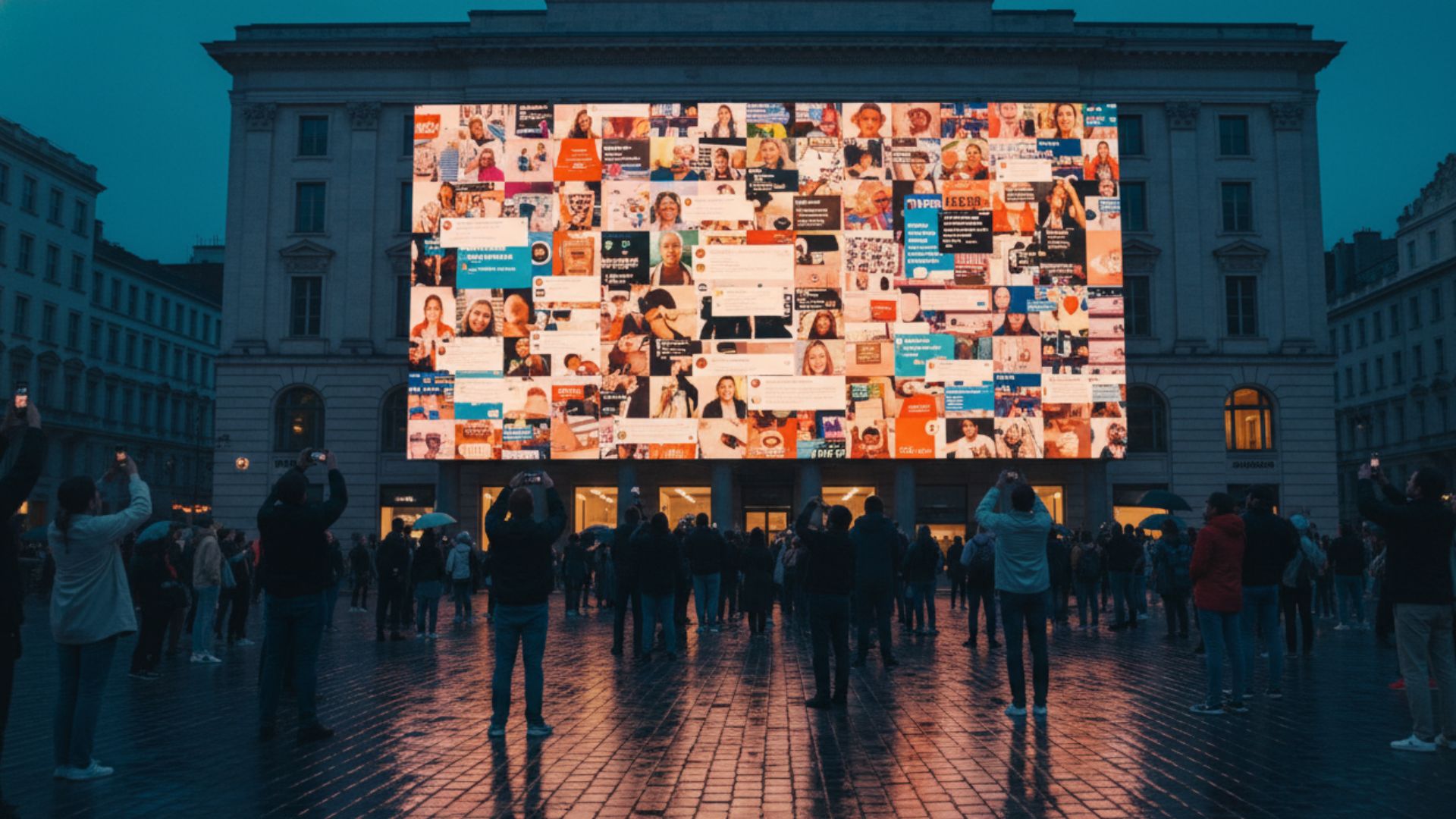
A compelling trend in creator campaigns involves user-generated content displayed in high-footfall areas. Rather than commissioning polished studio visuals, creators curate authentic fan content and showcase it on screens in bustling city centres. This creates a feedback loop: fans generate content hoping to appear on the billboard, which spurs more social posts and increases awareness. As major research into the creator-OOH intersection notes, dynamic, audience-responsive formats consistently outperform static alternatives in engagement metrics.
Real-Time Creative Updates for Live Events
Creators hosting live streams or product launches are using DOOH screens as a second screen experience. Real-time creative updates countdowns, live viewer counts, or chat highlights displayed on a billboard create a remarkable sense of scale. What started as a niche experiment is rapidly becoming a recognised tactic, especially as DOOH’s programmatic capabilities enable swift creative deployment.
Why Authentic Beats Polished on Billboards
Counter-intuitively, raw-edged creator content often outperforms glossy studio productions on outdoor screens. Audiences have been conditioned to distrust overly produced advertising. A creator’s authentic aesthetic, even at large scale appears real, capturing attention because it stands out from surrounding commercial clutter.
The Selfie Moment
“The selfie moment” is arguably the most valuable metric a creator billboard can generate: a fan discovering the screen, photographing it, and sharing it organically extends reach far beyond the physical location.
This is where the infrastructure behind the campaign becomes crucial. Creators need the ability to plan, update, and deploy these moments swiftly which is precisely where Blindspot is revolutionising the field, as we’ll explore next.
Operational Maturity: The Shift to Self-Service and Real-Time Booking
For years, traditional out-of-home advertising was the domain of big-budget brands with long lead times. A six-week booking window, a dedicated media buyer, and a minimum spend that would deter most creators. That infrastructure simply didn’t match the pace at which content creators operate. Today, that barrier has largely been dismantled.
Blindspot has fundamentally altered who can access billboard inventory and how quickly they can activate it. Creators can now book screens by the hour, targeting specific postcodes, times of day, or audience footfall patterns. A fitness creator, for example, might schedule a billboard near a city-centre gym between 06:00 and 08:00 on a weekday morning exactly when their target audience is most likely to pass by. This level of precision was simply unavailable to independent creators even five years ago.
Real-time creative updates DOOH capabilities enhance this agility further. Instead of committing to a static image weeks in advance, creators can push new artwork, alter messaging, or respond to trending moments, often within minutes. It’s akin to editing a post before it goes viral.
The creator who can update their billboard as swiftly as their social feed holds a genuine competitive edge over brands still navigating agency processes.
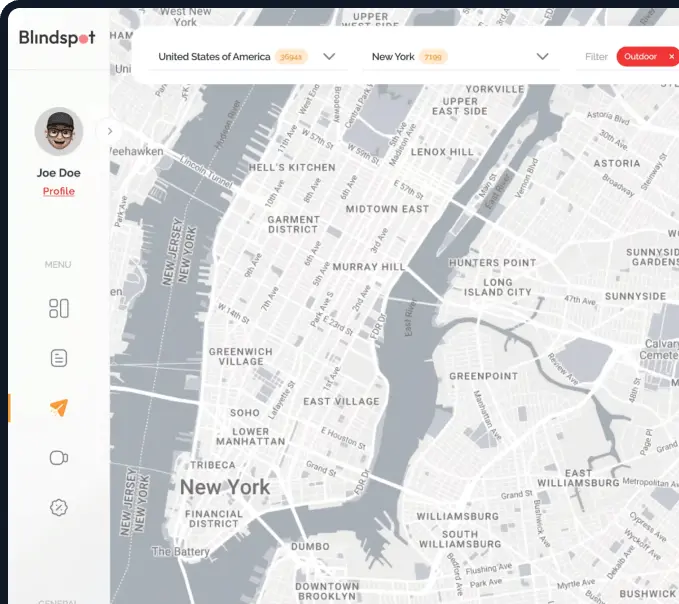
Automated booking also significantly reduces operational overhead. Scheduling, creative upload, and audience targeting can all be managed through a single dashboard, making DOOH a viable tool within a streamlined creator infrastructure rather than a complex logistical project.
The Future of Advertising: Why Influencers and DOOH are a Winning Combination
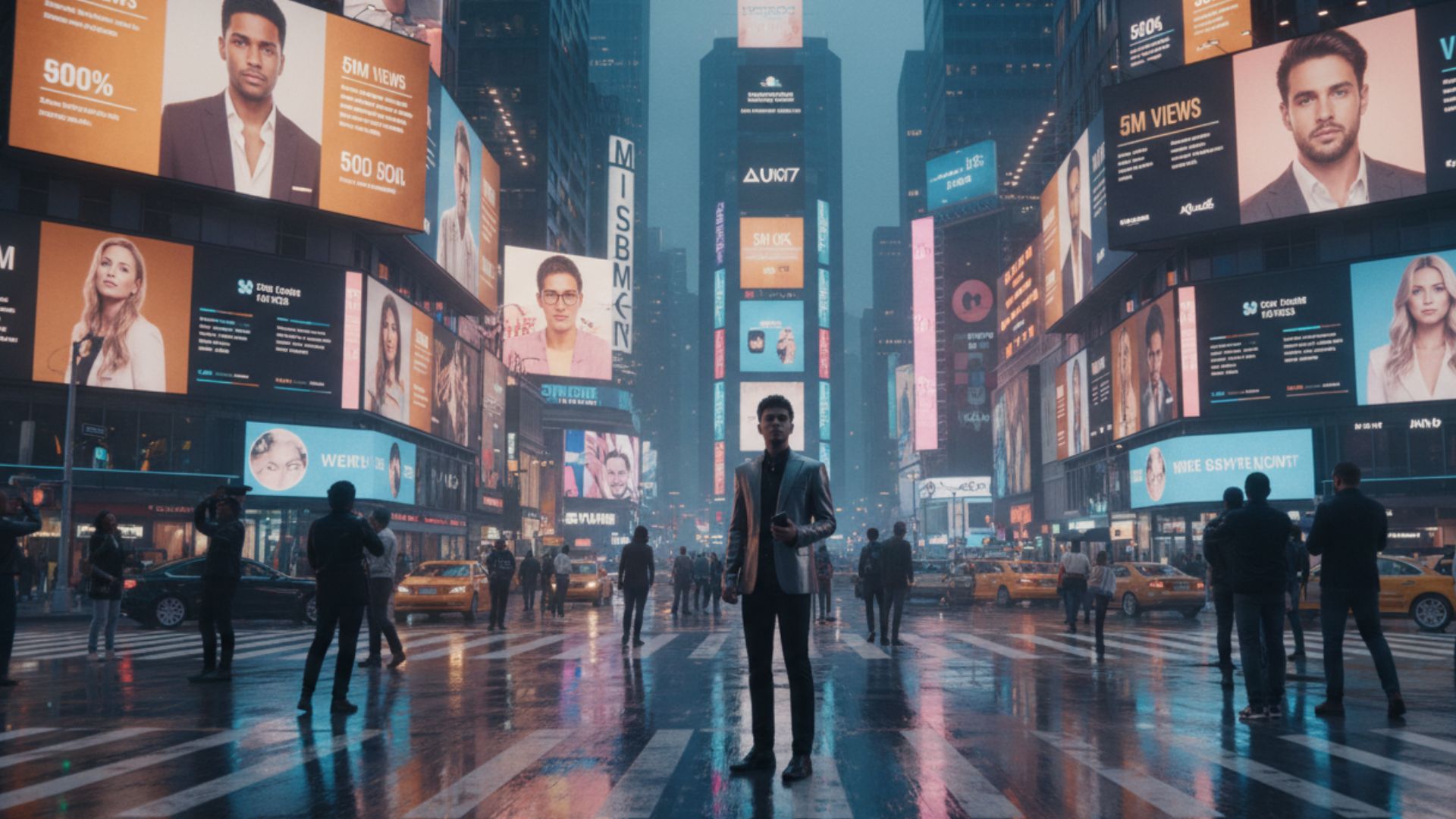
The gap between digital performance marketing and physical brand presence is closing more rapidly than most creators realise. As measurement technology advances, influencer DOOH campaigns are a measurable, repeatable component of the modern creator’s toolkit.
Programmatic DOOH represents the next authentic frontier for performance-focused creators. The ability to blend mobile device data, footfall analytics, and post-exposure online behaviour means that a billboard in Manchester can now be linked to an online conversion event. DOOH consistently boosts brand search and app engagement in ways traditional social impressions struggle to achieve. This is a compelling data point for creators pitching to brands.
For creators planning their first OOH campaign, the practical advice is clear:
- Start with a single, high-footfall location rather than spreading budget thin
- Design content for distance first – bold visuals, minimal text, clear brand marks
- Document the placement thoroughly for cross-channel content amplification
- Set realistic attribution expectations – influence here is directional, not always direct
Frequently Asked Questions About DOOH for Content Creators
What are the main benefits of DOOH for influencers?
The benefits of DOOH for influencers extend beyond mere novelty. Digital out-of-home advertising enhances credibility, bridges the gap between online and offline audiences, creates shareable real-world moments, and positions creators as serious brand partners rather than solely social-native promoters. It also diversifies income streams and bolsters long-term brand authority.
Do I need a massive following to access DOOH campaigns?
No. Creators with various audience sizes are finding pathways into DOOH. Brands increasingly value niche, highly engaged communities over sheer follower counts.
Is DOOH only suitable for large cities?
No. Digital screens are increasingly present in regional towns, shopping centres, transport hubs, and leisure venues across the world, offering more flexible geographic targeting than ever before.
What content works best on DOOH screens?
Bold visuals, minimal text, and clear messaging perform best. Think of it as distilling your personal brand into its most confident, immediate form, the physical world rewards clarity above all else.
Key Takeaways
- Start with a single, high-footfall location rather than spreading budget thin;
- Design content for distance first – bold visuals, minimal text, clear brand marks;
- Document the placement thoroughly for cross-channel content amplification;
- Set realistic attribution expectations – influence here is directional, not always direct.