Digital Billboards for Small Businesses: Why UGC Wins Locally
Most entrepreneurs believe digital billboards for small businesses are only for national brands with massive marketing budgets.
That assumption is wrong. In fact, overly polished billboard ads are often the fastest way for a small business to blend into the background. Highly produced visuals look like ads, and people are exceptionally good at ignoring ads.
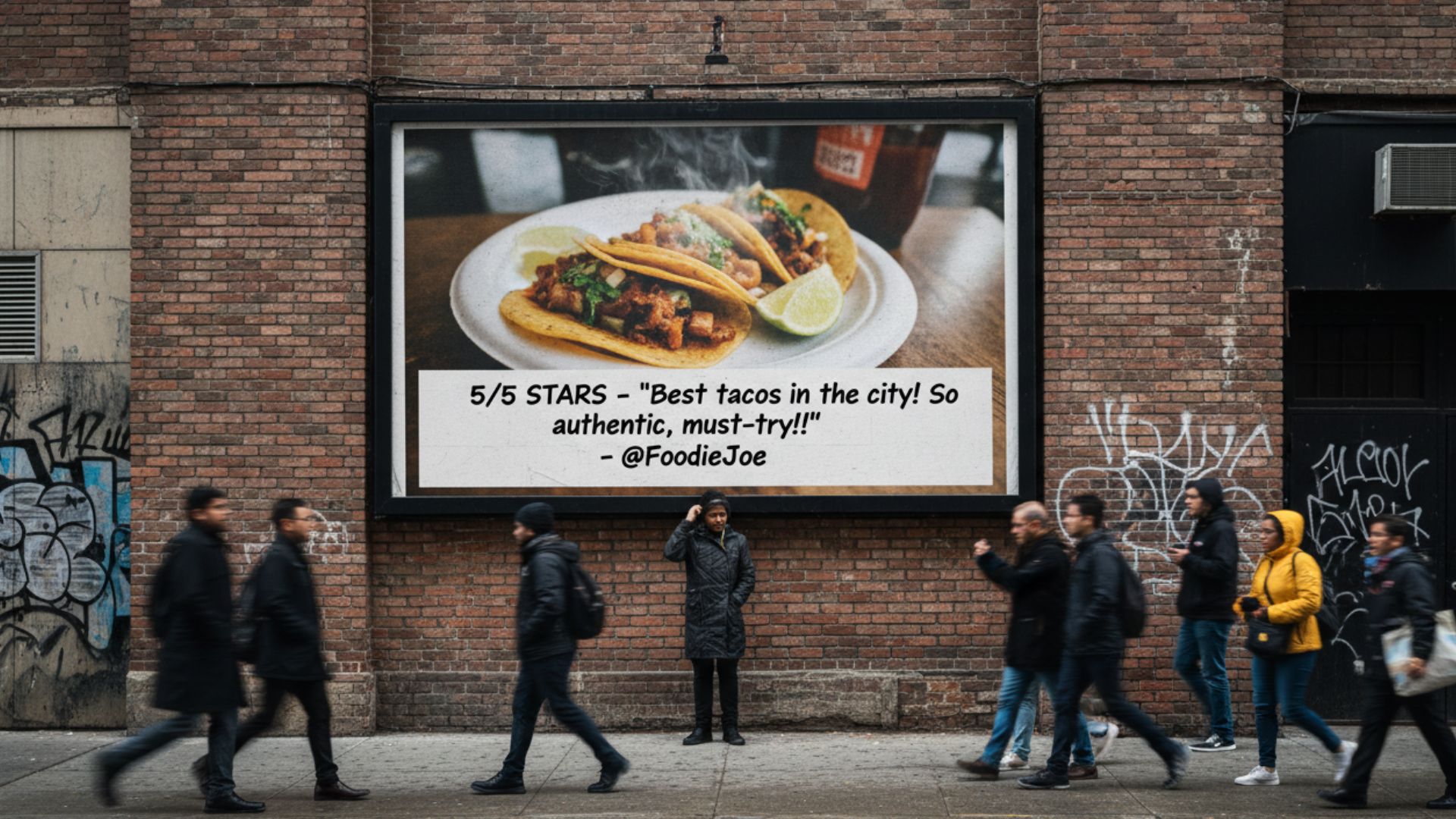
What actually works on digital billboards for small businesses is the opposite approach: real customers, raw photos, screenshots, and local social proof. Content that feels human, familiar, and credible consistently outperforms generic brand messaging.
This guide breaks down how small businesses can use user-generated content, hyper-local digital billboards, and authentic customer proof to outperform competitors without overspending.
Your Best Creative Is Already in Your Camera Roll

Customers capturing moments at your storefront or sharing experiences on social media provide more impactful advertising than polished agency campaigns. Digital billboard campaigns resonate deeply when they incorporate this authentic, local content.
Digital billboards, generate significantly higher recall than static formats. Combining this reach with genuine customer voices creates a powerful marketing tool. The photos and reviews in your camera roll are your untapped resources, as local UGC-driven creative demonstrates in the real world.
Review Screenshots
For small businesses, a glowing review is more than just praise; it is self-writing advertising. Screenshots of five-star ratings serve as ready-made digital billboard content that offer authentic credibility, unmatched by agency-produced ads.
Social proof displayed publicly halts people mid-scroll and mid-commute, effectively capturing attention.
Real Customer Photos
Authentic customer photos hold significant value for small businesses in local markets. These candid images, unfiltered and unposed, convey a level of trust that studio photography cannot replicate. In practice, such images often outperform branded visuals by showing genuine experiences. Before planning your next campaign, check your tagged posts — the best creative might already be waiting.
Before and After Visuals
Small businesses can visually compete with big brands through before-and-after content. This compelling format, ideal for high-impact billboard placements, instantly tells a complete story. Transformative photos persuade through contrast, often beginning with a customer’s camera, not a professional shoot.
Why User-Generated Content Builds Trust Faster Than Brand Messaging
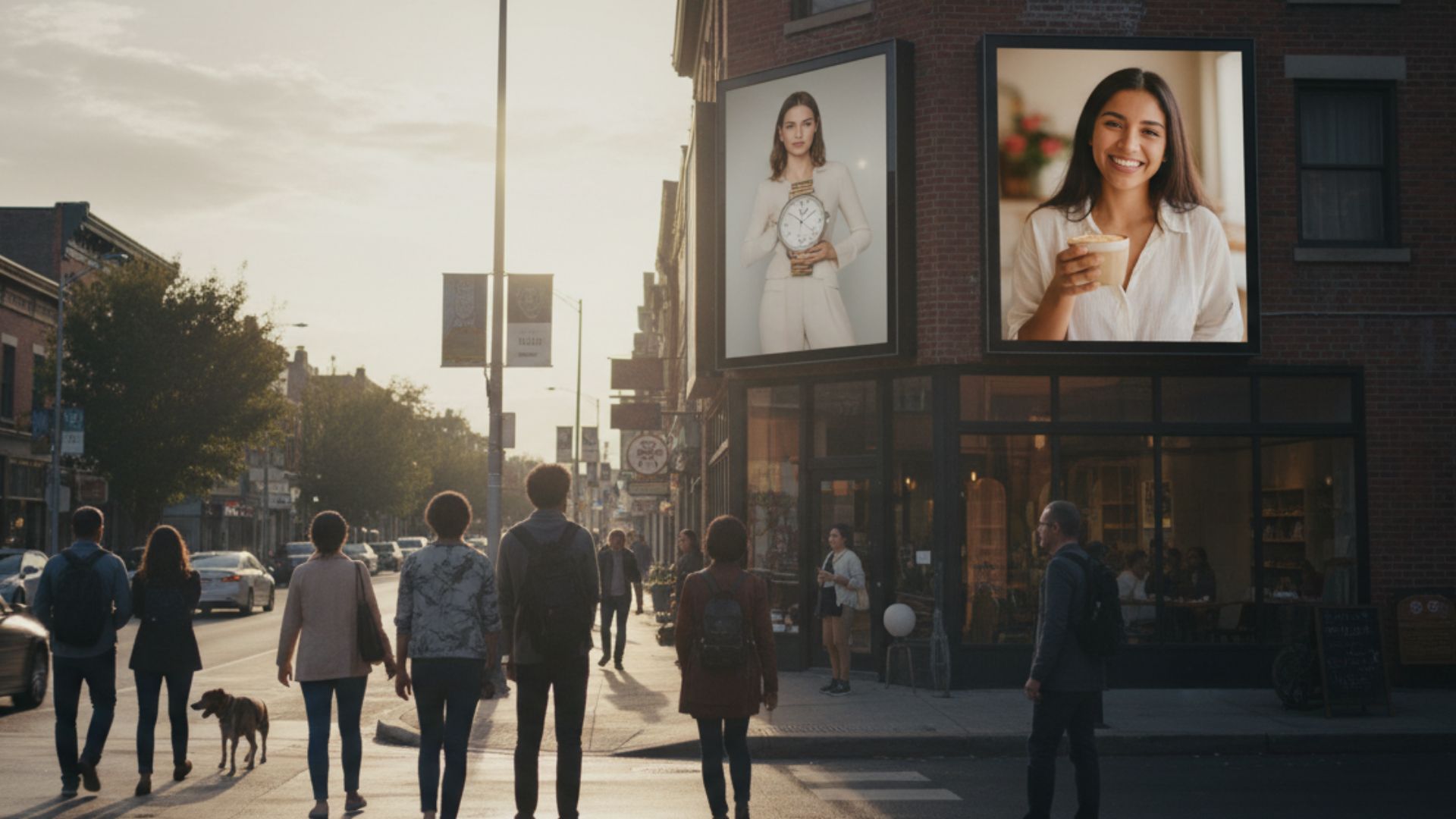
People trust people. 84% of consumers regard word-of-mouth as the most trusted source, surpassing polished brand ads. Authentic peer voices outperform brand messaging during the awareness stage.
Small businesses can quickly bridge the credibility gap by leading with user-generated content (UGC) across all channels, including digital out-of-home placements. Real customer voices transform billboards into recommendations rather than ads, a critical distinction locally.
The “Billboard-Safe” Checklist
Before any creative content goes live, whether a customer testimonial or a property for sale announcement it needs to adhere to a billboard-safety check. Keep text under seven words, ensure high contrast, and confirm the message is clear at highway speed. A common pattern is pairing a bold visual with a single call to action. Simple, fast, and effective.
Win with Hyper-Local Digital Billboards
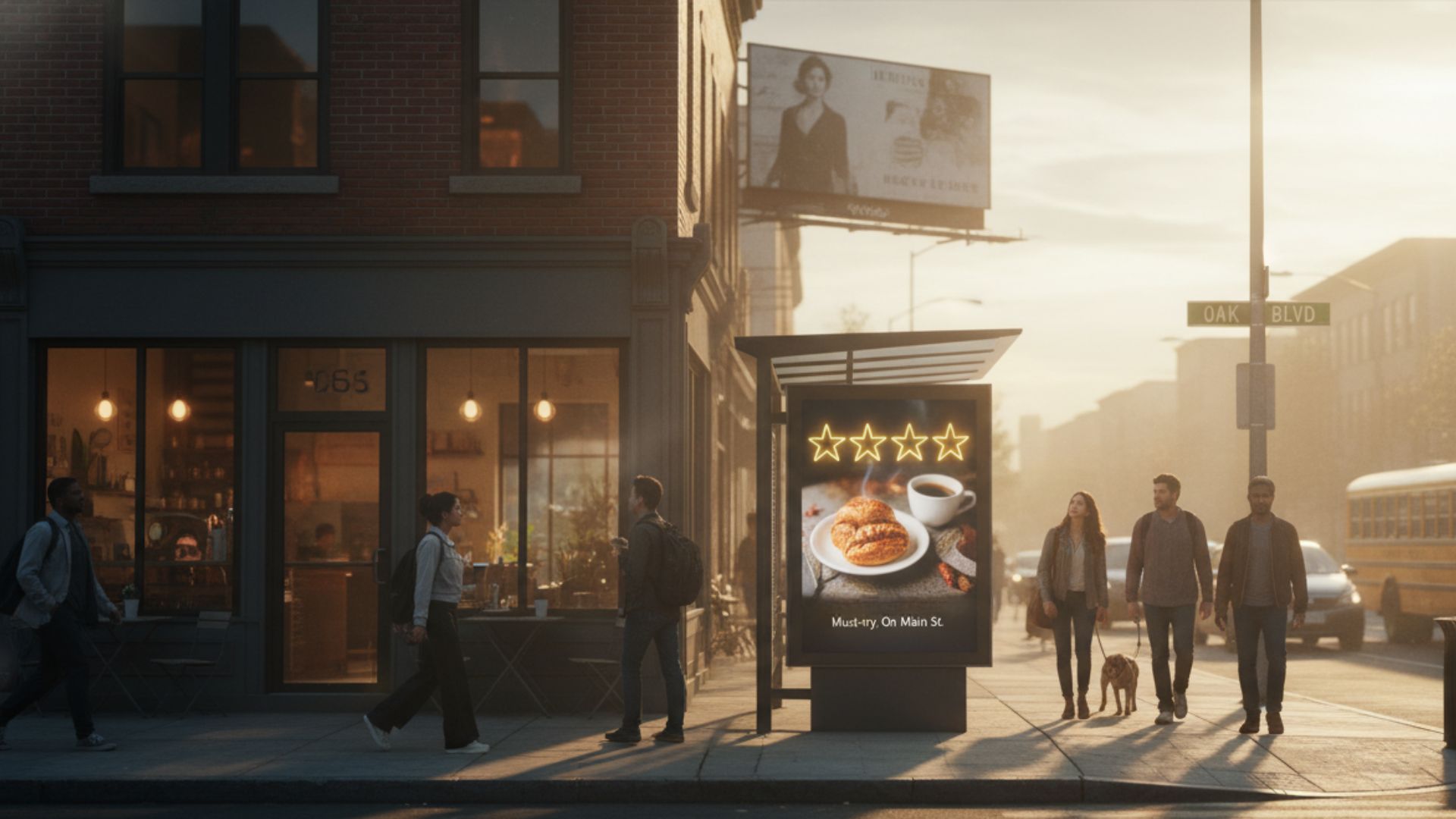
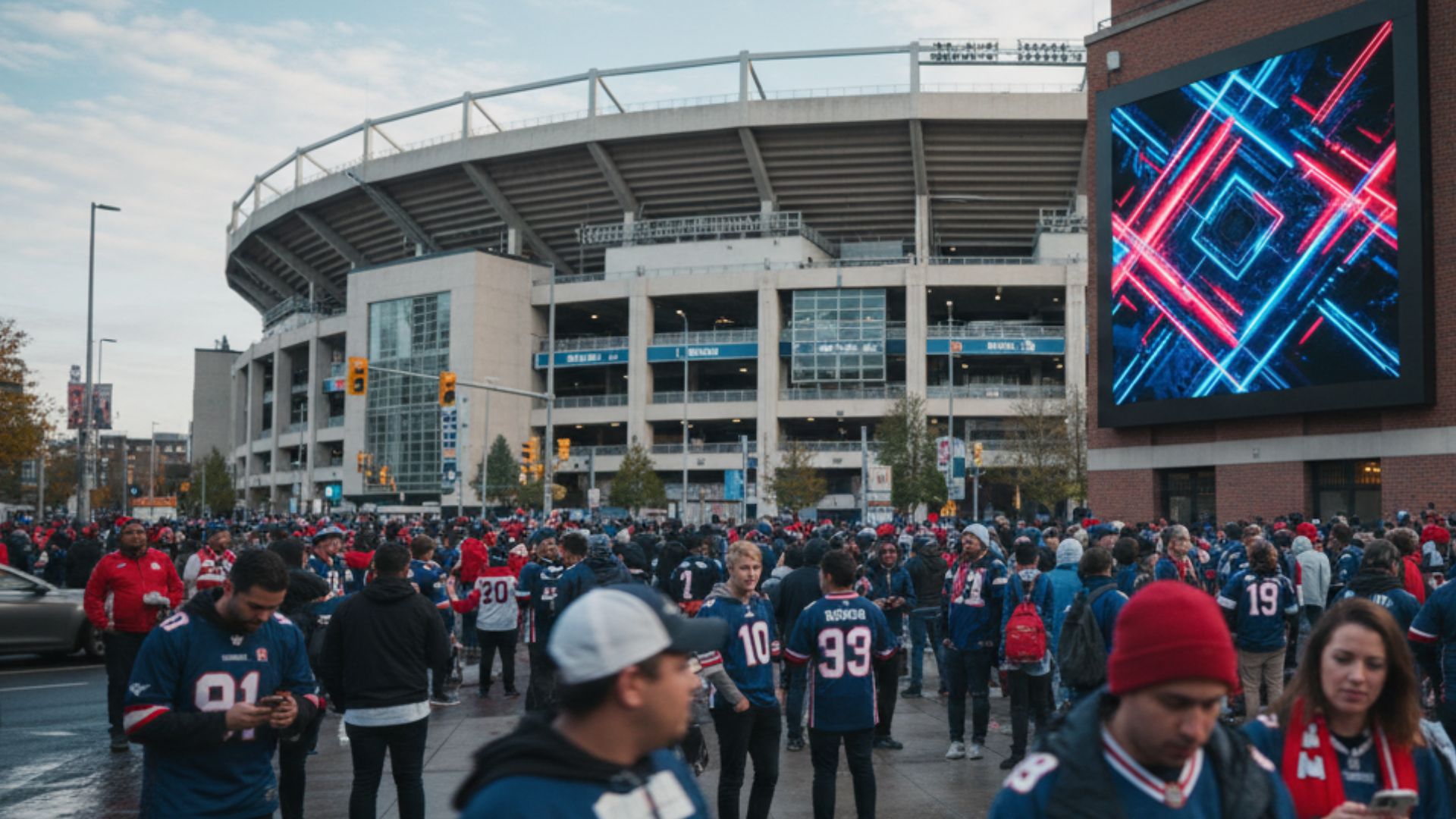
Hyper-local targeting enables small businesses to outmaneuver larger competitors. Digital billboard rental is more cost-effective per impression in strategic geographic zones, allowing neighborhood businesses to dominate their local area without a national budget. Digital formats consistently outperform static placements on recall and engagement, offering scaled-down advantages for local campaigns.
Proximity drives relevance. A billboard two blocks from your storefront, featuring a real customer’s words, carries weight that no broad-reach campaign can replicate. With billboard-safety principles in place, your creative is ready to perform, and understanding what winning creative looks like in practice is beneficial.
What High-Performing Local Billboard Ads Look Like
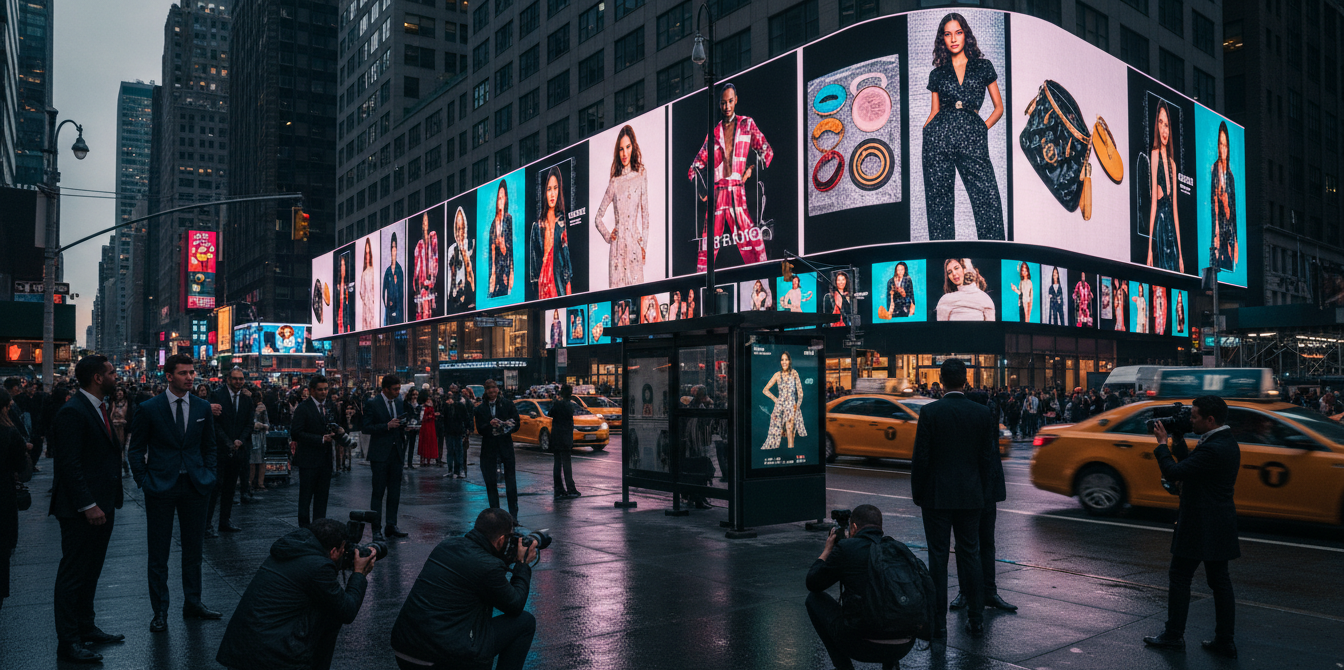
The best-performing local billboard ads have a common structure: one strong visual, a single clear message, and a human face — ideally a real customer’s. Ads featuring faces consistently outperform text-heavy alternatives in recall and emotional response.
Whether purchasing ad time on an existing screen or considering long-term placement, the creative formula remains authentic, local, and instantly comprehensible. This standard distinguishes campaigns that drive foot traffic from those that simply drive past.
Digital Billboards Should Move at the Speed of Your Business
A key advantage of digital out-of-home (DOOH) advertising is real-time flexibility. Unlike static formats, digital displays can be updated within hours, allowing ads to reflect current promotions. Businesses leveraging digital billboard platforms benefit from faster creative turnarounds and improved campaign relevance. This agility enhances results, as demonstrated by a campaign achieving over 2x ROI through timely and contextual messaging. Small businesses that treat their billboard as a dynamic channel consistently outperform passive approaches.
FAQ
How Can Small Businesses Leverage Digital Billboards for Local Marketing?
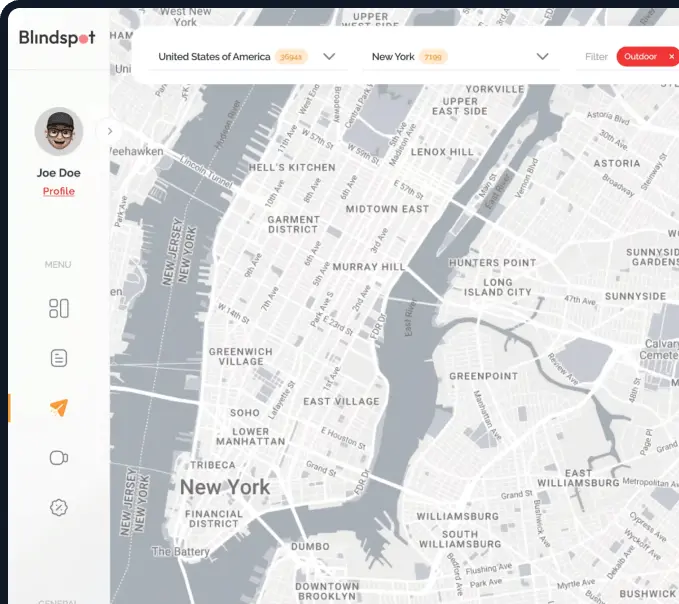
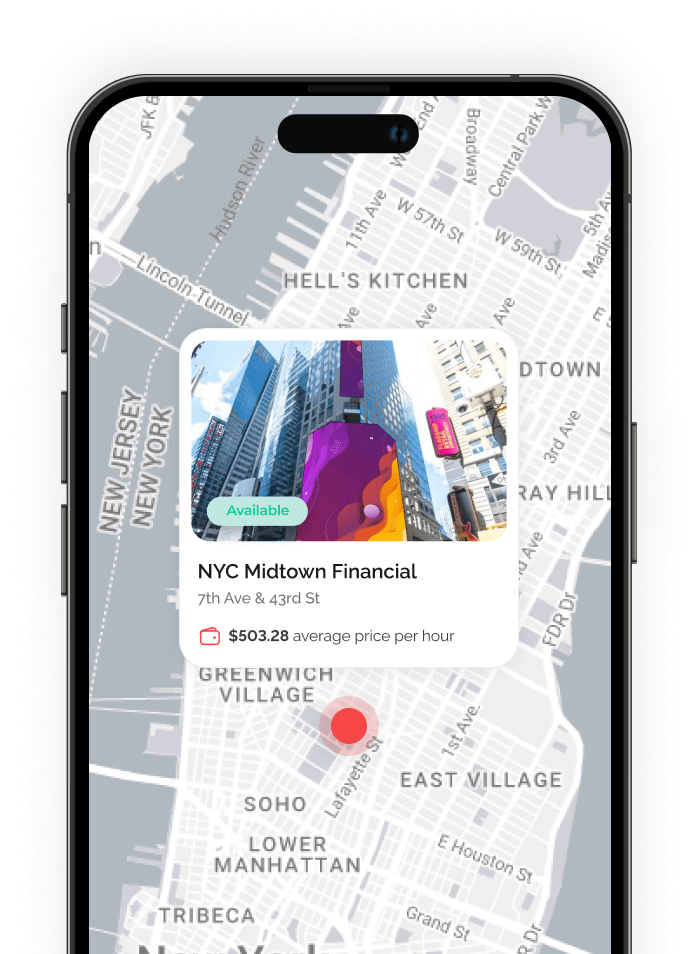
Strategies like real-time updates and authentic UGC creative only succeed when combined with smart placement. Digital billboard rental platforms allow small businesses to purchase time on high-traffic screens by the hour, targeting specific neighborhoods without long-term contracts. According to Billboard Advertising statistics, outdoor advertising reaches consumers closer to the point of purchase than most formats — a key advantage for local businesses. This buying flexibility and contextual scheduling make DOOH accessible on a small-business budget. Understanding cost comparisons against traditional alternatives is important before committing.
What Is the Cost Comparison Between Digital Billboards and Traditional Advertising for Small Businesses?
Billboard advertising costs vary widely, but digital formats increasingly offer better value per dollar. Traditional static billboards typically range from $750 to $14,000 per month, while programmatic DOOH allows small businesses to buy only the slots they need, significantly reducing minimum spending. According to DataCatalyst research, digital advertising levels the playing field for smaller operators who cannot absorb traditional media costs. Flexibility, not just price, is the real competitive advantage, directly shaping creative effectiveness.
Are There Specific Design Tips for Creating Effective Digital Billboard Ads for Small Businesses?
Strong creative is crucial in digital billboard advertising. Limit text to seven words or fewer, as viewers have roughly two seconds to absorb the message. High-contrast colors, bold fonts, and a clear call-to-action outperform cluttered designs. Dynamic elements, like real-time offers or time-sensitive UGC, can drive contextual engagement beyond static creative. Effective design not only captures attention but also converts it into measurable action, leading to the question of how to track that return.
How Can Small Businesses Measure the ROI of Digital Billboard Advertising?
Tracking returns need not be complicated. Use unique promo codes, dedicated landing page URLs, or call-tracking numbers — any lift in these metrics during the campaign window indicates impact.
Businesses exploring digital billboard options should also consider impression data. Operators typically provide verified traffic counts, allowing baseline CPM calculations. Combining CPM with conversion tracking, even through customer surveys asking “how did you hear about us?” clarifies ROI over time. Hourly schedulings help determine which dayparts drive the most response, refining attribution. Knowing what works leads to smart location selection.
What Are the Best Practices for Selecting Locations for Digital Billboards for Small Businesses?
Location is everything. Prioritize high-traffic corridors near your storefront, aligning placement with your audience’s daily routines — commuter routes, shopping districts, or neighborhood intersections. Even a digital billboard rental benefits from strategic signage during its transition period. Pairing smart placement with optimized scheduling strategies ensures every impression counts. Refreshing creative content as often as where it runs is equally important.
How Often Should Small Businesses Update Their Digital Billboard Content?
Frequency matters. Rotating creative assets every one to two weeks keeps content relevant without spiraling production costs. Seasonal promotions, flash sales, and local events naturally trigger updates. Even a small digital billboard rental can maintain visibility and perceived momentum through timely billboard swaps during a transition period.
What is the cost comparison between digital billboards and traditional advertising for small businesses?
Digital billboards offer a surprisingly competitive price point. Traditional static billboards range from $750 to $14,000 per month depending on market size, while digital placements can start lower, especially with flexible, short-burst scheduling. This accessibility changes the equation for small businesses with tight budgets.
How can small businesses measure the ROI of digital billboard advertising?
Tracking billboard ROI doesn’t have to be guesswork. Practical methods include custom promo codes and dedicated landing page URLs, each linking foot traffic or web visits directly to the campaign. Monitoring spikes in Google search volume for your business name during active billboard periods provides another reliable signal. The location you choose will ultimately shape how measurable those results become, leading into the next strategic conversation.
What are the best practices for selecting locations for digital billboard advertising?
Location is the most critical variable in billboard performance. Prioritize high-traffic corridors near your storefront, intersections with frequent stop-and-go traffic, and areas where your target demographic naturally congregates like commuter routes and shopping districts. A well-placed billboard at a busy intersection consistently outperforms a cheaper roadside option.
How can small businesses integrate digital billboard advertising with their online marketing strategies?
Digital billboards are most effective when integrated with other marketing efforts. Pairing billboard exposure with social media campaigns, local SEO, and retargeting ads creates a reinforcement loop, audiences see your brand offline, then encounter it online, improving recall and conversion rates.
A practical approach involves mirroring billboard UGC visuals on Instagram and Google Business posts simultaneously. Consistent creative across channels builds brand familiarity, converting casual viewers into customers.
Integration requires upfront planning, including deciding how frequently billboard content should refresh to remain relevant. We can help you out with that.
How often should small businesses update their digital billboard content?
Fresh content is the key advantage of digital over static billboards. The ideal update frequency for most small businesses is weekly, aligning promotions, seasonal messaging, or rotating UGC with real events.
Digital billboards for small businesses deliver value when content remains fresh. Stale messaging quickly loses impact.
- Daily or hourly: Best for time-sensitive offers, weather-triggered ads, or event countdowns
- Weekly: Ideal for rotating customer photos, testimonials, or promotional cycles
- Monthly: Suitable for brand awareness campaigns with longer shelf lives
The overarching takeaway: authenticity, smart placement, real-time flexibility, and online integration enhance each other. No single tactic wins alone, but together, they significantly level the playing field for smaller advertisers.
Start small, test one location, rotate one UGC post, and measure the response. That’s how local businesses build billboard momentum that scales.