The Foolproof Guide to Winning Fashion Week with DOOH
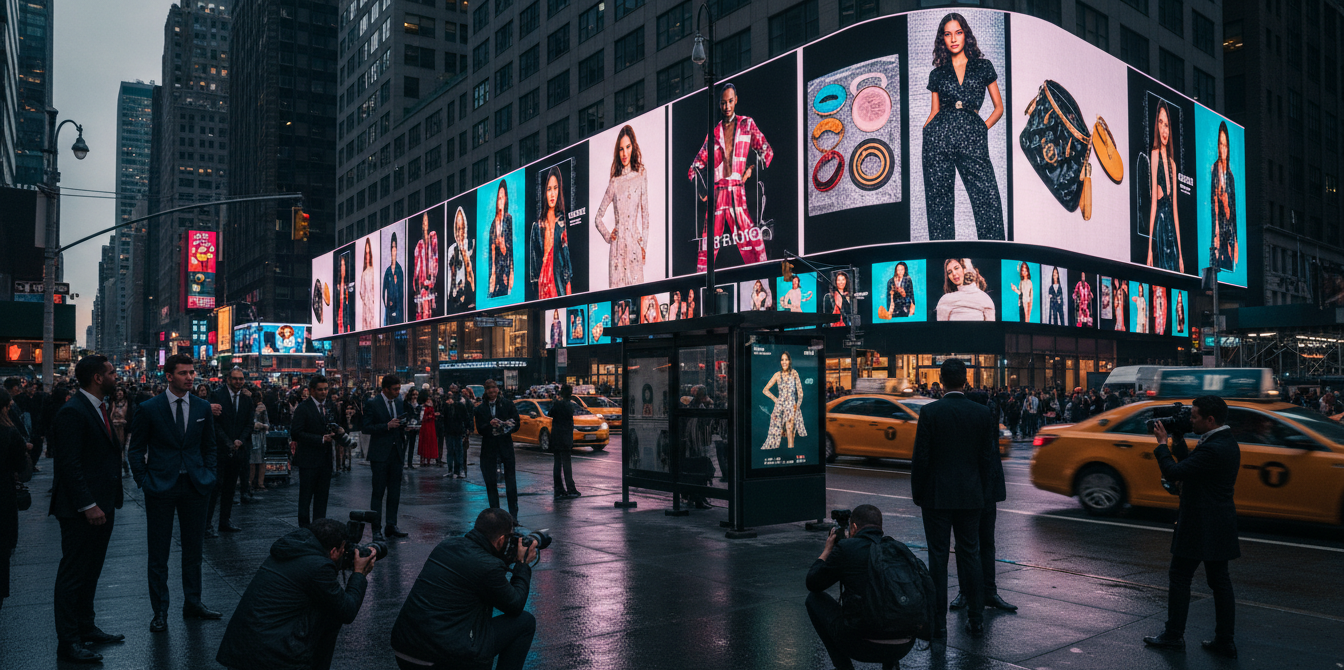
For decades, the fashion industry has been defined by a velvet rope. The “Big Four” (New York, London, Milan, and Paris) were like gated communities. Brands spend six months and six-figure budgets praying for a slot on the official schedule, fighting for a venue, and hoping for a seat at the table. If you weren’t inside the tent, you didn’t exist.
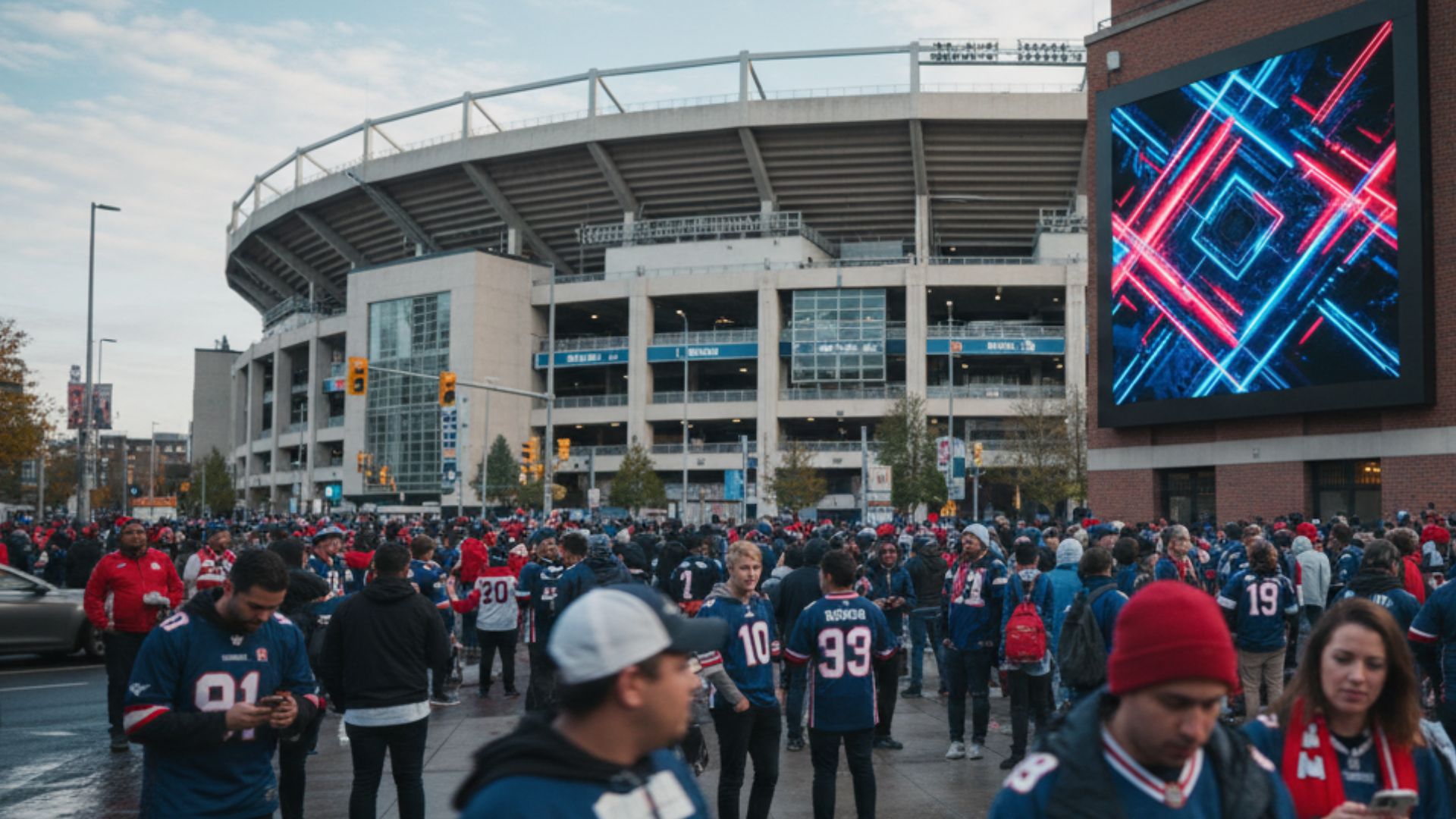
But the lens has shifted. The “event” is no longer just the runway walk, it is the arrivals, the sidewalk strut, the after-party exits, and the chaotic streets. Fashion Week has evolved from a trade event for buyers into a global content engine for consumers.
Today, fashion marketing centers on clothing, collections, and the broader lifestyle that luxury brands and designers aim to promote, using fashion shows and exclusive events to showcase their style and create aspirational experiences.
For brands, whether you are a heritage giant or an e-commerce startup with zero physical stores, this shift has opened a massive door. The audience is no longer stationary. Luxury shoppers and specific audiences are drawn to exclusive events, fashion shows, and immersive experiences that put brands and their clothes in the spotlight, driving interest and engagement. They are moving between shows, scrolling in Ubers, gathering in hospitality corridors, and waiting for tables at restaurants.
If you are only playing on social media, you are fighting for a sliver of attention in a feed that refreshes every second.
Here is your comprehensive guide to turning the city into your very own lookbook.
Why Attention Moved to the Curb
In the “Old World” of fashion marketing, influence started in the editor’s notebook, moved to the department store buyer’s spreadsheet, and eventually landed in a magazine a few months later.
Today, influence floods upward from the street. Trendsetters and influencers now use videos and social media to put brands in the spotlight and drive interest among users, rapidly shaping trends and amplifying brand visibility.
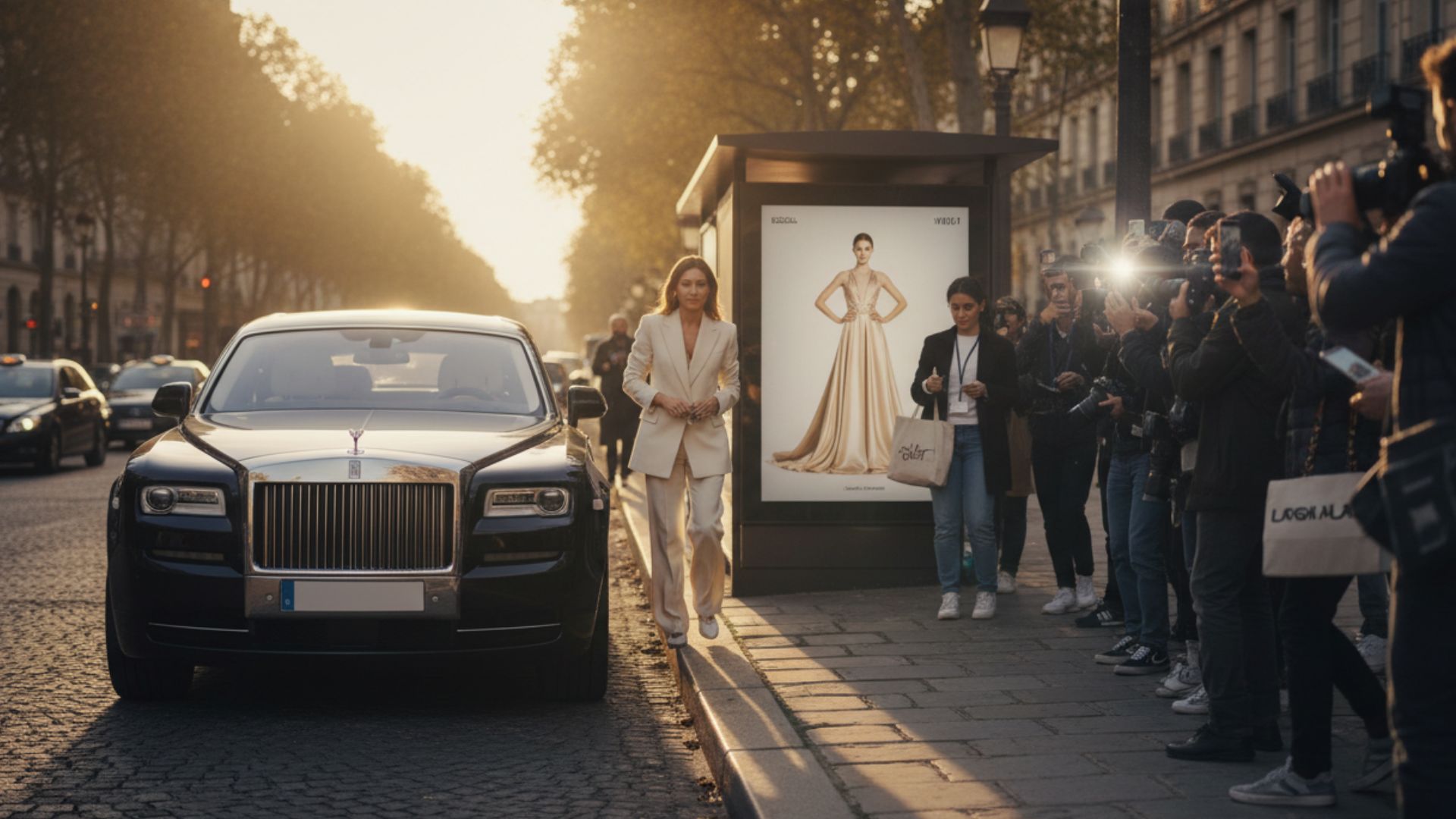
When a celebrity or an influencer steps out of a car in Paris, the photo hits Instagram instantly. The background of that photo is now media space. DOOH allows you to insert your brand into that background. It lets you capture the eyes of the industry leaders (editors, buyers, creative directors) as they move through the city. It allows you to target the “transition windows” such as the 20 minutes between the show ending and the dinner reservation beginning. These campaigns are designed to drive sales by capturing the attention of specific audiences and engaging users in real time.
This is the only channel that creates physical presence at scale.
It’s Always Fashion Week Somewhere
One of the biggest mistakes marketing directors make is thinking of Fashion Week as a twice-a-year sprint. They burn their budget in September and February and go dark for the rest of the year.
But the calendar is global now, and the street runway never closes.
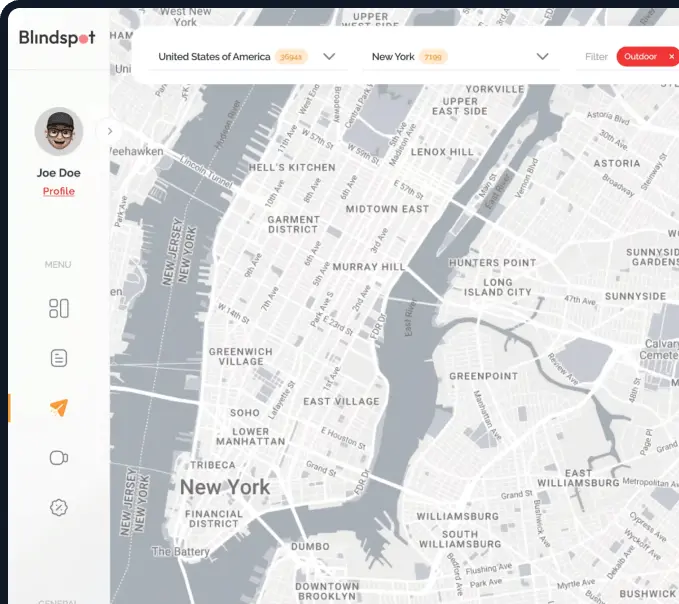
DOOH allows you to treat the fashion calendar like a map of recurring attention zones. By understanding the nuance of each week, you can deploy programmatic campaigns that match the specific energy of the city. Research into different industries and market trends helps marketers identify many ways to reach specific audiences throughout the year, ensuring campaigns are relevant and effective in every market.
The “Big Four” – The Attention Anchors
New York, London, Milan, Paris (February/March & September/October)
These weeks act as the media backbone of the industry. They create predictable spikes of concentrated movement. Luxury brands leverage these events to showcase their latest collections and gain access to influential, trend-conscious audiences.
Your goal here is to show up inside the migration. You want the editor to see your campaign on the way to the airport, outside their hotel, and en route to the show. To maximize visibility during these high-profile events, brands must differentiate themselves from competitors by providing exclusive access points and immersive experiences that highlight their collections.
The “In-Between” Tentpoles
Men’s Fashion Week & Haute Couture (January, June, July)
These weeks attract different audiences and require a different tactical approach.
Men’s Week: This is more trade-focused. Use DOOH to dominate the nightlife districts and showroom corridors.
Haute Couture: This is an ultra-premium halo. Target screens near the luxury hotels and the high-end jewellery districts. These are exclusive events aimed at showcasing the best practices in luxury fashion, where brands highlight their commitment to craftsmanship, innovation, and sustainability.
The High-Intent Weeks
Bridal, Swim (Miami), Cruise/Resort
These aren’t just about cultural hype; they are about business. The audience here isn’t just watching culture; they are actively looking to buy it.
Use creative that drives foot traffic to pop-ups, or showroom visits. These campaigns are designed to drive sales by encouraging consumers to shop at these locations, increasing product sales and overall business revenue.
Global Expansion
Berlin, Tokyo, Seoul, Shanghai, Los Angeles
The barriers to entry are gone. You can run a campaign in Tokyo from a laptop in London. This allows brands to test new markets without opening a physical store. By leveraging targeted digital marketing services and mobile apps, brands can gain access to new users, drive app installations, and measure user engagement in real time. You can “launch” in Seoul for a week, measure the brand search lift, and see if the market bites.
Small vs. Big: Same Channel, Different Goals
Whether you have a flagship on 5th Avenue or you ship exclusively from a warehouse in Ohio, the street levels the playing field. However, your strategic goal for using DOOH will differ. Brands must decide how much they can afford to invest in campaigns, balancing costs with expected returns. At the same time, consumers are often willing to pay more for unique or sustainable experiences, so factoring this into your strategy can help maximize impact.
For Emerging & E-Commerce Brands: The “Gravity” Play
If you are a digital native brand, consumers scroll past you. They aren’t sure if you are a real company or a dropshipping scam. A billboard creates Gravity.
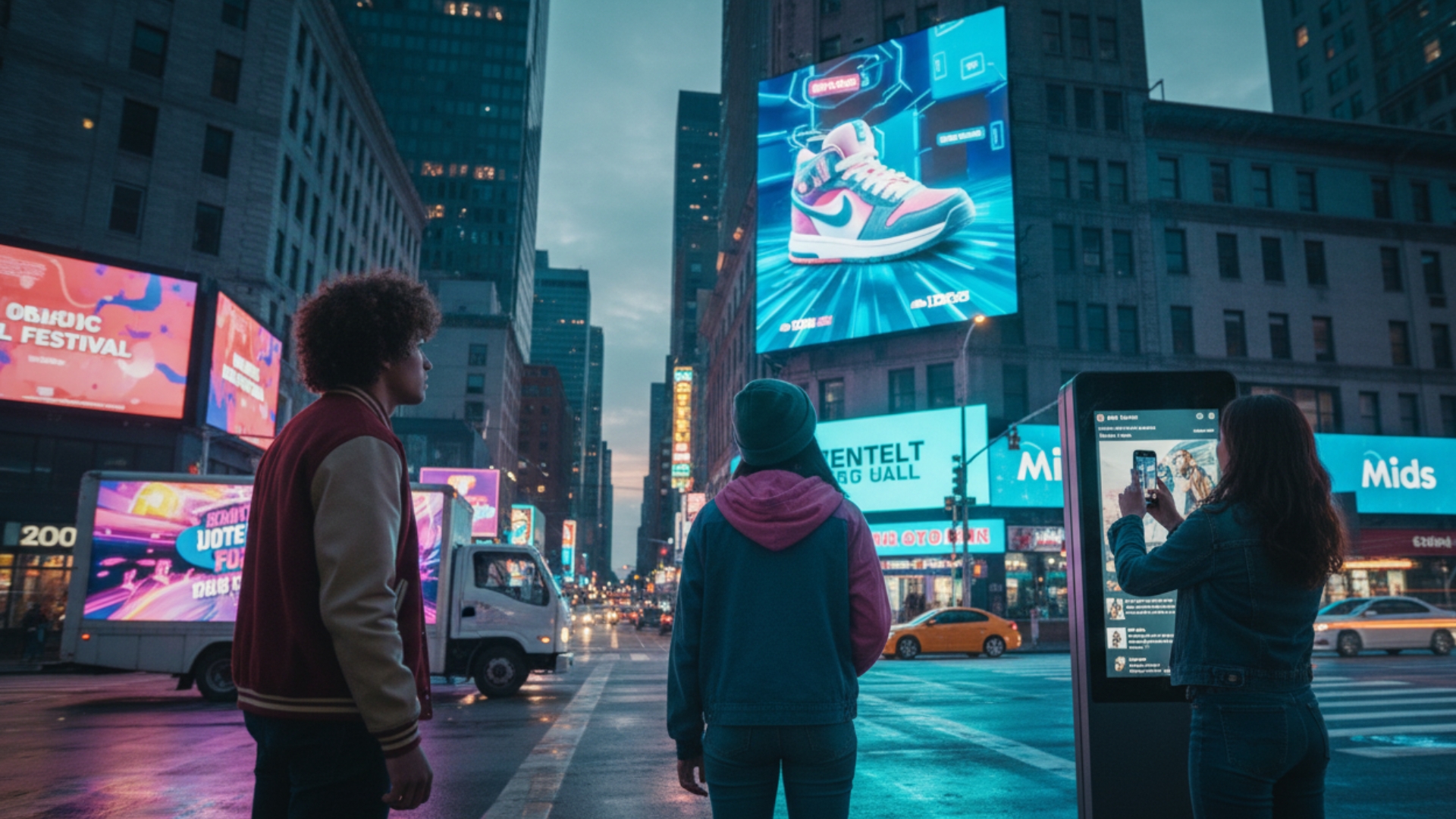
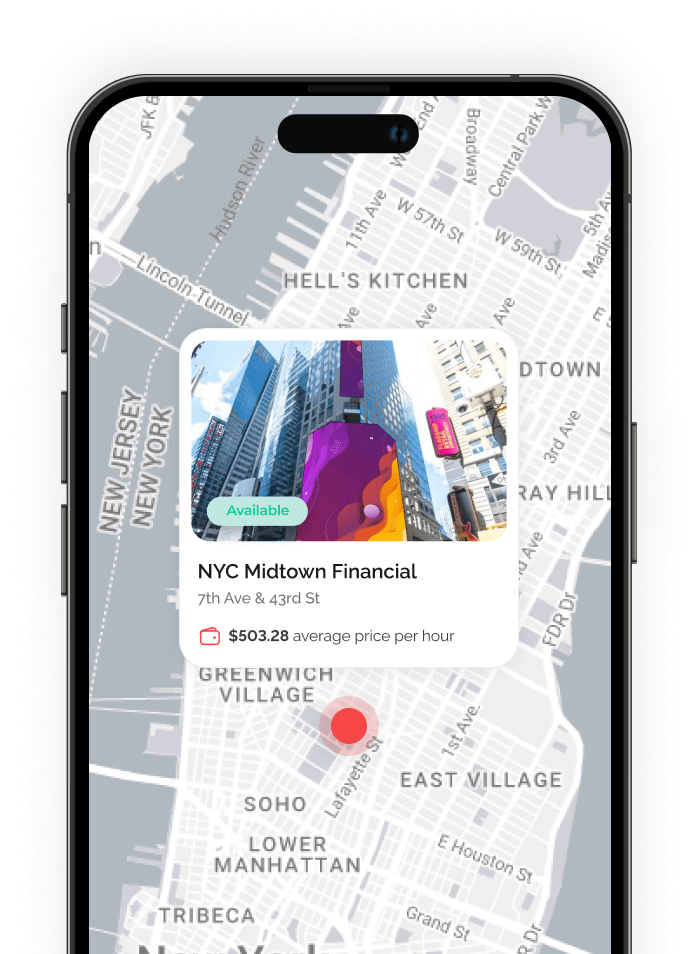
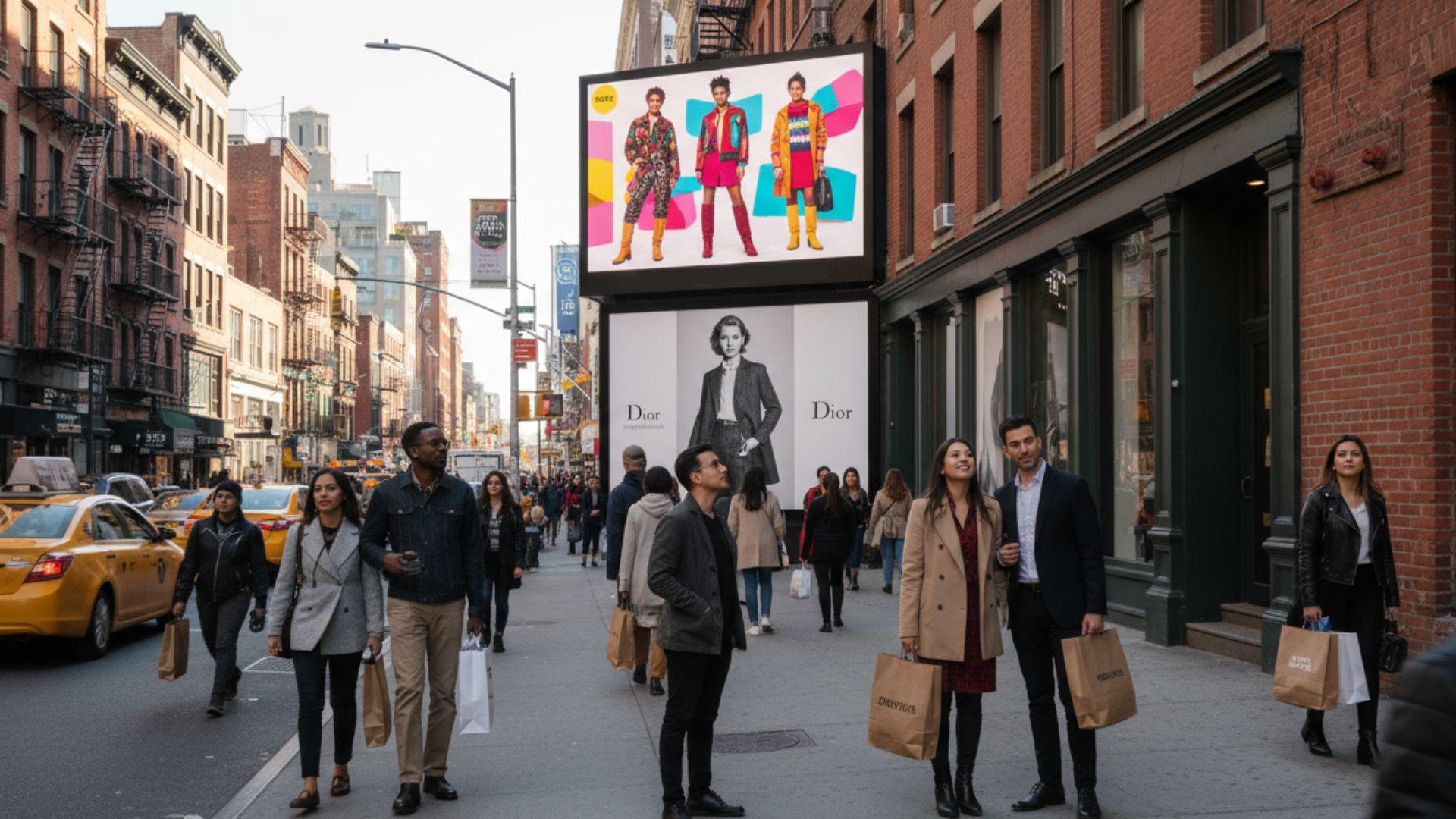
When an online-only brand places a campaign on a screen in SoHo, it signals “Legitimacy.” It borrows authority from the physical environment. Placing your campaign next to a heritage luxury brand on a major boulevard signals to the industry (and the consumer) that you have “arrived.” You are no longer just a URL, you are a part of the city.
At this point, making a personal connection with consumers can give your brand a head start in fashion marketing, as it points to your unique value proposition and builds authenticity.
For Heritage Giants: The “Orchestration” Play
You already have the name. You don’t need to prove you exist, you need to prove you are relevant. Heritage brands must adapt their style and communications to stay relevant in a changing market, especially as younger consumers like Gen Z seek brands that reflect their values and preferences. Your goal is to surround the consumer so that your brand feels like the theme of the city.
Use DOOH to connect the dots between your runway show, your flagship store windows, and the media buzz. It holds your omnichannel strategy together. When they look down, they see you on Instagram. When they look up, they see you on the street.
How to Look the Part
Fashion DOOH is not standard advertising. If you run a “Buy Now” ad with a discount code during Fashion Week, you will look cheap. You will damage your brand equity. You must respect the aesthetic of the environment.
Here are the rules for Fashion DOOH creative:
Editorial, Not Commercial: Design your screen like a magazine cover or a lookbook spread. The street is an art gallery, not a flyer.
One Idea Per Execution: Don’t try to say everything. Say one thing perfectly. If you are pushing handbags, push handbags.
Make it Photographable: The ultimate KPI of a fashion billboard is for someone to take a picture of it. Design with that user behavior in mind. High contrast, bold colors, and massive faces work best.
Emphasize Creativity and Inspiration: Prioritize creativity in your visual storytelling and design. Draw inspiration from leading industry sources and events like Fashion Week to shape your brand presence and narrative.
Videos can also be used to enhance the impact of DOOH campaigns, increasing engagement and brand visibility, especially when shared on platforms like YouTube and TikTok.
Escaping the “Private Feed” Trap
When you project your campaign on a screen in a crowded city, you aren’t just buying an impression; you are creating a public fact. You are signaling to the consumer: “We are targeting the culture.”
That psychological shift from “private suggestion” to “public statement” is what separates a direct-to-consumer brand from a luxury house.
Fashion Weeks are the spark. But DOOH is the only channel that guarantees your brand is seen as a collective reality, not just a digital targeted ad. The power of DOOH lies in its ability to create a defining moment for brands, capturing attention and driving visibility that leads to lasting success in fashion marketing.