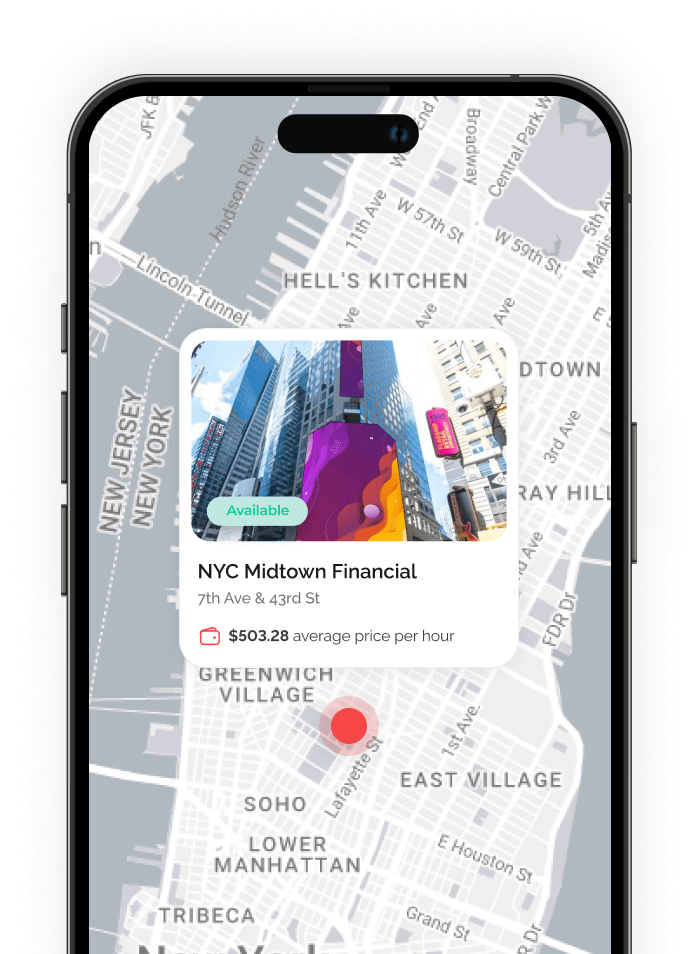
DOOH Campaign Planning: How Far Ahead You Really Need to Book Screens
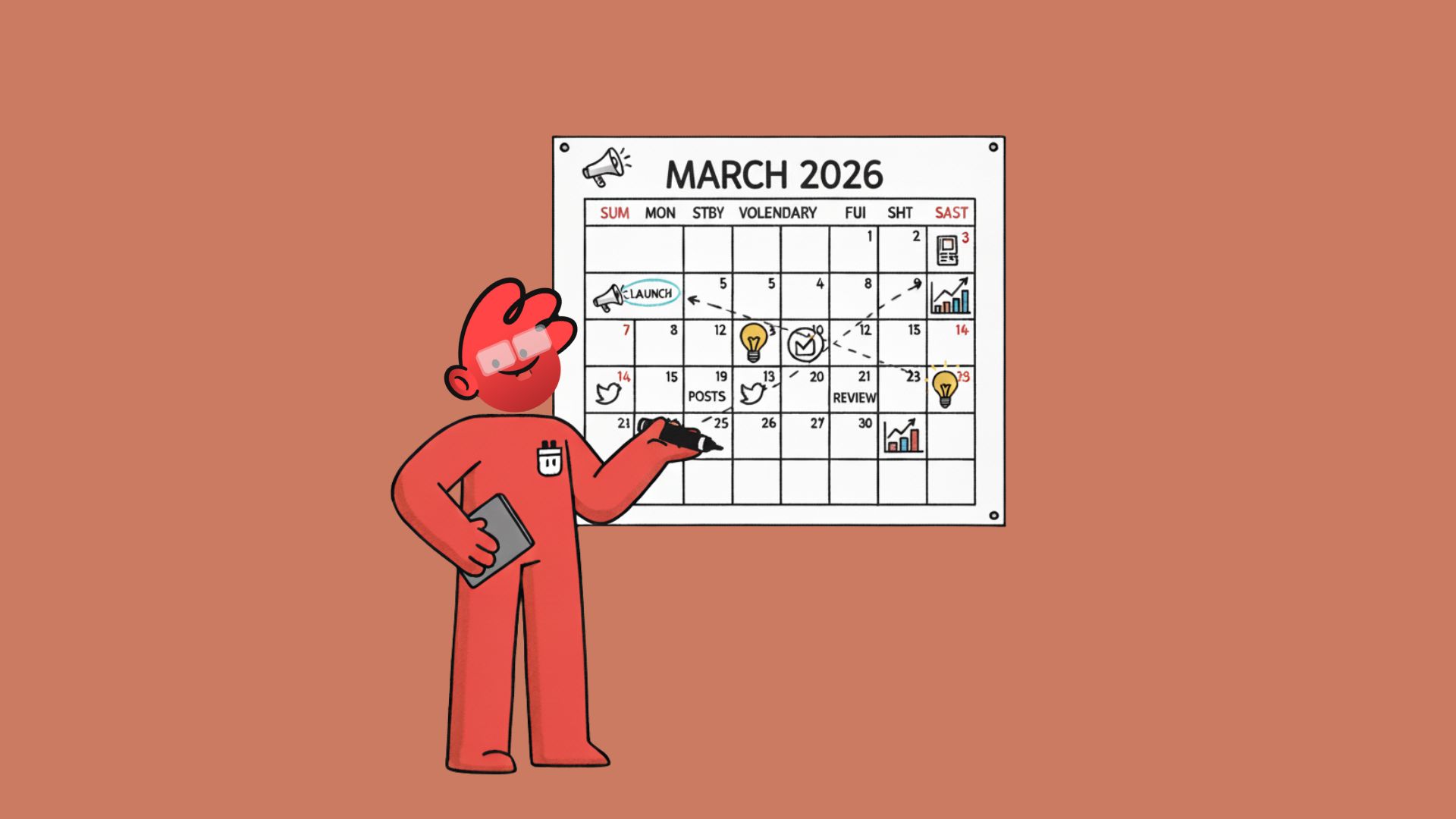
Most marketing teams underestimate how early they need to plan out-of-home (OOH) campaigns.
Online, you can spin up a new ad set and publish it in an afternoon. Digital Out-of-Home (DOOH) doesn’t work like that. For the big moments in your calendar like Super Bowl week; Black Friday; Christmas; major concerts; festivals; marathons, the screens you actually want are a lot more like hotel rooms than impressions: the best ones get booked early.
That doesn’t mean you need to lock every DOOH placement four months in advance. But it does mean you should stop thinking in weeks and start thinking in tiers.
In this guide, we’ll break down:
- How far in advance to plan DOOH for big moments
- How the type of event changes your timeline
- How creative, production and measurement affect when you need to start
- And how to use programmatic DOOH when you’re late to the party
Why Timing Matters in Digital Out-of-Home (DOOH)
Timing matters in DOOH because the best screens are scarce.
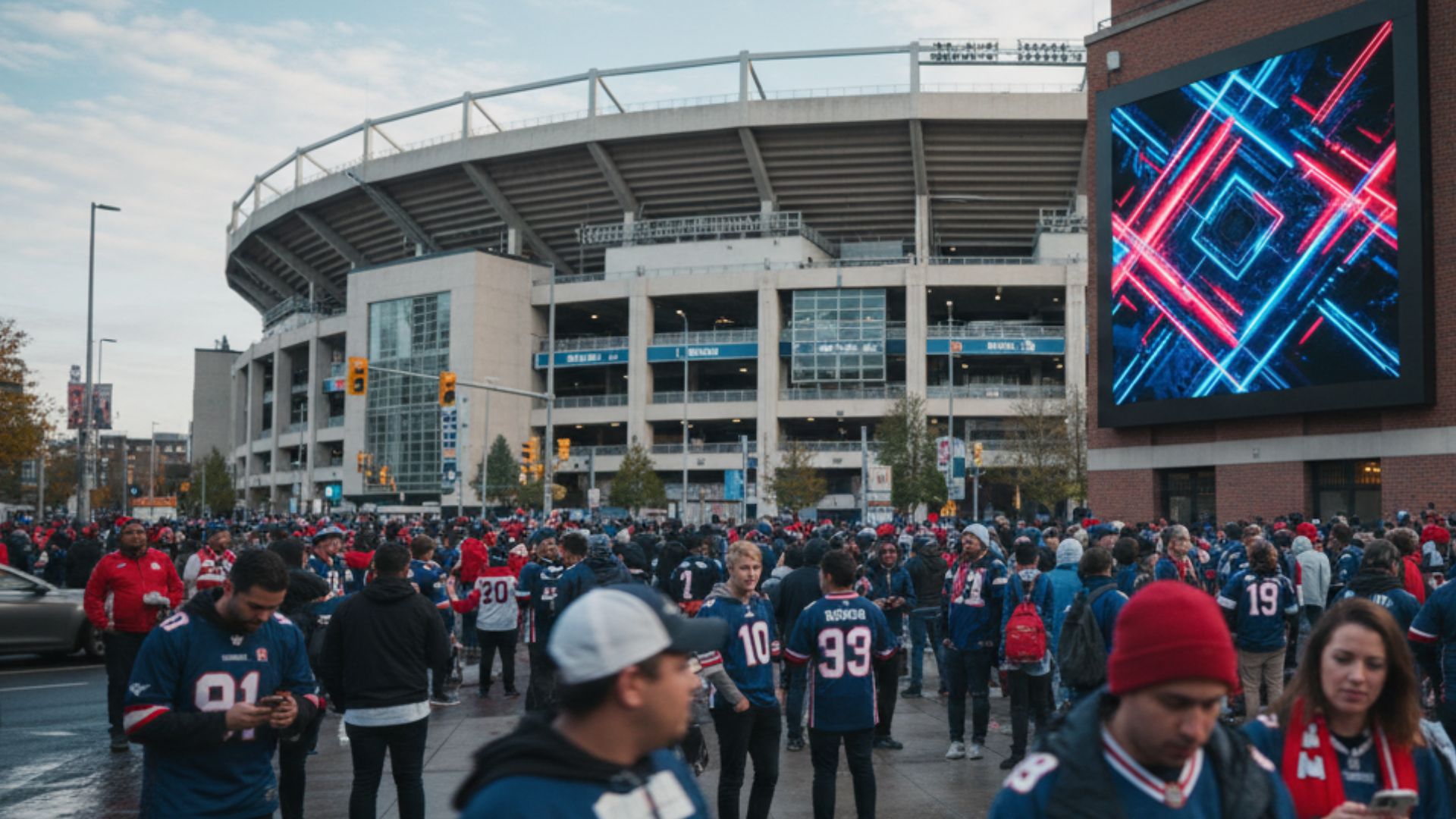
Think about it like a highly anticipated opera: the best seats are the first ones to go. A high-impact digital spectacular across from a stadium, a big atrium screen in a flagship mall, or an entrance screen at a major train station are not commodities.
There might be only a handful of truly premium placements around a big event, and multiple brands competing for them. When you’re late, you’re not just paying more, you’re often choosing from what’s left.
Unlike search or social, where you can always buy more impressions, DOOH is constrained by physical space and time, that’s why the timing of your planning is often the difference between “we owned the moment” and “we had a screen somewhere…”.
What Classifies as a “Big Moment” for DOOH?
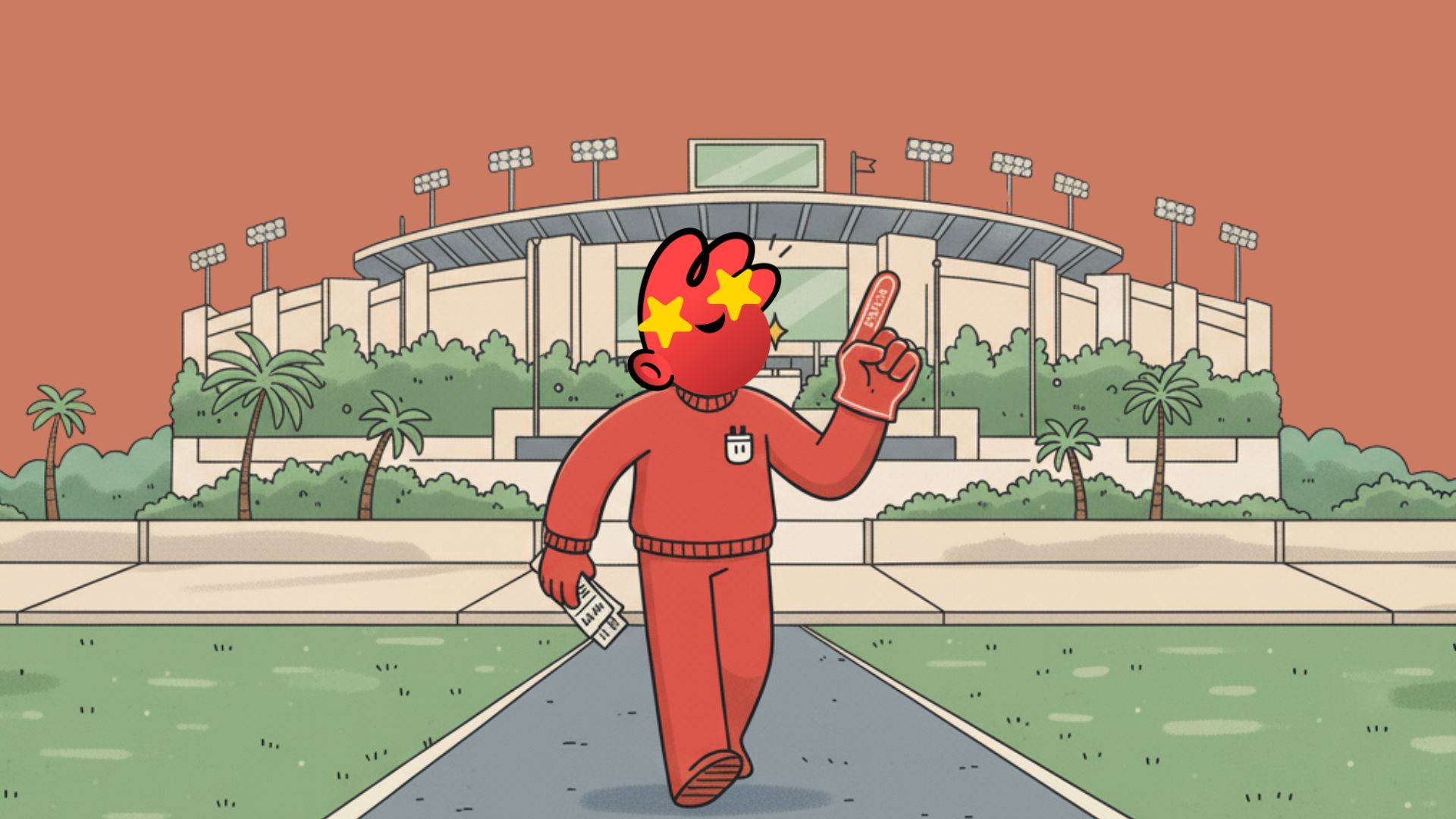
When we say “big moments,” we’re not just talking about Easter or Christmas.
Big moments are any points in the year when attention and footfall spike in predictable ways. Some are global: the World Cup matches, Black Friday, Christmas, major elections. Others are national or city-level: marathons, film festivals, music festivals, big concerts, trade shows, or a team’s playoff run. And then there are brand-owned moments such as store openings, product launches, fundraising rounds, rebrands.
What these all have in common is a shared pattern: more people in fewer places, at specific times.
DOOH works best when it rides those patterns instead of fighting them. Your job is to decide which of these moments really matter for your brand, and how early you need to move to show up properly.
The Essential Three-Tier DOOH Planning Framework
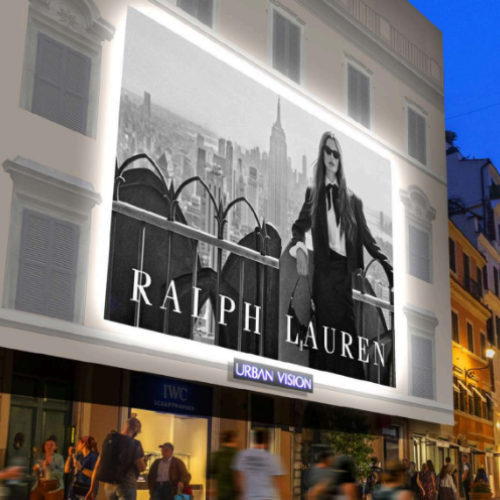
Tier 1: Plan 3-4 Months Ahead
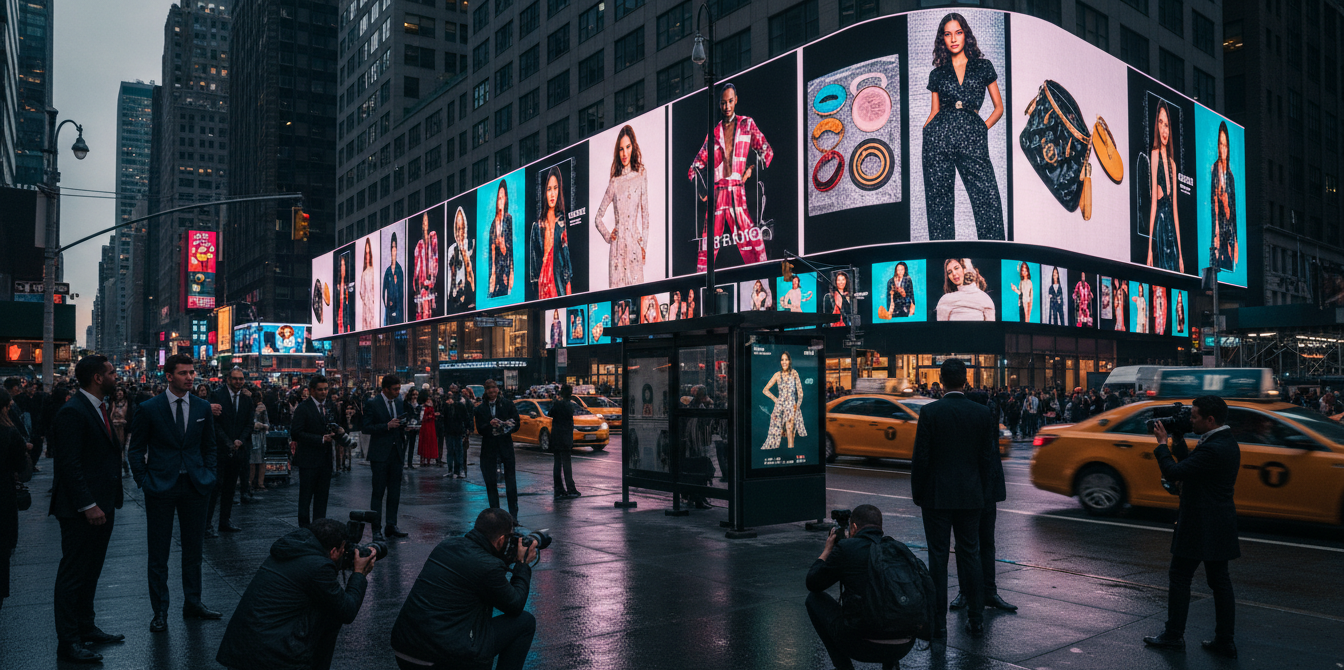
For major events, prime DOOH inventory often starts getting booked 3–4 months in advance. These are the weeks when big brands lock in city-centre spectaculars, stadium corridors, airport arrivals, and flagship mall inventory as part of their annual plans.
If a placement is obvious to you, it’s also obvious to every other media planner.
Treat these events more like TV buys: planned by season, not by week. Use the seasonal window to secure a small number of hero placements that you build the rest of your plan around.
Tier 2: Plan 6-8 weeks ahead
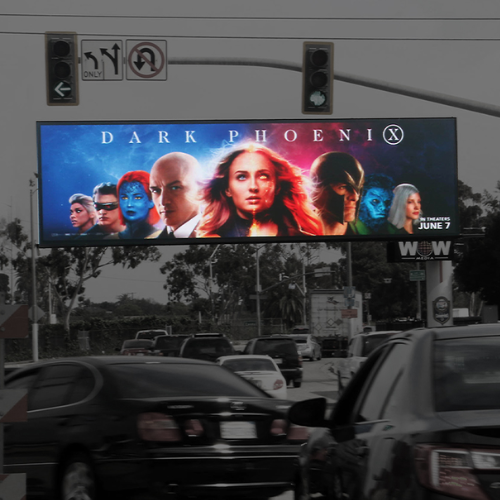
If you’re 6–8 weeks out, you’re still in a good window, but now you’re choosing from what’s left. This is typically where brands lock solid coverage around Tier-2 events: local festivals, industry conferences, trade shows, big club games.
You might not get the single most iconic screen in the city, but you can still build a high-impact presence across roads, transit, secondary plazas and in-venue networks. At this stage, you’re optimising rather than anchoring. You know dates, venues and likely audiences, so you can map hotel zones to venues, airports to convention centres and central squares to fan zones, then stitch together a network of screens that follows people through their entire journey.
Tier 3: Plan in 30 Days or Less
If you only have 30 days, you’re almost running a marathon.
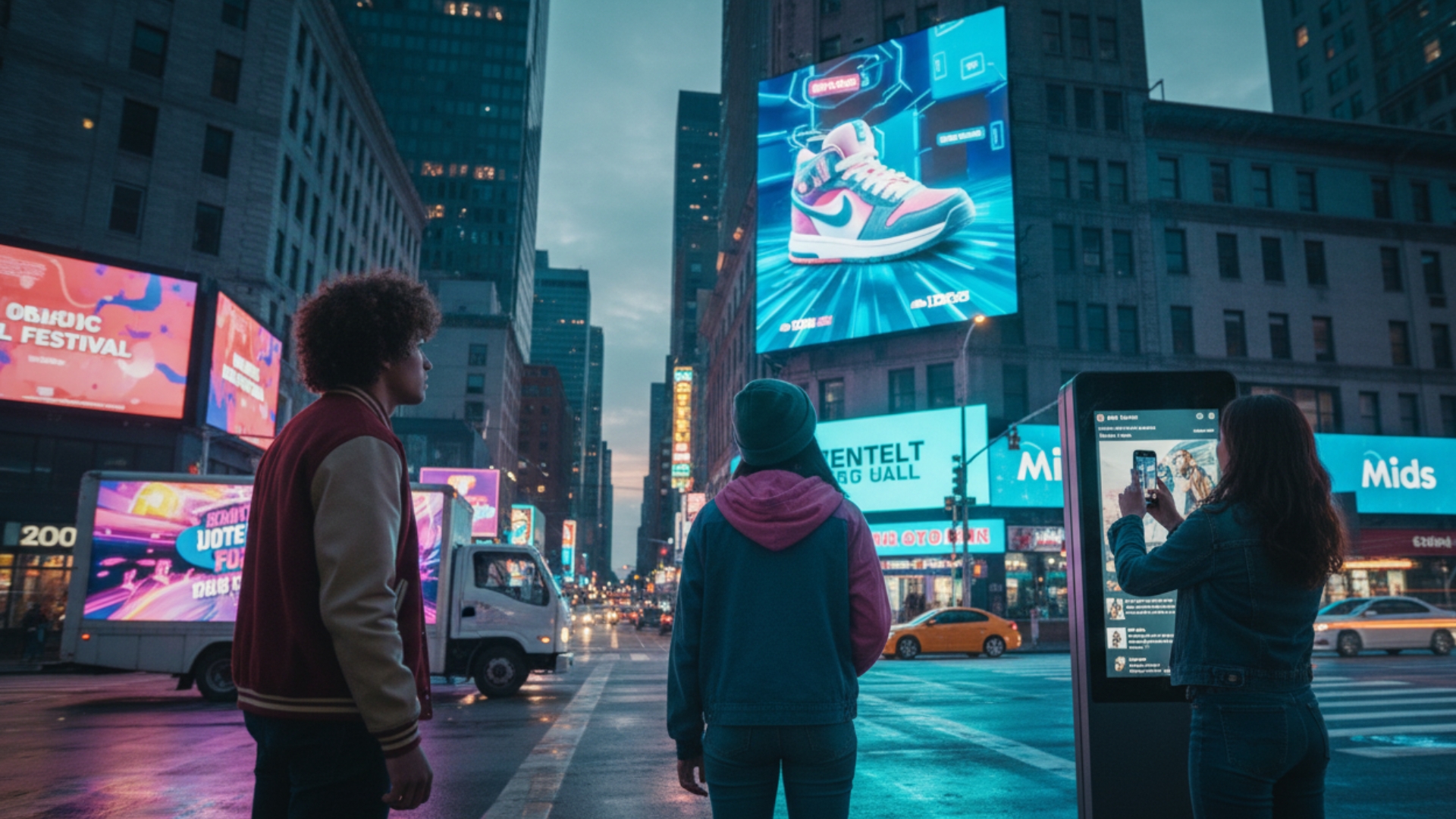
Classic OOH gets harder, but programmatic DOOH comes into its own. You can create campaigns in days, buy just the hours and places that matter, and use data to manage spend in real time. The trade-off is less control over specific units and more emphasis on how cleverly you use the inventory that’s still open.
This is the right tier for reactive work: responding to a viral moment, or adding DOOH on top of channels that are already performing well.
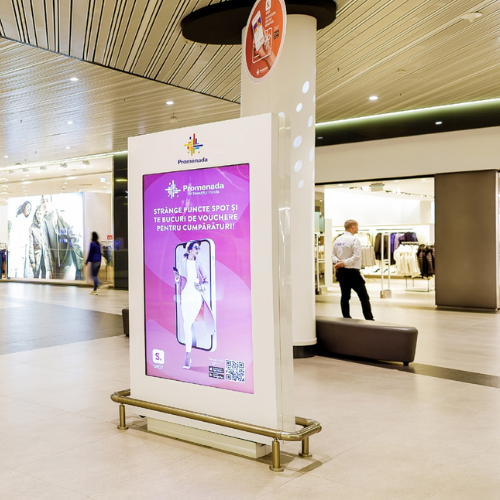
This Craiova mall urban panel is a smart Tier-3 play when you’re inside 30 days and need flexible, high-intent shopper reach.
How Event Type Changes Your DOOH Timeline
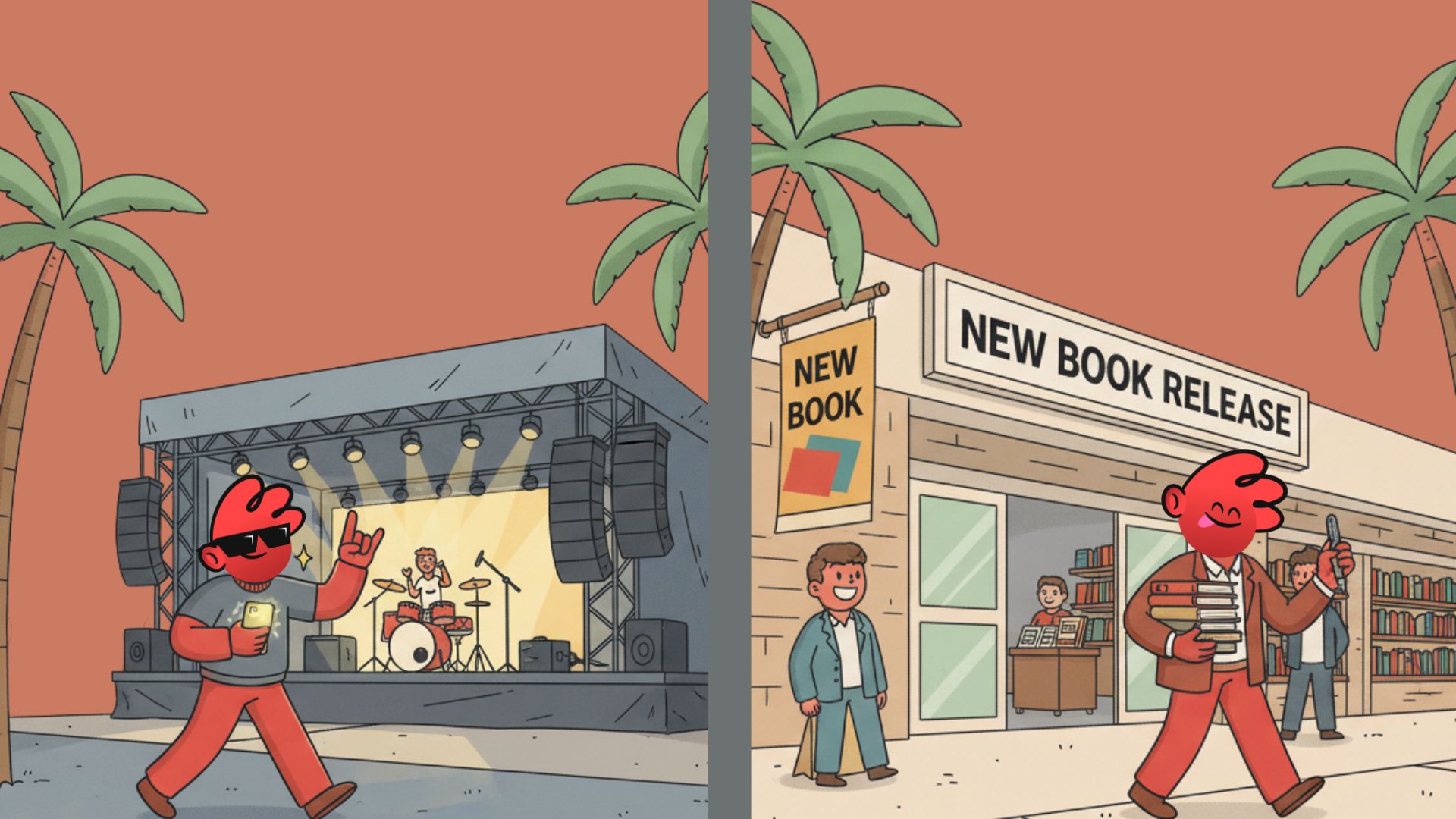
Not every moment demands the same level of lead time. A World Cup quarter-final is nothing like a pop-up product drop, and a city marathon behaves very differently from a corporate conference. Your planning window shifts depending on two things: predictability and pressure on inventory.
Predictable, High-Demand Events
These moments appear on every marketer’s calendar, which means DOOH inventory becomes competitive months before the date. Screens near shopping districts, financial centres, major transport hubs, and key retail corridors are claimed early as part of annual negotiations.
Predictable, Localised Events
You know the dates and locations, but demand varies by city, industry, and economy. The footprint is smaller, but the audience intent is higher. If the event packs hotels and public transit, expect pressure on screens.
Semi-predictable Events
These are the ones you can’t pre-plan with certainty, but you can prepare for strategically. Have creative routes, budgets, and geographic clusters pre-mapped so you can activate as soon as the moment hits.
Brand-created moments
These are the most controllable events, but brands often plan them too late. The best DOOH placements reinforce your owned moments where they matter: outside the store, near competitor locations, along commuter routes, in neighbourhoods with high affinity.
The rule: the more predictable the audience spike, the earlier the competition begins.
How Creative and Production Affect DOOH Lead Time
Even if you secure the perfect screen, you can still miss the moment if your creative and production timelines are too tight.
Static vs. Motion
Static assets can be produced quickly. Motion, on the other hand, often requires animation, approvals, multiple ratios and premium placements usually insist on broadcast-quality output.
If you want motion-led creative, add at least 1-2 extra weeks.
Contextual & Dynamic Creative
Weather triggers, day parting, team-specific messaging, live scores, …These create impact, but they also need integration, testing, and alignment across media owners.
Plan 2-4 weeks for setup and approvals.
Multi-Market Adaptations
If you’re running across regions or formats, assume a slower design and QA pipeline. Dynamic screens, street furniture, transit networks, and malls all have different specs.
Leave room for localisation, especially if approval cycles slow you down.
High-impact Takeovers
Full-motion spectaculars, station dominations, or mall atrium wraps often require layout routing and technical render tests.
These can require 3-6 weeks of production on top of booking.
Creative sprints are possible, but only if your formats and message are simple. The more ambitious you are, the earlier your production team needs visibility.
Measurement & Planning Backwards
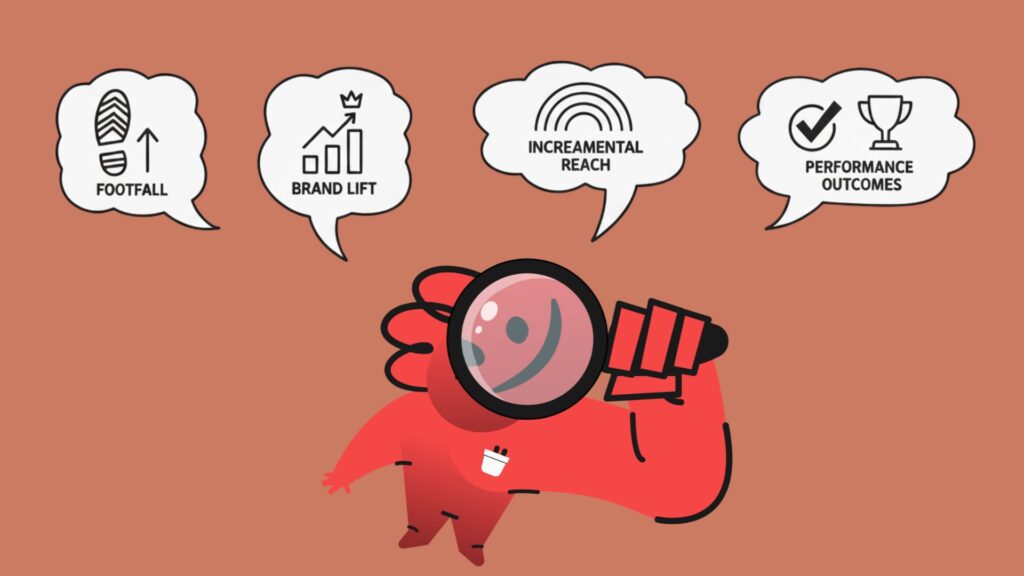
The most reliable way to hit your moment is to plan backwards from the metrics you need. Instead of asking “When should we buy?” ask:
“What do we need to measure, and what must be in place for that measurement to work?”
Your timeline changes depending on whether you care about:
- Footfall
- Brand lift
- Incremental reach
- Performance outcomes
Brand lift studies often require 2–3 weeks of setup. Mobility-based attribution needs inventory selection locked early so analysts can model audience patterns. Even simple exposure reporting benefits from earlier planning to allow cleaner data integrations.
The takeaway: measurement isn’t something you add at the end. It determines when you begin.
Putting It All Together (And What to Do Next)
The easiest way to put this into practice is to look at the next 3–6 months of your marketing calendar. Circle the big moments that really matter and decide which ones are Tier 1, Tier 2 or Tier 3 for your brand.
From there, you can work backwards into timelines: which DOOH screens you need to book now, what creative has to be in motion, and where programmatic DOOH can give you agility closer to the date.
If you’d like help matching timelines and locations to the moments that matter most, book a meeting with our team.